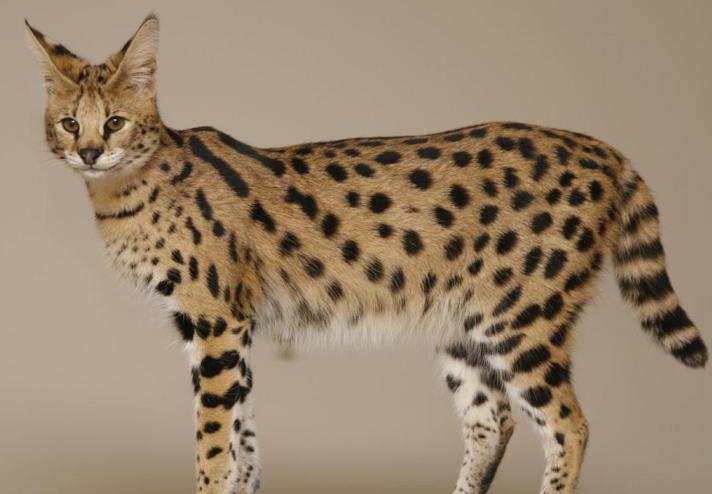
Understanding the Feline Muscular System: A Comprehensive Guide
A cat's muscular system is built for precision. Quiet stalking, a sudden pounce, a fast turn, and a clean leap to the windowsill all come from the same finely tuned machinery, and it is worth understanding because the first signs of trouble are usually small. People often start paying attention after a change: a once-springy jumper hesitates, a confident climber misjudges a landing, or an older cat seems to melt through the shoulders and hips. Sometimes that is just age and fitness. Sometimes it is pain, illness, or a nutritional gap, and knowing how the system is put together makes it easier to tell which.
How the feline muscular system is built
A cat is wrapped in a dense, coordinated web of skeletal muscle that drives movement, stabilises joints, and steadies the spine in mid-air. Different sources count the exact number slightly differently, but it is commonly placed at just over 500 muscles in the domestic cat.1 These muscles never act alone. They work with the skeleton, tendons, and ligaments like a living suspension system, firm where force needs to travel and flexible where the body needs to fold, twist, and stretch.
Cats are designed for acceleration rather than endurance. Where a long-distance runner is built to hold a pace, a cat is built to fire once, cleanly, and then recover. At the level of muscle fibres, studies in cats show a substantial proportion of fast-twitch, more fatigable fibres in some muscles (reported up to around half), which suits rapid, explosive movement rather than sustained work.2
The main muscle groups and what you see them do
The large muscles of the hips and thighs are the launch muscles. They power jumping, sprinting, and sudden direction changes, and when a cat crouches you are watching them load like springs before they release. Along the spine, the long muscles and the deeper stabilisers through the abdomen act as a bridge, controlling the arc of the body while a cat climbs, runs, or lands so the trunk stays aligned as the limbs move quickly at the edges.
The front limbs do more than take the impact. They reach, hook, brace, and pull, especially during climbing, scratching, and controlled descents. The tail is an extension of the spine with its own set of muscles and many small vertebrae, often around 18 to 23. It contributes to balance and quick adjustments during movement, and it also plays a role in communication.3
Hunting movement, even at home
Domestic cats still move like small ambush predators. The muscular system supports a silent, deliberate approach, rapid acceleration into a short sprint, the explosive force of the pounce and grab, and quick corrections in mid-air and on landing. Even when the prey is a feather toy, the pattern is the same. The difference is the landing surface and the consequences. A slip on tiles or a fall from furniture can strain muscles and joints that would be better cushioned outdoors by bark, earth, and grass.
Muscle disorders and warning signs
Muscle problems in cats range from mild strains to systemic disease. Some sit squarely in the muscle tissue (myopathies). Others look muscular but start in nerves, electrolytes, or metabolism. A veterinary exam matters because the same outward sign, weakness, can have very different causes.4
Signs worth taking seriously include:
- Reluctance to jump up or down, especially if it is new
- Stiffness, a shortened stride, or limping
- Generalised weakness, wobbliness, or a dropped head or neck posture
- Pain when handled, or sudden sensitivity along the back or belly
- Visible muscle loss over the spine, hips, or shoulders
Depending on the pattern, vets may use a combination of physical exam, blood tests (including muscle enzymes), imaging, and sometimes specialised tests such as electromyography or muscle biopsy for certain inflammatory muscle conditions.5 A few conditions you may hear mentioned are hypokalaemic polymyopathy, a muscle weakness linked to low potassium that can cause generalised weakness and neck flexion and is treated with veterinary-guided potassium supplementation.4 There is also steatitis, or yellow fat disease, a diet-linked inflammatory condition associated with diets high in unsaturated fats combined with inadequate vitamin E and antioxidants.4 Rare inherited neuromuscular disorders are also described in cats, and these are typically diagnosed with veterinary testing and managed case by case.6
Nutrition and muscle health
Muscle is maintained, repaired, and remodelled constantly, so the foundation is a complete and balanced diet that matches the cat's life stage and health needs. Cats rely heavily on dietary protein to hold lean tissue, and in older cats maintaining muscle becomes harder, so protein needs may rise, particularly if appetite or digestibility drops with age.7
Taurine is not negotiable. It is an essential amino acid for cats, they cannot make enough on their own, and they must get it from their diet. Long-term deficiency has been linked with serious consequences, including retinal degeneration and dilated cardiomyopathy, and may also be associated with poor growth and muscle loss.8 Commercial foods labelled as complete and balanced are formulated to meet essential nutrient requirements. Problems are more likely with unbalanced home-prepared diets, vegetarian or vegan feeding, or long-term feeding of diets not intended for cats, such as dog food. If you want to feed home-prepared food, involve a veterinary nutritionist so the recipe matches feline requirements, including taurine.8
Exercise and muscle development
Cat muscle stays healthiest when it is used the way it evolved to work, in frequent, short sessions of stalking, chasing, climbing, and jumping rather than one long workout. A few simple habits keep it in good shape:
- Short play sessions of 2 to 5 minutes a few times a day, using wand toys or chase toys that encourage pouncing and turning
- Vertical movement with stable cat trees, shelves, or window perches, with safe access steps for older cats
- Food puzzles to add gentle movement and slow feeding
- Variety, by rotating toys so movement stays spontaneous rather than repetitive
If your cat avoids a movement it used to do easily, especially jumping down, assume discomfort until proven otherwise and book a vet check.
When muscle quietly thins with age
Ageing often brings a gradual loss of lean body mass (sarcopenia). In senior cats this can be substantial over time, and it does not always match what the scales say, since some cats lose muscle while keeping or even gaining fat.7 Two home observations help. Feel, do not just look: run your hands over the shoulders, along the spine, and over the hips, because a sharper outline can mean muscle loss. Watch the one-step decision as well, since senior cats often hesitate before jumping or climbing, and that pause can be weakness, stiffness, pain, or simply caution. Regular veterinary check-ups, careful weight management, and a senior-appropriate diet can help slow muscle loss, and some senior cats may benefit from higher-protein, highly digestible diets under veterinary guidance.7
A Few Things Worth Knowing
- The current Guinness World Records title for the longest jump by a cat is 2.58 metres, achieved on 26 February 2025 by Oscar in Dallas, Texas.9
- With roughly 18 to 23 vertebrae, the tail accounts for a noticeable share of a cat's bones, and its muscles add fine control to balance and communication.3
The Bottom Line
A cat's muscular system is tuned for precision: quick power, silent control, and the ability to fold and spring without wasted motion. When it is well supported by good nutrition, regular play, and a healthy body condition, it shows up as confidence, in clean landings, smooth turns, and steady balance. When it changes, the clues are usually small at first: a shorter jump, a longer pause, a shoulder that feels sharper under the hand. Notice early, act gently, and bring your vet in when the pattern does not fit your cat's normal.
References
- Catster, How Many Muscles Does a Cat Have? (includes commonly cited muscle count)
- PubMed, Physiological characteristics of skeletal muscles of dogs and cats (fast-twitch fatigable fibres reported in cats)
- VCA Animal Hospitals, Anatomy of the cat (tail vertebrae range and anatomy overview)
- Merck Veterinary Manual (Cat Owner Version), Muscle disorders in cats
- Merck Veterinary Manual (Professional Version), Masticatory myositis in dogs and cats (diagnosis and testing approaches)
- Merck Veterinary Manual (Professional Version), Neuromuscular disorders in animals (includes feline examples)
- AAHA, 2023 Senior Care Guidelines for Dogs and Cats: Nutrition (lean mass loss and senior protein considerations)
- Purina Institute, Why taurine is essential for cats (functions and dietary requirement)
- Guinness World Records, Longest jump by a cat (2.58 m, 26 February 2025)

Dog lover and writer at My Pets Australia, sharing practical breed guides and care advice for Australian pet owners.