Understanding Pet Body Language: A Guide for Australian Pet Owners
Pets talk constantly, just not with words. A dog going stiff at the park, a cat swatting during a pat, a bird sitting fluffed for hours, or a rabbit hunched and still are all messages, and the useful ones are usually quiet. Read early and you can give your pet space before a moment tips into a bite, a scratch, or a health scare. The trick is to read the whole scene rather than one signal: tail, ears, eyes, posture, and movement all add up. Notice the first small changes, respect them, and know when it is time to call your vet.
How to read body language quickly
Start with the environment, then scan the body from head to tail. A single cue can mislead you, but clusters are usually clear.
- Context first: noise, visitors, handling, other animals, food, pain, heat, confinement.
- Loose versus tight: relaxed muscles and smooth movement, or stiff posture and held breath.
- Watch for escalation: subtle stress signals often appear before growling, hissing, lunging, or fleeing.
Dog signals and what they tend to mean
Tail wagging is arousal, not a promise of friendliness
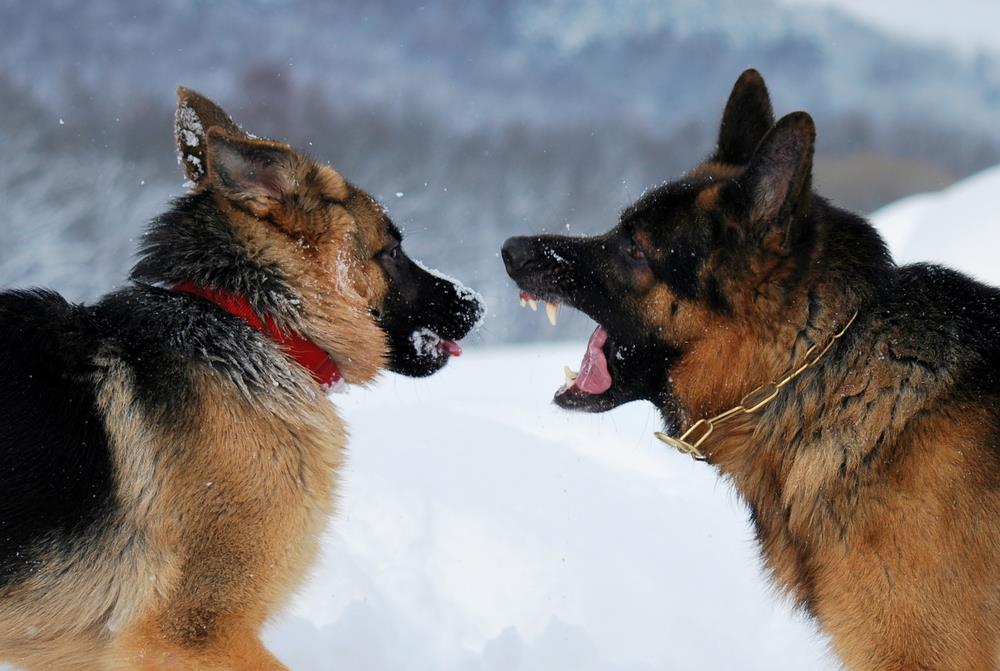
A wagging tail can mean a dog is happy, but it can also mean they are tense and ready to react. Tail height, speed, and the rest of the body make the difference. A tucked or low tail often sits with fear or uncertainty, while a high, still or vibrating tail can come with tension and assertiveness. Read the whole dog, not the tail on its own.1, 2
Ears and eyes are the weather vane of attention
Ears forward commonly show alert interest, while ears held back tightly can signal fear or discomfort. In the eyes, a hard stare, wide eyes, or showing the whites (known as whale eye) often appears when a dog is worried and wants the situation to stop.1
Posture: loose curves versus stiff lines
A relaxed dog moves with a soft, wiggly quality, weight shifting easily, body curved rather than squared. A dog that goes stiff, leans forward, freezes, or holds their body tall and tense is telling you the stakes feel higher to them. Give space and reduce pressure: step back, turn side on, and stop reaching.2, 3
Cat signals and what they tend to mean
Tail position and movement
A tail held upright is often seen in friendly greetings and confidence. A tail that lashes or swishes sharply is more often a stop sign, meaning overstimulation, irritation, or conflicted arousal. A puffed tail usually appears with fear and defensiveness, especially if the back is arched.4, 5
Ears, eyes, and the slow blink
Forward ears usually accompany curiosity or calm interest, while ears flattened back are a clearer warning that your cat is frightened or defensive. Slow blinking is widely described as a trust signal, an easy way to greet without crowding. Pupil size can change with mood, but it also changes with light, so treat it as a clue rather than a verdict.4, 6
Belly up does not always mean pat me
A relaxed cat may sprawl on their side or show their belly, but many cats still do not enjoy belly rubs. If the tail starts lashing, the skin ripples, the ears rotate back, or the body tenses, pause the contact and let them reset.7
Bird signals and what to watch closely
Feather fluffing: comfort, cold, or unwell
Brief fluffing can be part of settling and preening. But a bird that stays fluffed for long periods, sits quietly, or seems less responsive may be cold, stressed, or unwell. With birds the subtle changes matter, so when in doubt, speak with an avian vet.8
Beak and head movement
Gentle beak tapping and head movement can be exploratory behaviour. Beak grinding is commonly described as a relaxed, settling behaviour in many parrots, often heard when they are winding down to rest, though context still matters.8
Wings held away or drooping
Wings held slightly away from the body can be a simple cooling posture. Drooping wings combined with lethargy, fluffing, or reduced appetite is more concerning and warrants a veterinary check.8
Rabbits and other small prey animals
Relaxed signals versus please do not approach
Rabbits show comfort in their posture: lying stretched out, legs relaxed, or a sudden joyful jump and twist known as a binky. A worried rabbit may crouch low with tense muscles and ears flattened back, or simply hide. These are prey animal strategies, stillness and avoidance rather than obvious protest.9
Hunched posture: stress, pain, or illness
A rabbit that sits hunched and tense, especially if they are also quiet, hiding, or off their food, should be taken seriously. Pain and gut problems can escalate quickly in rabbits, so contact your vet promptly if this is new or persistent.9
How to respond in the moment
When you see stress or discomfort
- Stop the interaction: pause petting, stop leaning over them, stop trying to pick them up.
- Give distance: step back, turn side on, soften your gaze.
- Reduce triggers: lower noise, move children away, separate animals, offer a quiet room.
- Let them choose: allow your pet to approach again on their own terms.
When you see relaxed, social signals
Follow the invitation, but keep it gentle. For dogs that may be a loose game or a sniffy walk. For cats, brief pats around the cheeks and chin often go down better than long body rubs. For birds and small mammals, calm routine and predictable handling usually earn trust over time.1, 5
When to get professional help
Book a vet visit, and consider a qualified behaviour professional, if you notice any of the following:
- Sudden behaviour change without an obvious trigger
- Repeated aggression, guarding, or bites and scratches with no warning
- Persistent hiding, hunched posture, or refusal to eat
- In birds: prolonged fluffing, sitting low, reduced appetite, or marked quietness
Why body language shifts at home
Most pets read the home like a landscape of sound, scent, movement, and predictability. Changes in routine, renovations, visitors, new animals, or even a shifted feeding schedule can show up first as small body language changes: less play, more scanning, hiding, clinginess, pacing, or sharper reactivity.
Steady routines, safe retreat spaces, and control over social contact (especially for cats and small mammals) reduce background stress and make your pet's signals easier to read.5, 9
References
- RSPCA Pet Insurance Australia, How to interpret body language in dogs
- RSPCA WA, How to speak dog
- FOUR PAWS Australia, How dogs communicate
- FOUR PAWS, How cats communicate
- RSPCA Pet Insurance Australia, Understanding cat tail language
- The International Cat Association (TICA), Understanding your cat's language
- SPCA of Northern Nevada, Cat communication
- Merck Veterinary Manual, Bird owners (health and behaviour information)
- RSPCA Knowledgebase, What does my rabbit's body language mean?

Dog lover and writer at My Pets Australia, sharing practical breed guides and care advice for Australian pet owners.