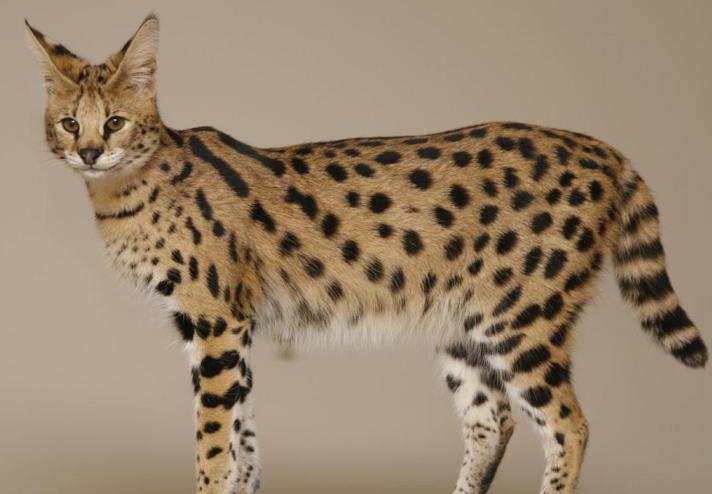
Understanding Feline Instincts: A Comprehensive Guide
A cat asleep on the couch is still running ancient software. The stalking, the scratching, the midnight yowling and the backyard hunting are not random quirks; they are practical survival patterns built for a small, solitary predator, now playing out on carpet and in hallways. People tend to look up feline instincts when a behaviour suddenly feels odd at home, and the consequences can be real, from stress and conflict indoors to injuries from roaming and heavy pressure on native wildlife. The good news is that these patterns are readable once you know what you are looking at. Understanding them makes it far easier to meet a cat's needs without tolerating chaos.
Why domestic cats still act wild
Domestic cats (Felis catus) descend from wildcats and were shaped by life as small, solitary hunters. Domestication changed their tolerance of humans much more than it changed their basic hunting toolkit, so many so-called problem behaviours are really survival behaviours redirected indoors.6
Instincts matter because cats do not need to be taught them. A young cat practises stalking, chasing and pouncing in play, and an adult still feels the pull of movement, scent trails and the need for safe vantage points, even when dinner arrives in a bowl.
Hunting and predatory behaviour
Hunting arrives in fragments: a frozen stare, a slow creep, a sudden burst, then a bite or a bunny-kick. Toys, dangling string, feet under a doona or a sunbeam moving across the floor, anything that mimics prey can trigger the sequence. This is why short, frequent play sessions often settle a cat better than simply giving it more space. Predatory play gives the brain a job and the body an outlet.
In Australia the stakes go beyond the loungeroom. Cats, especially those living and breeding in the wild, kill enormous numbers of native animals each year, and predation by cats is recognised as a major threat to many threatened species.1 For owned cats, roaming adds risk in both directions. It increases hunting opportunities, and it puts the cat in the path of cars, dogs, snakes, fights and disease.2
You can reduce hunting without dulling the cat:
- Containment: keep cats indoors, or provide a secure run or catio so they get fresh air without access to wildlife.2
- Predatory play: wand toys, chase games and toys that move unpredictably, then let the cat catch something at the end.
- Feed in a way that mimics work: scatter feeding or puzzle feeders can take the edge off the hunt-drive.
Territory and marking
Territory is not just a house; it is a map of safe routes, resting ledges, scent marks and escape options. When that map is disrupted by new furniture, visitors, another pet or building work, cats often respond with hiding, vigilance, scratching or toileting problems. To make a place feel familiar and predictable, cats mark it with facial rubbing from the scent glands around the face, with scratching (both visual and scent marking), and in some cases with urine spraying.7 These are normal tools, not defiance.
In homes with more than one cat, sharing works best when it is optional. Provide resources in multiple locations so no cat can guard the essentials:
- More than one resting area, including high perches.
- Multiple litter trays, placed apart.
- Separate feeding and water stations if any cat is pushy.
- More than one scratching post, near sleep areas and along common pathways.
Social life and communication
Cats can live socially, but they do not form pack structures like dogs. In a home their relationships often look like overlapping territories: some cats share space easily, while others prefer time-sharing, distance or parallel living. Most of their communication is quiet and physical, carried in posture, tail carriage, ear position, a slow blink or a pause in movement. Vocalising tends to be more common in cat to human communication than cat to cat, shaped by what works with people.
Read the whole body rather than one signal. A tail held upright can be friendly, but stiff legs and a hard stare suggest a cat that is alert and ready to bolt. Cats can also form genuine bonds with their people. Research using an adapted secure base style test has found that cat behaviour changes during separation and reunion in ways consistent with attachment-related patterns, though individual cats vary widely and context matters.10
Grooming, litter and hygiene
Grooming does more than keep a cat tidy. It maintains the coat, spreads natural oils, removes debris and loose fur, and helps with temperature regulation, and it can work as a calming routine when the environment feels uncertain. When grooming becomes intense or leaves patchy fur, it may signal stress, fleas, pain or skin disease, which is worth a vet check.
Litter behaviour follows the same instinctive logic. Most cats prefer to toilet in a quiet, accessible spot and then bury the waste, which in the wild reduces odour cues and unwanted attention. At home, a dirty tray or one placed near noise and foot traffic can be enough to send a cat searching for better ground.
Reproductive instincts and desexing
Puberty can reshape a cat's behaviour fast. Calling and yowling, restlessness, urine spraying and roaming, especially in males, are all common once the reproductive drive kicks in. Female cats can become pregnant very young, around four months, and breeding can escalate quickly if nothing interrupts the cycle.3
Australian animal welfare authorities recommend desexing before puberty to prevent unwanted litters and to reduce roaming, fighting and spraying. There are health benefits too, including reduced risk of some reproductive diseases and certain cancers in females, particularly when it is done early.3
Fear and threat responses
A frightened cat usually freezes first, still as a statue, then chooses flight by bolting, hiding or climbing, or, if cornered, defence by hissing, swatting or biting. This is not spite or a bad attitude; it is a nervous system doing what it was built to do. Common triggers around the home include:
- Loud, sudden sounds such as vacuum cleaners, tradies or storms.
- Unfamiliar animals at windows or doors.
- Changes in routine, moving house or renovations.
- Forced handling when the cat is already tense.
Give cats choice: hiding places, high perches and predictable routines. In multi-pet homes, use gradual introductions and barriers such as baby gates or closed doors so a cat can observe without being pushed into close contact.
Living with a cat's instincts
Domestication has not removed these instincts; it has mostly changed where they land. A couch becomes a lookout, a feather toy becomes prey, a hallway becomes a patrol route. The simplest way to keep the peace is to offer acceptable outlets for the urges the cat cannot switch off:
- Scratching posts where the cat already wants to scratch, near sleeping areas and along travel routes.
- Vertical space: cat trees, shelves and window perches.
- Short daily play sessions that end with a catch and a small feed.
- Containment to protect wildlife and reduce injury risk for the cat.2
One detail worth knowing while you set all this up: whiskers are tools, not decoration. These sensitive tactile hairs (vibrissae) help a cat judge space, detect nearby movement and air currents, and navigate confidently in low light, so trimming them can interfere with spatial awareness and leave a cat more hesitant.9
The Bottom Line
A cat's instincts are older than our furniture and our fences. When those instincts have somewhere safe to go, something to stalk, something to climb and somewhere quiet to toilet, behaviour tends to soften into something much easier to live with. Watch closely, adjust the environment, and let the cat do what cats do in ways that keep your home, your cat and local wildlife intact.
References
- Australian Government Department of Climate Change, Energy, the Environment and Water (DCCEEW), Feral cats
- RSPCA Pet Insurance Australia, Why you should keep your cat indoors
- Agriculture Victoria (Animal Welfare Victoria), Early age desexing
- NSW Government, Keeping cats home and wildlife safe (media release)
- Eurobodalla Shire Council (NSW), Keeping your cat safe at home
- Australian Museum, Cat (Felis catus)
- International Cat Care, Scratching (cat behaviour advice)
- International Cat Care, Cat spraying (urine marking) advice
- PetMD, Facts about cat whiskers
- PubMed, Impact of Living Environment on Attachment Behaviour in Domestic Cats from Private Homes and Shelters

Dog lover and writer at My Pets Australia, sharing practical breed guides and care advice for Australian pet owners.