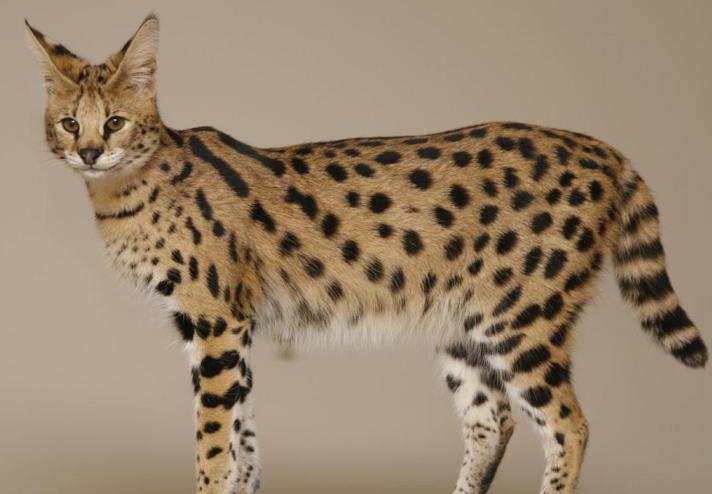
Understanding Cat Biting Behaviour: Causes and Solutions
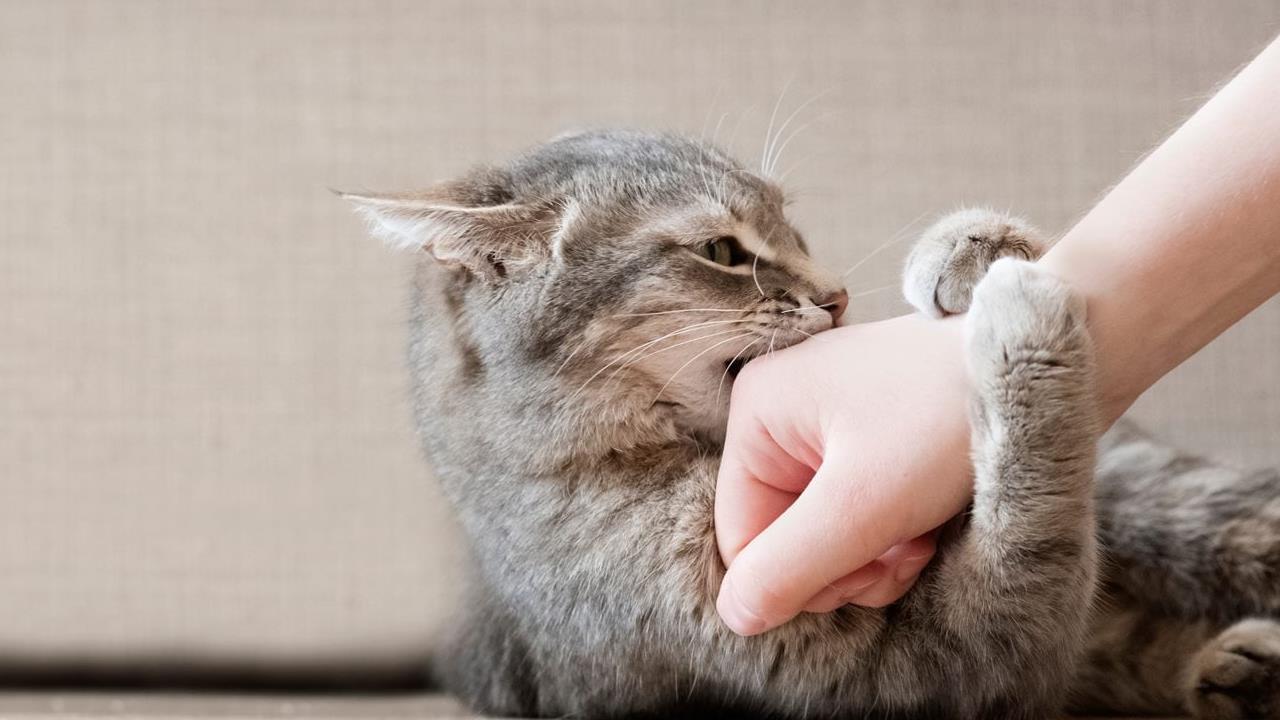
A cat bite after a friendly pat is one of the most common things owners search for, and it is usually more logical than it feels in the moment. The bite is rarely out of nowhere. In the cat's world there is almost always a build-up of signals, a threshold being crossed, or discomfort sitting underneath. Once you know when the bites tend to happen, during play, handling, a surprise, a loud noise, or being picked up, and what the body was doing in the seconds before, the whole thing gets far more predictable. Spot the early warnings and you can change the moment, shorten the pat, swap your hand for a toy, or give space, before teeth ever touch skin.1, 2, 3, 4
Why cats bite during patting
The classic scenario is petting-induced aggression, often called overstimulation. Plenty of cats enjoy touch, but only in certain places and only for a short time. When the sensation becomes too intense or goes on too long, the cat can flip quickly from relaxed to reactive, and a bite is the final stop now signal.1, 4
In most cases the bite is preceded by small, easy-to-miss changes: a flicking tail, skin twitching over the back, ears turning back, a sudden stillness, or a quick head turn to track your hand. Learning those signs matters more than guessing at motives.1, 3, 4
Play biting versus defensive biting
Not all bites mean the same thing. A young cat may use its teeth the way it uses its paws, as part of fast, clumsy play practice. A frightened cat bites for distance and safety. The difference is worth reading correctly, because the response is different for each.
Play biting (often in kittens and adolescents)
Play bites usually happen mid-game: stalking, pouncing, grabbing, bunny-kicking. The cat is often silent and focused rather than tense and defensive, and the bite tends to land when the cat is overexcited or when human hands have become the toy.5, 6
Defensive or fear biting
Defensive bites arrive with obvious discomfort signals: flattened or rotated ears, a stiff body, dilated pupils, growling or hissing, retreating, freezing, or frantic attempts to escape. In this mode the safest choice is to stop approaching and let the cat find space.7
Common triggers that lead to a bite
- Too much touch, too fast, especially full-body strokes, patting near the base of the tail, belly handling, or being held when the cat has not asked for it.1, 4
- Rough or hands-on play that teaches the cat that skin is an acceptable target.5
- Startle and spill-over stress: sudden noises, visitors, another pet, or a chaotic household can lower a cat's tolerance so the bite comes sooner.2
- Pain or illness, where touch that used to be fine becomes unpleasant, for example dental pain, arthritis, or skin irritation. A sudden behaviour change deserves a veterinary check first.4, 8
Developmental stages: why kittens bite so much
Kittens explore with mouth and paws, and they practise hunting sequences in miniature. If they never learn bite inhibition through play with other kittens, or if they are encouraged to wrestle hands, they can grow into a young adult that bites hard during play simply because that is the game they were taught.8, 9
Handled gently and regularly during the socialisation window, many kittens become more comfortable with people and show less human-directed aggression later on.9
How to read the warning signs
The bite is usually the last step, not the first. Cats often give a brief, precise sequence of signals before they escalate, and the early ones can be subtle:
- tail swishing, thumping, or a tight, twitchy tip
- skin rippling over the back
- ears turning sideways or back
- sudden stillness or tensing
- pupils widening
- a fast head turn to watch your hand as you pat
When you see the first hints, stop touching. Let the cat reset before trying again, if it chooses to come back.1, 3, 4
Practical ways to reduce biting
None of these steps involve punishment, which tends to make a nervous cat worse. They work by changing what the cat learns from the interaction.
1) Keep hands out of play
If your cat likes to chase and grab, use a wand toy, a thrown toy, or something it can catch without reaching your skin. Hands should stay boring. This single change prevents many accidental bites from turning into a habit.5, 6
2) End the interaction the instant teeth touch skin
For play biting, make biting predictably unhelpful: stop moving, end the game, and withdraw attention for a short moment. The message is simple, rough play makes the fun disappear. You can restart with a toy once the cat is calm.5, 6
3) Pat in short bursts, then pause
Many cats do best with brief pats to preferred areas, often the head, cheeks, and under the chin, followed by a pause so the cat can choose whether to continue. If you know the bite tends to happen after a minute, finish at 30 seconds and stop while things are still easy.1, 4
4) Reward calm, gentle behaviour
When your cat stays relaxed while being touched, or when it disengages without biting, quietly reinforce that choice with a small treat or a calm voice. Over time you are building a new pattern where gentle behaviour reliably pays.4
5) Reduce stress and increase enrichment
A cat with predictable routines, safe hiding spots, vertical climbing space, scratching options, and regular play tends to cope better and react less sharply. Stress does not always look dramatic. Sometimes it just lowers the cat's fuse.2, 10
When to see a vet or behaviour professional
- Sudden new biting in a cat that was previously tolerant, especially if it is linked to touch, being picked up, or eating.
- Bites that break skin, repeated ambush attacks, or any pattern that feels unsafe around children or visitors.
- Other signs of illness or pain, such as reduced appetite, drooling, hiding more, limping, reluctance to jump, or changes in grooming.
Start with a veterinary check to rule out pain or a medical cause. If needed, ask for a referral to a qualified behaviour practitioner who uses reward-based methods rather than punishment.4, 8
The Bottom Line
A bite is information. It usually means the cat's tolerance has been exceeded, the play has tipped into roughness, or something hurts. Watch the small signals, keep play on toys, and make touch short and predictable. The household gets quieter, the cat stays more settled, and your hands stop being part of the lesson.
References
- San Francisco SPCA, Overstimulation (Cats)
- PetMD, Overstimulated Cat: Signs, Causes and How To Calm Them
- Wisconsin Humane Society, Overstimulation to Petting
- Cornell University College of Veterinary Medicine, Feline Behavior Problems: Aggression
- San Francisco SPCA, Play Aggression (Cats)
- UC Davis School of Veterinary Medicine, Managing Your Kitten's Rough Play
- RSPCA, Understanding Your Cat's Behaviour (Body Language)
- Cat Protection Society of NSW, Factsheet: Feline Aggression
- American Veterinary Society of Animal Behavior (AVSAB), Position Statements (Socialisation and Behaviour)
- AAHA, 2021 AAHA/AAFP Feline Life Stage Guidelines: Behaviour and Environmental Needs

Dog lover and writer at My Pets Australia, sharing practical breed guides and care advice for Australian pet owners.