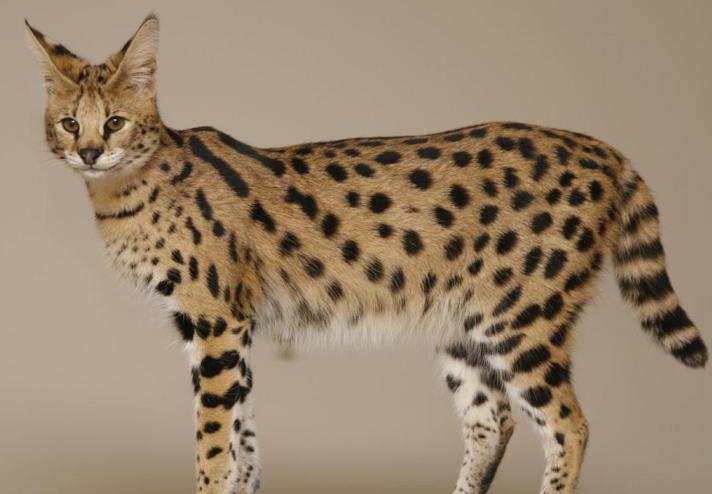
Understanding Cat Anatomy: A Comprehensive Guide
A cat is a small predator built for patience, stealth, and one brief explosive finish. That design explains almost everything an owner notices day to day: the silent stalk, the improbable jump, the way a cat folds itself through a gap that looks far too narrow. Understanding the anatomy behind those behaviours also makes it easier to spot when something is off, because a body built for short bursts of precision shows small changes early. This guide is a plain-language tour through the cat's main body systems, with the details that genuinely help in everyday care. Where a claim is easy to overstate (like "no collarbone" or a dramatic breathing rate), it is tightened to what is accurate and useful.
The cat's body plan at a glance
The domestic cat (Felis catus) is a small carnivorous mammal shaped by a hunting style that rewards waiting over chasing. The basic body plan is shared across breeds: a flexible spine, a mobile shoulder girdle, powerful hindquarters, and senses tuned for low light and fine movement. Everything below is a variation on that single template.
Skeleton: light, flexible, quietly strong
How many bones does a cat have?
An adult cat has roughly 230 bones. The exact number varies with tail length and small extra "floating" bones such as sesamoids, so a slight difference from cat to cat is normal and not a sign of a problem.
Spine and agility
A cat's spine is unusually flexible for a mammal of its size. Combined with strong back muscles, that flexibility supports the familiar spring-loaded gait: the body compresses, then releases, and the cat seems to unfold into the space ahead of it.
The "floating" collarbone
Cats do have clavicles, but they are small and not rigidly joined to the rest of the skeleton the way they are in humans. The shoulder is held in place largely by muscle, which is one reason a cat can slip through a narrow opening once its head fits. There is no liquid magic to it, just a highly mobile shoulder girdle and a compressible ribcage.
Muscles: built for the pounce
A cat's muscles are arranged for acceleration and control rather than long-distance endurance. The hind limbs provide most of the launch power, while the back and core muscles stabilise the spine during climbing, sprinting, and landing.
Retractable claws
Most cats keep their claws retracted at rest and extend them when climbing, gripping, or striking. The action is controlled by muscles and tendons in the toes, with ligaments helping keep the claws sheathed until they are needed. Keeping claws retracted reduces wear and muffles footfall.
Digestion: designed for animal tissue
From mouth to bowel
Food is taken and torn with sharp teeth, moved down the oesophagus, and broken down in the stomach. Most nutrient absorption happens in the small intestine, and the large intestine absorbs water and forms stool.
Obligate carnivore: what that means in practice
Cats are obligate (true) carnivores. They can digest some carbohydrate, but they have nutritional requirements that must be met through animal tissues, particularly specific amino acids and fats. Taurine is the well-known example: it is essential for cats and must be supplied reliably in the diet.1, 2
Digestive issues you will actually see
- Hairballs: often occasional; persistent gagging, vomiting, constipation, or a change in appetite warrants a vet check.
- Vomiting or diarrhoea: can be caused by sudden diet changes, parasites, food intolerance, infections, or underlying disease.
- Constipation: can be linked to dehydration, low activity, pain, or bowel disease.
Breathing and circulation: quiet work, fast response
Breathing rate at rest
A healthy, relaxed cat breathes in a steady rhythm at rest. Normal resting respiratory rates are often cited in the range of 16 to 40 breaths per minute, with many cats sitting around the lower-to-mid part of that range when truly settled.3
Heart and circulation
The cat's four-chambered heart and efficient circulation support fast bursts of activity, short sprints, sudden leaps, quick climbs, then a return to stillness. Because cats are good at masking discomfort, changes in breathing effort, persistent open-mouth breathing, or collapse should be treated as urgent.
Senses: tuned for dusk and detail
Vision
Cats see well in low light, which suits a crepuscular lifestyle of being most active around dawn and dusk. They do not see in total darkness, but their eyes and nervous system are well adapted to dim conditions.
Hearing
Cat hearing extends into higher frequencies than human hearing, which helps them detect the small, high-pitched sounds made by prey.
Whiskers (vibrissae)
Whiskers are specialised tactile hairs embedded deeper than ordinary fur, with a rich nerve supply at the base. They help a cat judge nearby surfaces and openings and detect subtle air movement, which is useful when moving in low light or placing the head precisely near an object.4, 5
The righting reflex
Cats can rotate their bodies during a fall to orient their feet towards the ground. Research suggests the reflex is primarily guided by the vestibular (inner ear) system, and it matures in kittens over the first weeks of life.6
Reproduction and desexing
Basic anatomy
Females (queens) have ovaries and a uterus; males (toms) have testes and associated reproductive structures. Reproductive hormones influence behaviour, roaming, fighting, and spraying, especially in entire males.
Why desexing is also health prevention
Desexing is not only a population measure; it also prevents some serious diseases. Removing the uterus, for example, eliminates the risk of pyometra, a potentially life-threatening uterine infection.7
Common health issues and prevention
Dental disease is common
Dental disease is one of the most common medical conditions seen in cats. Sources commonly note that more than half of cats over three years have some form of dental disease.8
Weight gain is more than cosmetic
Excess body fat in cats is associated with reduced insulin sensitivity and increased risk of diabetes, and it can contribute to joint disease as cats age. Keeping a lean body condition protects the whole system: joints, liver, pancreas, and cardiovascular fitness.9, 10
A simple prevention routine
- Feed "complete and balanced" food suited to life stage, and adjust portions to keep a healthy body condition.2, 10
- Weigh regularly (monthly is easy) and act early on slow creep.
- Dental care: ask your vet what is realistic, whether that is home brushing, dental diets, or professional cleans where needed.8
- Watch toileting: straining, frequent trips, or blood-tinged urine are not "wait and see" signs.
- Book regular checks, annual or twice-yearly depending on age and medical history.
The Bottom Line
Cat anatomy is a set of quiet trade-offs: a flexible spine that gives up some stability for agility, a shoulder that floats more than it locks, senses sharpened for twilight, and a digestive tract that expects animal tissue. Once you know what the body is built to do, everyday behaviours make more sense, and the warning signs stand out sooner.
References
- Merck Veterinary Manual: Overview of nutrition (small animals)
- Merck Veterinary Manual (Pet Owner): Proper nutrition for cats
- Merck Veterinary Manual: Resting respiratory rates (table)
- Encyclopaedia Britannica: Why do cats have whiskers?
- The International Cat Association (TICA): Cat's whiskers
- PubMed: Development of the air righting reflex in cats visually deprived since birth
- Cornell Feline Health Center: Spaying and neutering
- VCA Animal Hospitals: Dental disease in cats
- PubMed: Obesity-induced changes in gene expression in feline adipose and skeletal muscle tissue
- WSAVA: Global Nutrition Guidelines

Dog lover and writer at My Pets Australia, sharing practical breed guides and care advice for Australian pet owners.