Turkish Angora
The Turkish Angora is a fine-boned, athletic longhair with a silky coat, a sharp curiosity, and a habit of turning vertical space into a highway. It is elegant to look at and genuinely engaging to live with, the sort of cat that follows movement from room to room and wants to be involved in whatever you are doing. Under that floating coat is firm muscle and a real climber. It is also a long commitment, and coat care, energy levels, and a couple of specific health risks can shape the next 15 years.1, 2
History and Origin
Turkish Angoras are associated with Ankara, historically known as Angora, in Türkiye, and they have been documented in Europe for centuries. Modern breeding lines were shaped by preservation efforts in Türkiye, including zoo-based programs that helped maintain the type and, historically, emphasised white cats.1, 2
Appearance and Physical Characteristics
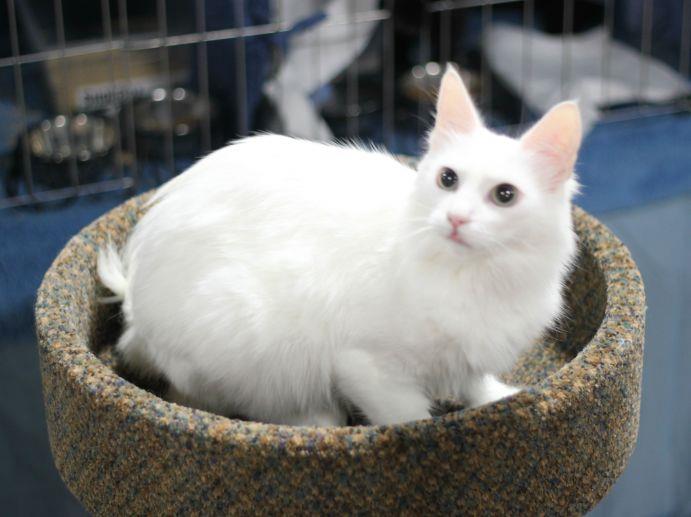
A Turkish Angora tends to look light and floating until you pick one up and feel the muscle under the coat. The body is long and fine-boned, the ears are large and upright, and the tail is richly plumed. It is a small to medium cat, refined rather than stocky, typically about 2.3 to 4.5 kg (5 to 10 lb), with males often heavier.1, 2
The coat is one of the practical surprises. Many Turkish Angoras have a silky single coat with little to no undercoat, which is less prone to matting than the dense double coats of some longhairs, though individual cats vary and winter coats can thicken noticeably. White is the classic colour, but major registries accept many colours and patterns, with the exact rules varying between them.1, 2, 3
Temperament and Personality
In a household the Turkish Angora behaves like an alert observer that cannot quite resist joining in. They are typically described as intelligent, active, curious, and people-oriented, often following movement from room to room and investigating anything newly opened, moved, or left on a bench. They also tend to use height, so expect them to choose the top of a wardrobe over the cat bed you carefully bought.1, 2
Is a Turkish Angora Right for You?
This is an interactive, present cat rather than a quiet background one. If you want a calm, low-interaction companion, a Turkish Angora may feel like too much company. If you enjoy an observant, involved cat that wants to be near you, they often shine. Before you commit, work through a few honest checks.
- Coat reality: the coat is usually manageable, but you still need to commit to regular combing and the occasional de-shedding push during seasonal change.2
- White or blue-eyed kittens: ask about hearing assessment and what precautions the breeder recommends, and consider whether an indoor-only setup is realistic for your household.1, 4
- Health transparency: ask what the breeder screens for and what veterinary paperwork comes with the kitten, then follow up with your own vet regardless.4
Care and Housing
Turkish Angoras are often described as busy and athletic, and the easiest way to live with that is to give them a home where climbing is allowed and boredom is hard to achieve. A tall, stable cat tree near a window, puzzle feeders, and short daily play sessions suit them better than one long session once a week. Wand toys, chase games, and climbing routes work well for most cats.2
Home safety matters more than usual with a cat that opens cupboards. Treat your home the way you would with a toddler and secure chemicals, medications, and food scraps.3
Grooming and Care
Despite the long coat, Turkish Angoras are often easier to maintain than many longhaired breeds because the coat is typically silky and single-layered. A regular comb-through is usually enough to keep loose hair moving and stop small tangles from becoming mats, with extra attention during seasonal coat changes.2, 3
- Comb or brush: once or twice a week for most cats, more often if you are seeing knots behind the ears, under the armpits, or in the britches (back legs).2
- Nails: trim regularly and provide at least one sturdy scratching surface, tall enough for a full stretch.1
- Teeth: ask your vet about dental care. Home toothbrushing, if your cat tolerates it, is a quiet long-term win.
Health and Lifespan
Turkish Angoras commonly live into their teens, and some go longer with good care and genetics. Most are healthy, but two considerations are worth understanding before you choose a kitten.1
Deafness risk in some white cats. White cats, particularly those with blue eyes, can have an increased risk of congenital deafness. This is not unique to Turkish Angoras, but it is relevant because white is a common colour in the breed. Where there is concern, a BAER hearing test can assess hearing. A deaf cat can still live a good life, but it should be managed for safety, for example kept indoors or in a secure cat run, because it cannot hear hazards like vehicles, dogs, or sudden changes in the environment.1, 2, 4
Hypertrophic cardiomyopathy (HCM). HCM is a heart disease seen across many cat populations. For Turkish Angoras, breeder guidance commonly emphasises screening and careful breeding decisions to reduce risk, so it is worth asking what testing has been done in the line and what your vet recommends for your individual cat.1, 4
Breed pages can only speak in generalities. When you choose a kitten, the practical questions are whether the parents have been health screened as appropriate, whether the kitten has had a normal vet check, and whether the breeder can talk plainly about any problems they have seen in their lines.1, 4
On routine veterinary care in Australia, vaccination needs depend on lifestyle, such as indoor-only versus outdoor access, multi-cat homes, and local disease risk. Australian guidance commonly describes core cat vaccines as covering feline parvovirus (panleukopenia), feline herpesvirus, and feline calicivirus, often delivered as an F3 vaccine. For adults who have completed an initial kitten course, core boosters are commonly recommended every 1 to 3 years depending on the product used and the cat's circumstances, with your veterinarian setting the schedule.5, 6
A Few Things Worth Knowing
- They favour height. Plan for stable cat trees and safe perches rather than fighting the instinct.2
- The single coat is a real advantage over dense double-coated longhairs, but winter coats can still thicken.2, 3
- White plus blue eyes is the combination to ask about at the breeder, not the whole breed.1, 4
The Bottom Line
The Turkish Angora is a silky longhair with the body of a climber and the attention of a close observer. Give it a safe vertical home, steady grooming, and sensible veterinary care, and it tends to settle into a confident companion that is often nearby, often watching, and usually ready to move when you move.1, 2
References
- The International Cat Association (TICA), Turkish Angora
- Cat Fanciers' Association (CFA), Turkish Angora
- Cat Fanciers' Association (CFA), Turkish Angora Article (2001)
- PetMD, Turkish Angora: Health and Care
- RSPCA Pet Insurance (Australia), Vaccinations for your pet
- RSPCA Knowledgebase, What vaccinations should my cat receive?

Dog lover and writer at My Pets Australia, sharing practical breed guides and care advice for Australian pet owners.