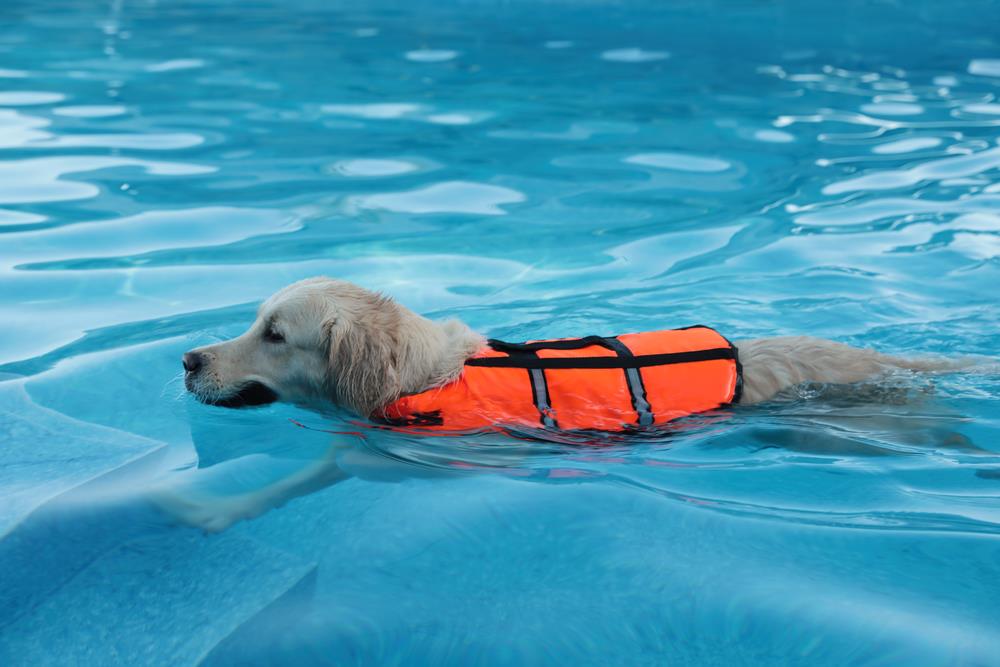
Training Your Pet for Therapy Work
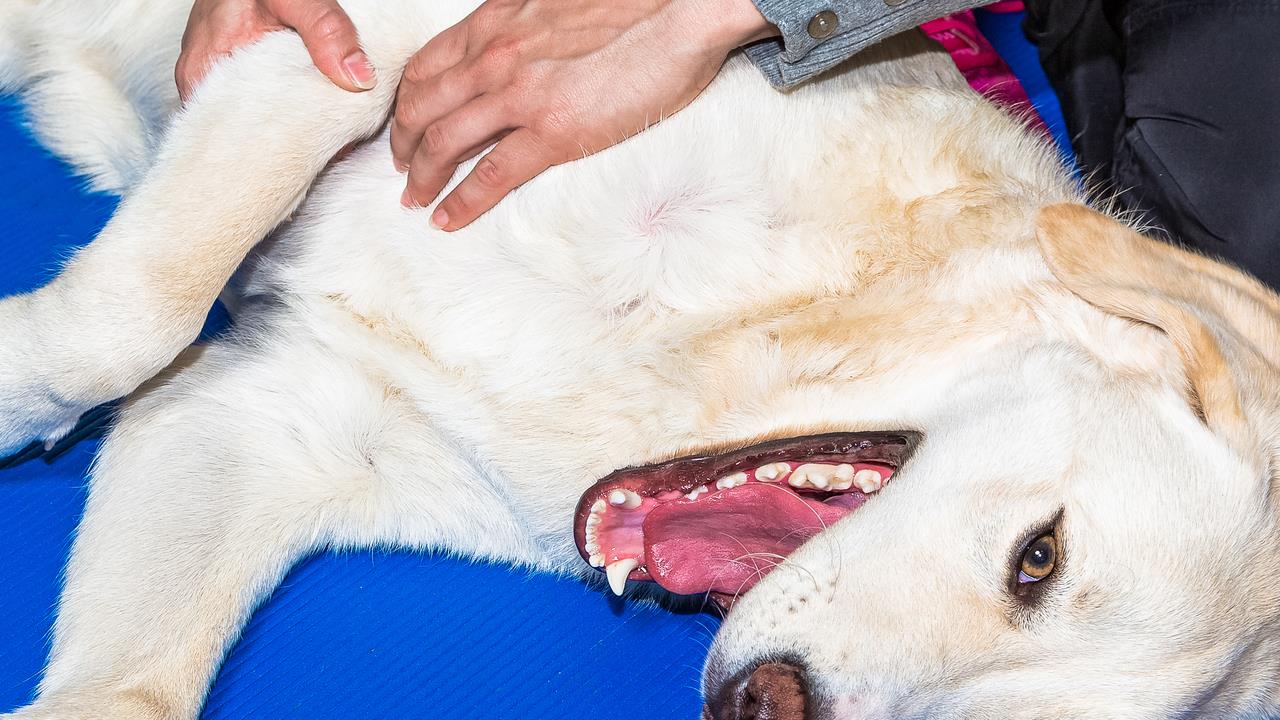
A therapy pet is a calm, well-handled animal that visits people to provide comfort in places like hospitals, schools, and residential aged care, usually as part of an organised visiting program. Done well, this work can genuinely soften a hard day, and in some settings the benefits even show up in measured outcomes. It is also a serious commitment. The same animal that is settled at home can feel overwhelmed in a busy public space, which is where someone can get scratched, bitten, or simply put at risk. Getting it right means understanding what therapy animals are, how training and assessment work in Australia, and where legal access rights begin and end.2, 3
What a therapy pet is (and where they fit)
A therapy animal is a pet that visits people to provide comfort and calm, often in facilities such as hospitals, schools, or residential aged care, usually as part of an organised visiting program. They are not trained to mitigate a specific disability for one handler in the way an assistance animal is.3
Therapy pets, emotional support animals, and assistance animals
These terms get mixed up, and the differences matter most when someone expects public access.
- Therapy animals work with many people (patients, students, residents) during structured visits, typically as volunteers through a program. Public access depends on the facility's permission and program rules, not a broad legal right.3
- Emotional support animals are companion animals that provide comfort to their owner, but they are not automatically granted the same access rights as an assistance animal.3
- Assistance animals (including guide, hearing, mobility and psychiatric assistance dogs) are specially trained to alleviate the effects of a person's disability and are recognised under Australia's Disability Discrimination Act 1992. They must be allowed access to public facilities, subject to relevant state and territory requirements and appropriate behaviour and hygiene standards.2, 3, 4
What the evidence says about benefits, and its limits
Animal-assisted programs have been linked with improvements such as reduced pain and some physiological changes in certain settings, though results vary depending on the population, the kind of program, and how outcomes are measured. A systematic review and meta-analysis in hospitalised children and teenagers found animal-assisted therapy was associated with less pain and a small reduction in systolic blood pressure, but not consistent changes across all outcomes studied.5
In adult hospital settings, controlled studies have reported measurable effects during brief therapy-dog visits in some patient groups, for example haemodynamic changes in patients with advanced heart failure. These findings are promising, but they are not a guarantee of benefit for every person or every environment.6
The honest way to think about therapy pets is straightforward. They can make a clinical or community space feel more human, and sometimes that shows up in measurable outcomes, but the program has to protect patients, staff, visitors, and the animal at the centre of it.7
Types of therapy pets
Dogs are the most common therapy animals, mostly because they are widely socialised to people and can be trained for calm, predictable behaviour. Some programs also work with cats, rabbits, guinea pigs, and horses, depending on the setting and the organisation's policies. Whatever the species, the temperament and handling standards matter more than novelty.
Assessing your pet's suitability
Not every friendly pet is suited to visiting work. Therapy environments bring wheelchairs, walkers, beeping equipment, sudden hugs, unsteady hands, and strong smells. A suitable therapy animal stays steady through that without needing to be restrained, coaxed, or talked into tolerating contact.
Temperament: what you are really looking for
A good candidate is reliably calm, sociable, and responsive to the handler. They recover quickly from surprises, do not startle easily, and can be gently redirected without frustration. The goal is not a perfect animal, it is a predictable one.
Health and grooming basics
Therapy programs typically require up-to-date veterinary checks, vaccination status appropriate to the setting, good parasite control, and clean grooming. This is partly about courtesy, but it is also infection control: facilities have to manage risk for people whose immune systems may be fragile.7
Age and maturity
Puppies can be charming, but they are rarely ready. Many organisations set minimum and maximum ages so the dog is mature enough for the work and not pushed past their comfortable limits. For example, Delta Therapy Dogs (Australia) lists an age range of 18 months to 9 years for prospective volunteer therapy dog teams.1
Training that actually matters
Therapy work is less about tricks and more about calm reliability. Most successful teams build skills in layers, then practise them in real-world environments before they ever visit a facility.
- Foundational obedience and handling: loose-lead walking, settle, recall (as appropriate), and calm greetings. The handler's timing and consistency matter as much as the dog's skill.
- Social exposure with control: meeting different people (including children and older adults), seeing mobility aids, hearing sudden noises, and remaining under control throughout.
- Desensitisation and recovery: learning to pause, reset, and relax after a startle. A therapy animal does not need to be unflappable; they need to recover smoothly.
- Visit-specific behaviours: being comfortable with gentle pats, awkward angles, crowded spaces, and short periods of stillness while a person talks, cries, or rests their hand on the animal.
Assessment, certification, and spotting scams
In practice, certification for therapy animals usually means a recognised organisation has assessed the team (animal and handler) for temperament, obedience, safe handling, and suitability for visits in specific environments. Facilities often require proof of this kind of assessment before allowing visits.
Reputable programs and typical requirements
Therapy animal programs vary, but they tend to ask for a stable, healthy dog, a handler who can follow facility rules, and a commitment to regular visits. Delta Therapy Dogs, for example, outlines expectations around temperament, obedience, handler suitability, and the dog's age range before an application proceeds.1
How scam registries usually work
Be wary of any website that sells an instant certificate, ID card, or vest without a proper in-person behavioural assessment. In Australia, therapy animals do not have the same automatic public access rights as assistance animals, and a piece of paper does not change that.3
Rights and responsibilities in Australia
Therapy animal teams generally go where they are invited, by a hospital, school, library, or aged care facility, under that facility's policies and risk controls. That is different from an assistance animal, which is protected under federal discrimination law when accompanying a person with disability, subject to appropriate standards and relevant state and territory schemes.2, 4, 8
Best-practice public behaviour
- Keep your animal close, on lead, and under control at all times.
- Do not allow unsolicited approaches, especially in tight corridors or crowded waiting areas.
- Watch for subtle stress signs (lip-licking, yawning out of context, turning the head away, freezing, tucked tail, sudden sniffing as displacement).
- Leave early if the animal is tiring. Good visits end before patience runs out.
Health and safety in visiting settings
Facilities may restrict where animals can go, how contact happens, and when hand hygiene is required before and after touching the animal. These rules protect vulnerable people and also protect the animal from unsafe handling.7
Handling difficult moments
Occasionally a person may grab suddenly, shout, or move unpredictably. A handler's job is to create space, end the interaction cleanly, and prevent the animal from being trapped. If a team has a near-miss, it should be reported through the program and treated as useful information, not embarrassment.
Where therapy pets can work
Therapy animal visits commonly happen in:
- hospitals and rehabilitation wards
- residential aged care
- schools and libraries (reading programs)
- community events and wellbeing days
- disaster recovery and crisis support settings (when run by experienced organisations)
Most roles are volunteer-based and organised through a program that provides screening, training, and insurance arrangements.
The real commitment, including when to stop
Therapy work asks for steadiness, repetition, and routine. There are costs: vet care, grooming, travel, and the slow mental load of being responsible in public. There is also the animal's limit, which can change with age, illness, or life events. Retirement is not a failure. It is often a sensible end to a season of work.
Keeping welfare front and centre, comfort, rest, choice, and freedom from stress, helps ensure therapy programs remain gentle for everyone involved, including the animal doing the visiting.9
References
- Delta Therapy Dogs (Australia), Therapy Dogs Program
- Disability Gateway (Australian Government), Assistance animals
- healthdirect (Australian Government), Assistance dogs or service dogs
- NDIS, What's an assistance animal?
- Systematic review and meta-analysis: Effects of animal-assisted therapy on hospitalised children and teenagers (PubMed)
- Randomised study: Animal-assisted therapy in patients hospitalised with heart failure (PubMed)
- Systematic review: Animal-assisted intervention, benefits and risks in hospital settings (PubMed)
- Australian Human Rights Commission, Access to premises and services for people who use assistance animals
- RSPCA Australia, Animal welfare science and policy (homepage)

Dog lover and writer at My Pets Australia, sharing practical breed guides and care advice for Australian pet owners.