Tips To Get Rid Of The Pet Smell Out Of A Carpet
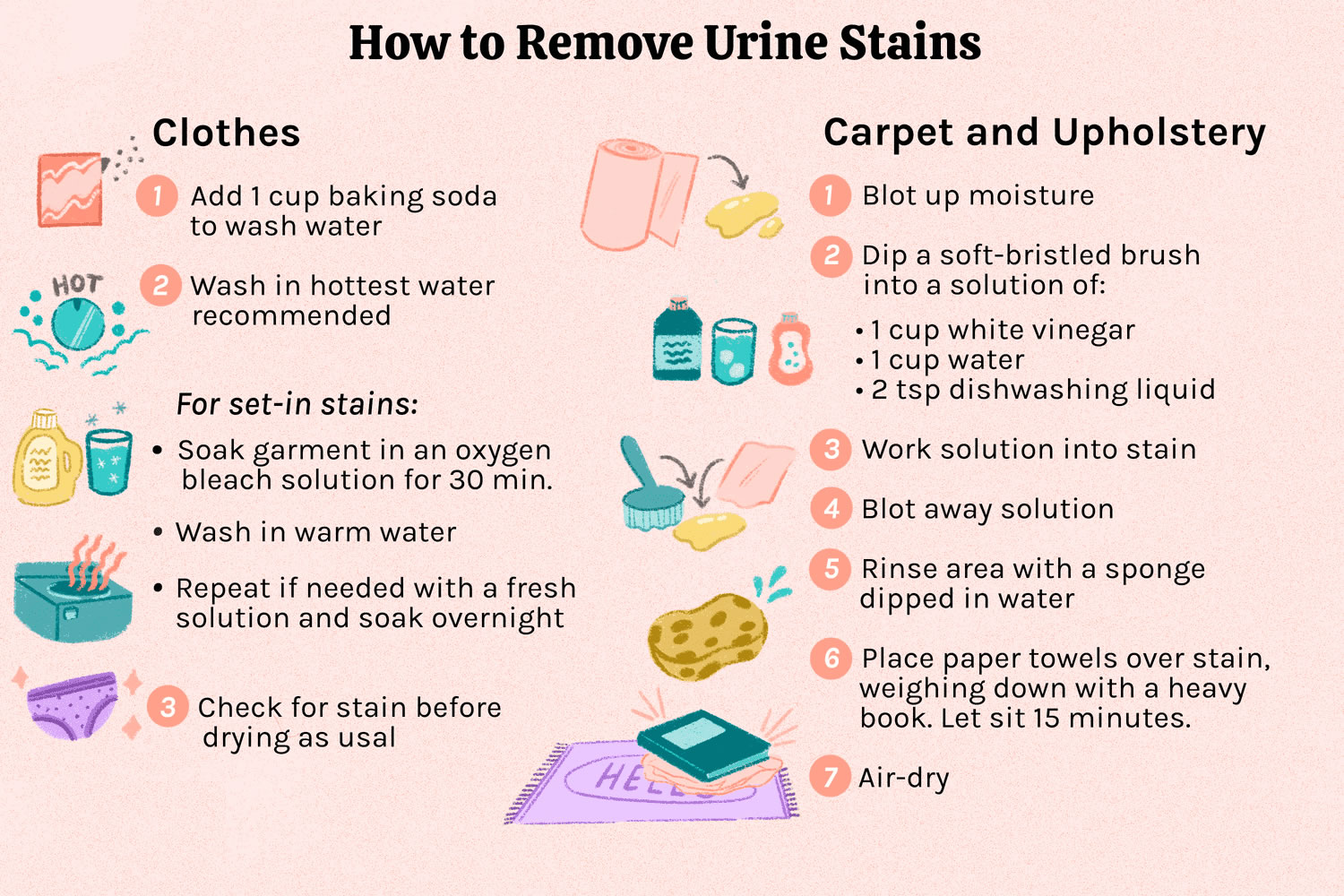
Pet smell in carpet almost always means something has soaked into the fibres, and often deeper into the underlay or the floor beneath. Urine is the usual culprit, and it is the hardest to shift because it can leave residues that re-smell later, especially on a warm or humid day. The good news is that the fix is mostly mechanical: find the source, lift out as much contamination as you can, and dry the area properly. Chasing the smell with fragrance alone just masks it, and slow drying can trade a pet odour for a damp or mould problem. The steps below stay practical and safe for a typical Australian home.
Why pet odours hang around in carpet
Carpet is a layered sponge: fibre on top, backing below, and usually underlay underneath. Liquids pass through the top quickly, then sit where airflow is poor, which is why the smell can persist even after repeated surface cleaning.
- Urine is the most stubborn, because it soaks into underlay and leaves residues that produce fresh odour later, particularly in warm, damp conditions.
- Dander, saliva, and outside smells such as wet dog and muddy paws tend to sit closer to the surface. These respond well to thorough vacuuming and periodic deep cleaning.
Find the exact spot first
Before you spray anything, locate the strongest source. Treating the wrong patch wastes product and spreads moisture around for no reason.
- Use your nose close to the carpet. It is unpleasant, but effective, especially around skirting boards and favourite pet corners.
- In a dark room, a UV torch can reveal old urine patches that look perfectly clean in daylight.
Fresh accidents: what to do straight away
Speed matters most here. The goal is to remove as much liquid as possible before it sinks any deeper.
- Blot, do not rub. Press paper towel or a clean cloth down firmly, then lift. Repeat with fresh towel until little transfers.
- Apply an enzyme cleaner and fully saturate the affected area. For urine, enzymes are designed to break down the organic residues that keep producing odour. Follow the label dwell time and keep pets off the area until it is dry.
- Dry thoroughly. Use fans for airflow, and if you have one, a wet or dry vacuum to extract moisture after treatment.
When and how to use baking soda
Baking soda helps with residual smells, but it works best as a dry finishing step, after the main clean-up and once the area is mostly dry.
- Lightly sprinkle baking soda over the area.
- Leave it for several hours, or overnight.
- Vacuum slowly and thoroughly.
Adding baking soda onto wet carpet tends to clump and sit in the pile, which makes cleanup harder and does less for the odour.
Vinegar: useful, but not a cure-all
A diluted vinegar and water wipe can reduce some smells, but it does not reliably remove the underlying urine residues the way an enzyme product does. If you use it, keep it gentle and avoid over-wetting the carpet.
Never mix vinegar with bleach or bleach-containing products. If you are unsure what has been used previously, rinse lightly with clean water, extract, then allow the area to dry.
Routine deep cleaning
Even when there is no single accident spot, carpets hold fine particles such as hair, dander, and tracked-in dirt that build into a stale smell over time.
- Vacuum regularly and go slowly over high-traffic pet areas.
- Deep-clean periodically using hot-water extraction, with a hired machine or a professional. This lifts embedded grime and reduces the overall odour load.
If urine has reached the underlay, cleaning the surface alone may reduce the smell temporarily without fully solving it.
Stubborn urine smells
If the odour keeps coming back, assume the contamination is deeper than the carpet pile.
- Use an enzyme cleaner correctly. Most failures come from not using enough product, not allowing enough dwell time, or extracting too early. Follow the label closely.
- Treat a wider area than the visible stain. Urine spreads outward and down.
- Extract, then dry fast. Slow drying increases the risk of mould and damp smells.
Why drying is not optional
Any time you wet carpet, whether spot cleaning or machine cleaning, drying is part of the job. Damp carpet and underlay can support mould growth and worsen indoor air quality, especially for people with asthma or allergies.5, 6, 7
- Open windows when the weather permits and create cross-ventilation.6
- Use fans to move air across the surface.
- If the area was heavily soaked, a dehumidifier will speed drying.
Wet areas and water damage should be cleaned up promptly. Guidance commonly recommends acting within 24 to 48 hours to reduce the risk of mould.4
When to call a professional
Professional carpet cleaners are worth it when:
- the smell returns after repeated, correct enzyme treatment
- the patch is large, old, or has soaked into the underlay
- the room has a general musty odour after cleaning, which suggests slow drying or deeper moisture
If carpet or underlay is mould-contaminated, health advice notes that absorbent materials may need professional cleaning or replacement if they cannot be cleaned and dried completely.6, 8
Keeping the odour from coming back
- Keep a small accident kit ready: paper towels, gloves, enzyme cleaner, and a clean cloth.
- Vacuum more often in pet zones, especially where pets sleep.
- Dry spills and wet-paw tracks quickly. Rainy days are when the house smell tends to build.
- Address repeat toileting areas with proper enzymatic treatment so the scent cues are removed rather than masked.
Carpet odour is usually simple in principle: the smell tells you where residue remains. Blot early, use an enzyme cleaner for urine, extract what you can, and dry the area properly. When the smell persists it is often sitting in the underlay, and at that point a professional clean or selective replacement is the cleanest fix.
References
- RSPCA Australia (general pet care and welfare information)
- Bunnings Australia, How to clean pet urine from carpet (Britex guide)
- American Veterinary Medical Association (AVMA), Pet care resources (general reference)
- SafeWork NSW, Mould (prevention and prompt clean-up, 24 to 48 hours)
- National Asthma Council Australia, Mould health hazard warning and prevention checklist
- NSW Health, Mould (ventilation, moisture control, drying water-damaged materials)
- ACT Government, Mould (health effects, prevention, drying and cleaning guidance)
- Defence Housing Australia, Mould (ventilation, drying, carpets may need professional cleaning or replacement)
- YourHome (Australian Government initiative), Indoor air quality (ventilation and moisture control)

Dog lover and writer at My Pets Australia, sharing practical breed guides and care advice for Australian pet owners.