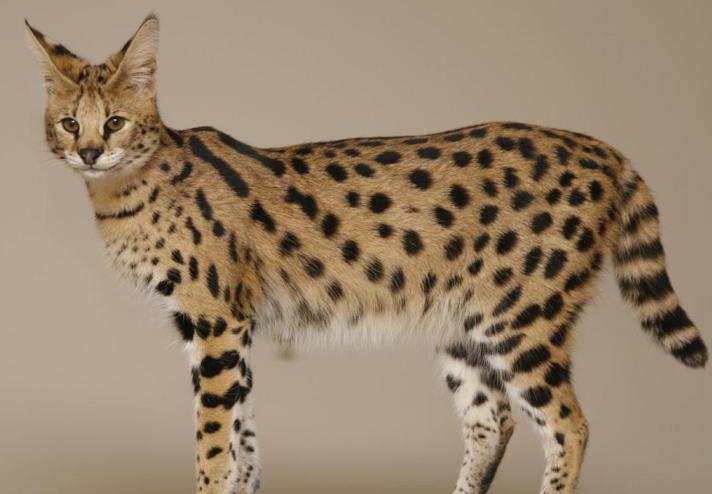
Time to say goodbye to your old Cat
Old age in cats arrives quietly. A senior cat rarely acts sick in any dramatic way; it simply does less, sleeps more, and stops attempting the jumps and sprints it once managed without a thought. Most of that slowing down is normal, and with a vet's help and a few small changes at home, many older cats stay comfortable and themselves for a long time. The harder part is telling ordinary ageing apart from pain or illness, and knowing when comfort has started to slip. This guide covers the signs that matter, the conditions vets watch for, and a grounded way to think about quality of life, euthanasia, and the days afterwards.
Signs your cat is ageing (and needs a closer look)
Ageing in cats is subtle, so the most useful habit is to treat any persistent change as information rather than just "old age". A single off day means little. A change that started at a certain point and keeps getting worse is worth a vet's attention.
- Activity and mobility: less play, reluctance to jump, stiffness, slower on stairs, or hesitation getting into the litter tray, often linked to pain or arthritis.
- Grooming and coat: a coat that looks unkempt or greasy, dandruff, matting, or more shedding can mean your cat can't groom comfortably or is unwell.4
- Appetite and weight: eating less, fussier eating, or steady weight loss even when they seem to eat normally.
- Drinking and urination: increased thirst and larger urine clumps can be early clues for kidney disease or other illness.3, 4
- Behaviour: hiding, irritability, confusion, louder vocalising, or withdrawal from the family, sometimes pain, sometimes medical disease, sometimes cognitive change.
If you are seeing a cluster of these, book a vet visit and bring notes on what changed, when it started, and whether it is getting worse. Older cats benefit from more frequent check-ups so small problems are caught early.1
Common health issues in older cats
Several conditions become more likely with age, and they often overlap. The aim is not to label every wobble a crisis, but to recognise patterns worth testing.
- Chronic kidney disease (CKD): one of the most prevalent diseases of older cats. Early on there may be few obvious signs. Later you may see increased thirst and urination, weight loss, poor appetite, nausea, and a scruffy coat.3
- Dental disease: a sore mouth can look like fussiness, dropping food, bad breath, or eating on one side.
- Arthritis and chronic pain: reduced jumping, litter tray accidents because climbing hurts, and irritability when handled.
- Endocrine and metabolic disease: diabetes and thyroid disease can change weight, appetite, thirst, and energy.
- Cancer: sometimes obvious as lumps or weight loss, sometimes quiet as reduced appetite, hiding, or weakness.
Many of these conditions are treatable or manageable for months to years. A plan might include pain relief, diet changes, dental care, hydration support, and home set-ups that reduce strain, small adjustments that can return a cat to themselves.1, 5
Making a senior cat's life easier at home
Older cats thrive on comfort and predictability. They do not need a new lifestyle, they need fewer obstacles.
- Make the basics effortless: add extra water bowls and litter trays, and choose a tray with low sides or a cut-out entrance if mobility is limited.4, 5
- Build gentle access: use steps, stools, or a stable chair so your cat can reach favourite sleeping places without a big leap.
- Keep warmth close: provide a soft bed away from draughts, with an easy route in and out.
- Support grooming: brief, calm brushing helps when self-grooming drops off.4
- Nutrition and weight: older cats can lose or gain weight quickly. Ask your vet what to feed and how much, and track weight at home if you can. Regular monitoring matters more than the perfect brand.1
- Treat pain, don't accept it: stiffness is not inevitable. Ask directly about pain assessment and options that are safe for cats, and never use human painkillers unless your vet has prescribed them for your cat.
When to consider euthanasia
Euthanasia is considered when suffering cannot be relieved, or when the only way to keep going is through interventions that no longer offer your cat comfort or dignity. The decision is usually made over days or weeks, with your vet helping you read what your cat's body is doing and what treatment can realistically achieve. Quality of life is easier to judge when you look for repeated, concrete markers.
- Pain that cannot be controlled, or pain that breaks through despite treatment.
- Breathing distress, persistent nausea, or an inability to keep food down.
- Not eating or drinking enough to sustain themselves, or rapid ongoing weight loss.
- Loss of normal function: repeated falls, inability to reach the litter tray, or frequent soiling because they cannot get there.
- More bad days than good days, consistently, not just during a brief setback.
Many families find it helpful to keep a simple daily log covering appetite, mobility, toileting, comfort, and interest in favourite spots. It turns a foggy worry into a pattern you can discuss with your vet. If your cat is nearing the end, ask about palliative (hospice) care versus euthanasia and the practicalities of each, including whether euthanasia at home is available in your area.6
Coping with the loss of your cat
Grief after a pet's death is not a small thing. Your routines change, the house sounds different, and you may find yourself listening for paws that are not coming. Some people feel relief alongside sadness, which can simply mean the tension of worrying has eased. If you need extra support, start with your veterinary clinic, as many practices can refer you to local pet-loss supports or counsellors. You can also contact a specialist pet bereavement helpline for confidential support.8
Supporting other pets in the household
Some cats and dogs show clear behaviour changes after a companion animal dies, while others seem unchanged. Where changes happen, they often look like reduced appetite, altered sleep, increased vocalising, clinginess, hiding, or restlessness. These behaviours can settle over time, but they are worth watching carefully.7
- Keep routines steady for meals, walks, and quiet time. Predictability helps.7
- Offer contact, don't force it: let your pet choose closeness.
- Watch appetite and toileting: if your pet stops eating, seems unwell, or the change persists, book a vet check to rule out medical causes.7
End-of-life resources (Australia)
- Your local vet clinic: the best first call for pain control, palliative care planning, and humane euthanasia options.
- RSPCA (state and territory branches): practical guidance and local contacts for animal care and support services.2
- Pet bereavement helplines: confidential, specialist listening support when you need to talk it through with someone outside your circle.8
The Bottom Line
Old age in cats is rarely loud. It arrives as small omissions: a jump not taken, a coat less tidy, a longer pause before the food bowl. With a vet's help and a few changes at home, many older cats stay comfortable well into their senior years. When comfort can no longer be protected, a calm, planned goodbye can be the last gentle care you give.
References
- AAHA, 2021 AAHA/AAFP Feline Life Stage Guidelines (Life Stage Checklists)
- RSPCA Pet Insurance, Support services available for dog and cat owners
- Cornell Feline Health Center, Chronic Kidney Disease
- Cornell Feline Health Center, The Special Needs of the Senior Cat
- MSPCA-Angell, Chronic Kidney Disease Management in Cats
- RSPCA Pet Insurance, What to do when a pet passes away at home
- RSPCA Pet Insurance, What to do when your pet is grieving?
- Blue Cross, Pet Loss Support
- Blue Cross, About Pet Loss Support (how to contact)

Dog lover and writer at My Pets Australia, sharing practical breed guides and care advice for Australian pet owners.