The Truth About Raw Diets for Pets
A raw diet feeds pets uncooked animal ingredients such as muscle meat, edible bones and organ meats, usually with the aim of matching what a dog or cat might eat in the wild. For some pets, carefully built raw plans can work, and many owners report firmer stools and a brighter coat after switching. It is also a topic where the evidence is genuinely mixed and the safety hazards are well documented. Raw feeding is legal in Australia, but the RSPCA and major veterinary bodies urge caution, mostly because of bacterial contamination and the risk of an unbalanced diet. The sensible approach is to weigh the possible benefits against the known risks, then decide with your vet whether raw suits your pet and your household.
What raw feeding means
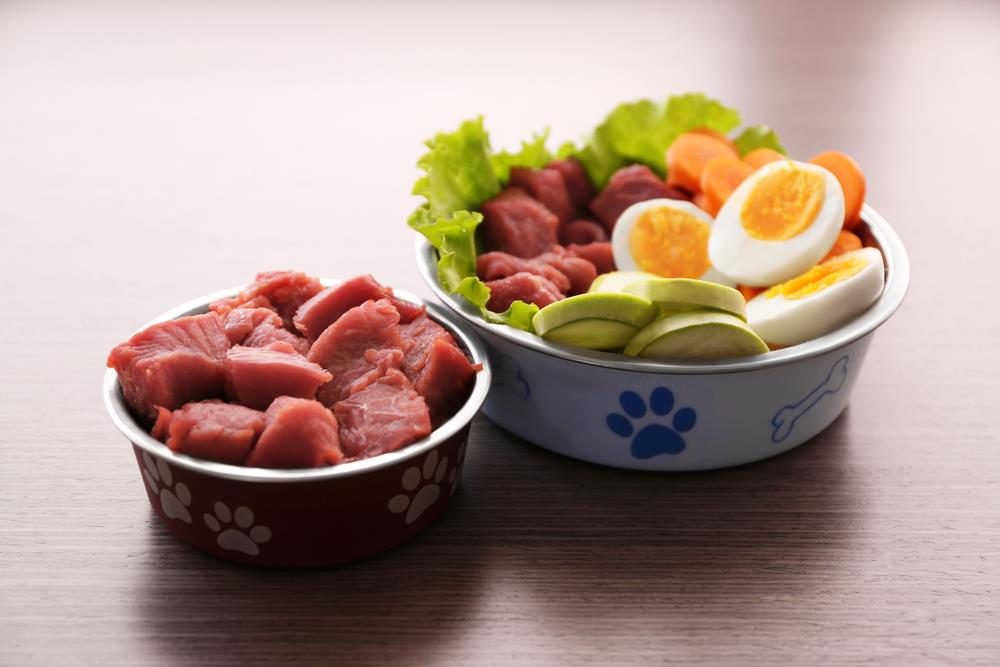
A raw diet is built around uncooked animal ingredients. Depending on the approach, it may include:
- Raw muscle meat
- Raw edible bones or ground bone
- Organ meats (such as liver and kidney)
- Eggs and small amounts of dairy (in some plans)
- Optional fruit and vegetables (more common in BARF style diets)
The goal is a whole food pattern that some owners feel better matches a dog or cat's evolutionary diet. In practice, the details decide the outcome: what you feed, how you balance it, and how you handle it.
BARF vs prey model raw (PMR)
Two common frameworks show up in raw feeding circles:
- BARF (Biologically Appropriate Raw Food): typically includes meat, bone and organs plus some plant ingredients.
- Prey model raw (PMR): focuses on animal ingredients only, often described with ratios (for example, a meat, bone and organ split). These ratios vary between sources and are not, by themselves, proof of nutritional completeness.
What the evidence says about benefits
Some owners report changes after switching to raw: firmer stools, less body odour, a brighter coat, more enthusiasm at meal time. These observations can be real for individual animals, but they do not automatically mean the diet is safer or nutritionally complete.
When veterinarians and nutrition researchers look for consistent, measurable advantages across many pets, the picture is less decisive. Major veterinary and animal health bodies tend to be cautious about raw feeding, largely because the benefits are uncertain while the infection and safety risks are well established.2, 3, 4
Dental health: a common claim with a sharp edge
Chewing can reduce plaque for some dogs, but bones bring their own problems. Broken teeth and gastrointestinal obstruction are well recognised risks, and bone fragments can cause injury if they splinter or lodge.1
Risks you should take seriously
1) Foodborne bacteria (for pets and people)
Raw animal products can carry pathogens such as Salmonella and Listeria monocytogenes. Unlike cooking, refrigeration and freezing do not reliably eliminate these organisms.5
This is not only about a pet becoming visibly unwell. Dogs can shed Salmonella after eating contaminated raw food without showing symptoms, spreading it into the home through saliva and faeces.6
People at higher risk in a raw feeding household include children, older adults, pregnant people, and anyone with a weakened immune system.5
2) Nutritional imbalance (especially in home made diets)
Balancing calcium and phosphorus, getting the right levels of vitamins and trace minerals, and avoiding excesses is harder than it looks. Even diets that seem sensible can drift into deficiency or oversupply over time. Veterinary associations caution that raw meat based diets may be nutritionally unbalanced, particularly for growing animals.4
3) Bone related injuries
Bones and raw meat are not recommended by the RSPCA because they can break teeth, cause internal blockages, and carry bacteria that can make both animals and humans ill.1
Which pets and households need extra caution
Raw feeding carries more risk in some situations than others. Extra care, and often a decision not to feed raw at all, is warranted when you have:
- Puppies and kittens (growth demands precise nutrition)
- Senior pets or pets with chronic disease
- Immunocompromised pets
- Households with high risk people (young children, elderly, pregnancy, immune suppression)
Dogs vs cats: different biology, same pathogen risk
Cats are obligate carnivores, and many owners assume that makes raw naturally right. Carnivory does not protect a cat, or the people around them, from foodborne bacteria, and it does not guarantee a home prepared raw diet is complete. The same infection control and balancing problems apply, just with different nutritional non negotiables.
Practical questions to ask first
- Why am I changing diets? (skin disease, weight, stool quality, picky eating each have different solutions)
- Can I keep it nutritionally complete? Who is formulating the recipe, and what standards are used?
- Who lives in the house? Any high risk humans or pets?
- How will I handle hygiene? Separate utensils, strict cleaning, safe storage, safe disposal.
- What is my plan if it goes wrong? Diarrhoea, vomiting, constipation, broken tooth, suspected obstruction, or signs of foodborne illness.
Safe handling matters, even if you stay with raw
If you choose to feed raw despite the warnings, treat it like high risk raw meat handling every time: wash hands, clean and disinfect preparation areas, bowls and utensils, and avoid face licking straight after meals.3, 5
The bottom line
Raw diets can be carefully constructed, but they are easy to get wrong. The best supported concerns are bacterial contamination and the chance of an unbalanced diet, alongside physical risks from bones.1, 3, 4, 5
If you are drawn to raw feeding for specific health reasons, take that problem to your vet first. Often the goal (skin improvement, weight control, dental care, better stools) can be met with safer, balanced options, or with a professionally formulated plan that does not rely on guesswork.
References
- RSPCA Australia Knowledgebase: What should I feed my dog? (updated 21 August 2024)
- American Animal Hospital Association (AAHA): Raw Protein Diet (Nutrition and Weight Management Guidelines resource)
- US Food and Drug Administration (FDA): Get the Facts! Raw Pet Food Diets can be Dangerous to You and Your Pet
- Canadian Veterinary Medical Association (CVMA): Safety of Raw Meat-Based Pet Food Products (Position statement, 16 October 2023)
- FDA: Cautions pet owners not to feed Performance Dog raw pet food due to Salmonella and Listeria monocytogenes
- Finley R, et al. The risk of salmonellae shedding by dogs fed Salmonella contaminated commercial raw food diets (PubMed abstract)
- FDA: Advisory (23 September 2024), Do not feed certain Answers Pet Food products due to Salmonella and Listeria monocytogenes
- FDA: Updated investigation into contamination pattern in certain raw pet foods made by Arrow Reliance Inc.

Dog lover and writer at My Pets Australia, sharing practical breed guides and care advice for Australian pet owners.