The Science Behind Your Pet’s Sleep
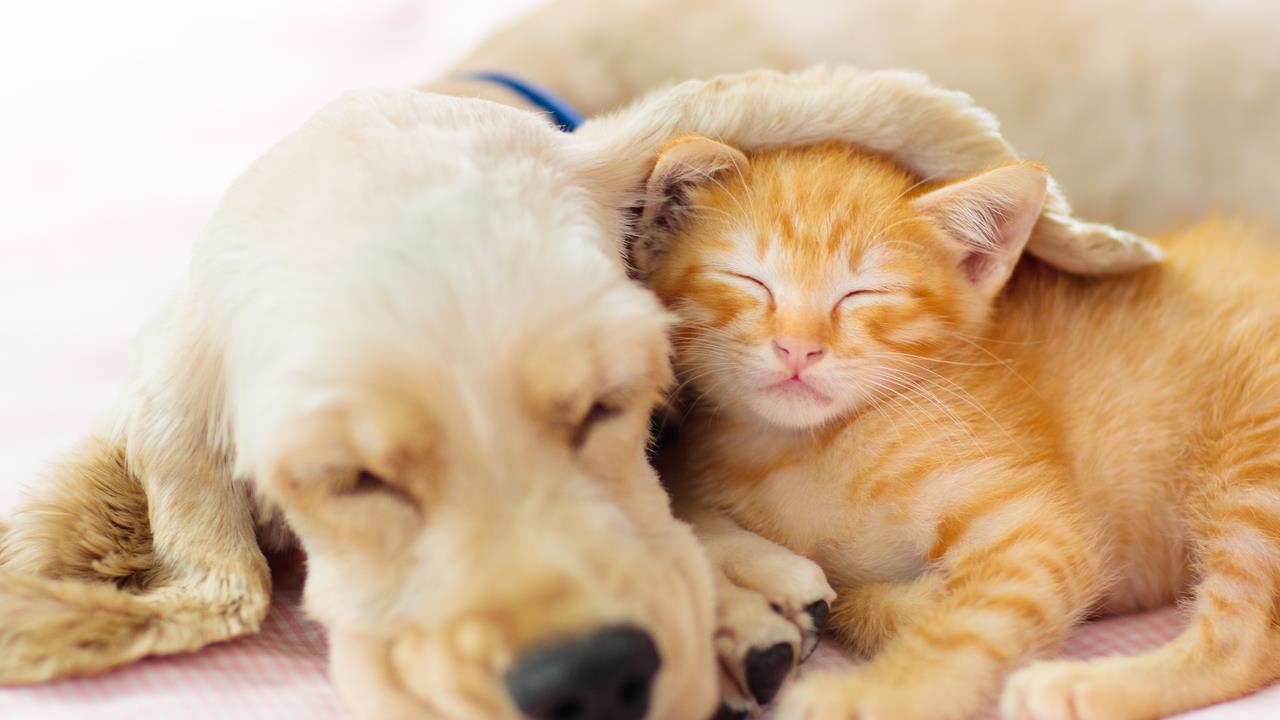
Sleep is where a pet's health shows itself early. Healthy dogs and cats sleep a lot, often in short bursts rather than one long stretch, so the raw number of hours tells you less than the pattern behind them. What matters is how easily they settle, how they breathe, whether they wake looking refreshed, and whether their appetite, movement, and mood still look like themselves. A sudden shift deserves a closer look, especially when it arrives with pain, noisy breathing, or weakness. Read alongside the usual rhythm, sleep is one of the most honest signals you have.
What normal sleep looks like for common pets
Domestic pets do not sleep the way we do. Many nap lightly, wake often, and drop back down again, staying half-tuned to what is happening around them. Age, breed, temperature, activity, and illness can all tilt the total hours up or down, so a healthy range is wide rather than fixed.
Cats
Many adult cats sleep for roughly 12 to 16 hours across a day, with kittens and older cats often needing more.1, 2 Cats are typically most active around dusk and dawn (crepuscular behaviour), which is why night zoomies are common in homes where the day is quiet and the evening is busy.3
Dogs
Many adult dogs sleep for about 12 to 14 hours in 24 hours, with puppies and older dogs often sleeping much longer.4, 5 Dogs also nap throughout the day, especially when the household is still, then lift their heads quickly when something interesting happens.
The biological clock: why routine matters
Like us, pets have circadian rhythms, internal timing systems that respond strongly to light and daily habits. In a steady household, sleep tends to gather in predictable places: after breakfast, through the warm middle of the day, and again overnight.
The common disruptors are simple. Changing meal times, irregular exercise, bright lights late at night, a new pet, a different work roster, or a heater that turns the bedroom into summer at midnight can all unsettle the rhythm. Some animals cope quietly. Others start pacing, vocalising, or waking early.
REM and non-REM sleep: what you might notice at home
Pets move through lighter and deeper sleep stages, including REM sleep. During REM you may see eye flicks beneath closed lids, whisker twitches, soft paddling, or brief vocal sounds. In dogs, this kind of twitching is commonly associated with dream sleep and is usually short-lived.6, 7
It is rarely helpful to wake a sleeping pet just for twitching. If you do need to rouse them for safety, use your voice rather than touch, because a startled animal can snap without meaning to.7
When a sleep change is a quiet sign of illness
Sleep is tightly linked to comfort. When something hurts, animals often rest more, but the rest looks different: lighter, broken, and guarded. In other cases, illness can make a pet sleep deeply and still seem tired.
Red flags worth a veterinary check
- A sudden change in sleep lasting more than a few days, especially with reduced appetite, vomiting or diarrhoea, limping, stiffness, coughing, or a change in weight.
- Restlessness at night in a cat or dog that previously slept well. Rule out pain and medical causes before treating it as behaviour.3
- Episodes that look unlike normal dreaming: rigid limbs, prolonged thrashing, difficulty waking, or disorientation afterwards. These can suggest seizures rather than REM twitching.7
Sleep-disordered breathing: snoring is not always harmless
Some pets snore occasionally, especially in an awkward position. Loud, frequent snoring, gasping, or obvious effort to breathe during sleep is a different matter and can point to upper-airway obstruction. This is particularly relevant for short-nosed (brachycephalic) breeds, where Brachycephalic Obstructive Airway Syndrome (BOAS) can cause chronic airflow resistance and disturbed rest.8
BOAS signs can include snoring while asleep, noisy breathing while awake, heat intolerance, and reduced exercise tolerance.8 If you are hearing these sounds regularly, it is worth raising with your vet. Management can include weight control, avoiding heat stress, and, in some cases, surgery to improve airflow.8
How to support healthier sleep at home
Good sleep is mostly made from ordinary things done consistently. A calm environment and predictable timing let the nervous system settle, which matters most in younger animals and seniors.
Set up the sleeping space
- Choose a quiet, low-traffic spot away from sudden noise such as washing machines and slamming doors.
- Keep the area comfortably cool and well-ventilated, particularly through Australian summers.
- Offer options: a covered bed or crate-like nook for dogs, and a couple of safe resting places for cats at different heights.
Use the day to protect the night
- Build in daily movement and gentle mental work (sniff walks, puzzle feeders, short training games) so rest arrives naturally.
- Feed and play on a steady schedule. Cats that ramp up at night often do better with an evening play session and a meal closer to bedtime.3
- If your cat is waking you overnight, avoid accidentally rewarding it with attention or food. Change routines gradually and rule out medical causes first.3
Takeaway: watch the pattern, not just the hours
Many healthy pets sleep for a large slice of the day. The useful question is not how many hours, but whether this looks like your animal's usual rhythm and whether they wake looking comfortable. When sleep changes come with breathing noise, pain, weakness, or a clear shift in behaviour, that is a quiet signal worth following.
References
- International Cat Care (iCatCare), Cat care advice (sleep and daily routines)
- The International Cat Association (TICA), How much sleep does a cat need each day?
- RSPCA Knowledgebase, My cat is very active at night and keeps waking me up, what should I do?
- RSPCA Queensland, Dogs in apartments (includes typical dog sleep time ranges)
- Sleep Foundation, How much sleep do dogs need?
- PetMD, Why do dogs twitch in their sleep?
- American Kennel Club, Why do dogs twitch in their sleep?
- Brisbane Veterinary Specialist Centre, Brachycephalic Obstructive Airway Syndrome (BOAS)

Dog lover and writer at My Pets Australia, sharing practical breed guides and care advice for Australian pet owners.