The Role of Pets in Child Development
Pets can support children's development in steady, everyday ways, from emotional skills to daily movement. The catch is that the benefits depend on the fit between the animal, the child, and the adults doing the supervising. Research tends to find small to moderate gains rather than guarantees, and the strongest results show up when a child has a warm, consistent bond with the animal. It is also a serious commitment, because a pet is another living being in the home, not a developmental exercise. This guide walks through what the evidence actually supports and the safety rules that keep the relationship a good one.
What the evidence can and cannot say
Studies on pets and child development tend to find small to moderate associations with emotional skills, social connection, and physical activity, especially when the child has a warm, consistent bond with the animal. They also warn against simple cause and effect claims, because families who choose pets may already differ in routines, resources, housing, and support. 1, 2
It helps to think in mechanisms rather than promises. Pets give children regular chances to practise gentle touch, attention to body language, routine, and responsibility. Whether a child actually gains those skills depends on adult guidance and the child's stage of development. 1, 2
Attachment: why some children lean on pets
Attachment theory describes how children use reliable caregivers as a secure base during stress and exploration. It was developed to explain human relationships, but many children also seek comfort and regulation through contact with a trusted companion animal, particularly dogs. 2
Comfort is not automatic, though. Studies suggest outcomes are more consistent when there is a strong bond and positive, responsive interaction, rather than simply having a pet in the home. 2
Emotional development: empathy and the practise of care
Pets create a daily, low stakes setting for children to notice another creature's needs: thirst, hunger, tiredness, excitement, stress. Over time this can support empathy and emotional awareness, especially when adults help children read signals and respond gently. 2, 3
Some longitudinal research also links pet ownership with aspects of children's emotional expression over time, though results vary by study design and family context. 4
Social development: communication and boundaries
For many children, animals become a kind of social training ground. A pet does not respond to words alone, so children learn that body language, tone, approach, and timing matter. Those lessons can carry into human relationships, but the evidence remains mixed and is strongly influenced by the quality of the child and pet bond and the home environment. 1, 2
Pets can also act as social bridges in public spaces. A dog walk, for example, creates small, repeated opportunities for interaction, though this benefit is more relevant for some families than others. 1
Cognitive development: routines and attention
There is a popular idea that pets directly boost children's cognition. The evidence is more cautious. Systematic reviews suggest potential benefits across learning and development domains, but not enough consistency to claim a straightforward cognitive lift from pet ownership alone. 1
The shape of the opportunity is clearer. Feeding schedules, training basics, noticing changes in behaviour, and remembering care tasks can exercise planning, working memory, and flexible thinking, provided adults keep expectations age appropriate. 1
Physical health: movement and outdoor time
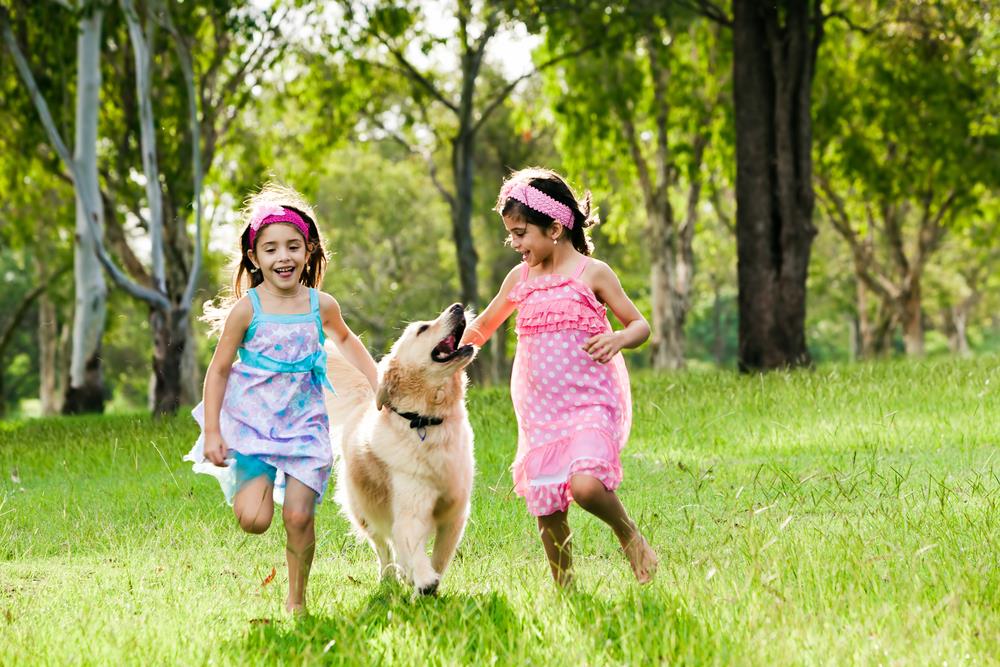
Dogs in particular can nudge families towards regular walking and outdoor routines. That can increase a child's day to day physical activity, even if it is just small bursts of play and movement woven through the week. 1
Hands on care such as filling bowls, brushing, and setting up bedding also builds practical motor skills. Fine movements for clips and buckles, and bigger movements for carrying, cleaning, and walking, provided the tasks are safe and supervised. 5
Safety and health: the non-negotiables
The clearest guidance from health and animal welfare authorities is about supervision. Children, especially those under school age, are at higher risk of dog bites, often from a dog they know, and the risk rises around food, sleep, high energy play, and cramped spaces. 5
Practical rules that prevent most problems
- Supervise closely whenever young children are near animals; if you cannot supervise, separate them. 5
- Protect eating and sleeping time. Children should leave animals alone when they are eating, resting, or asleep. 5
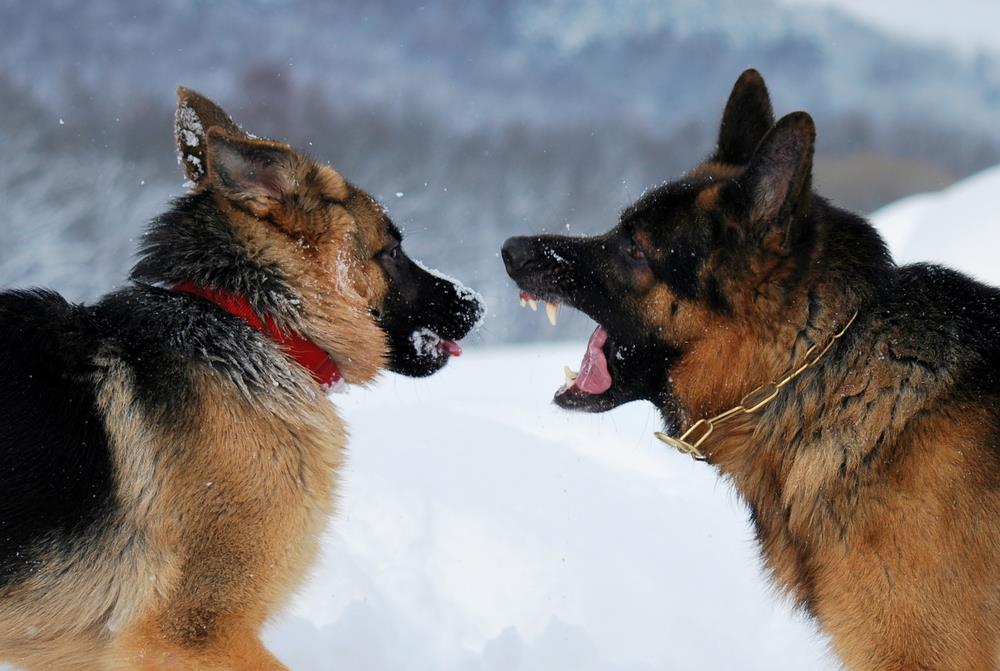
- Watch for stress signals (stiffness, growling, backing away, lip lifting) and calmly end the interaction. 5
- Keep up hand hygiene after handling animals, bowls, toys, bedding, or outdoor play. 5
Pregnancy and cats: toxoplasmosis in plain language
If someone in the household is pregnant, toxoplasmosis is the main pet related infection people worry about. Australian public health guidance recommends avoiding cleaning litter trays where possible (or using gloves and thorough handwashing), and it notes that food and soil exposures are also important routes, especially undercooked meat and unwashed produce. 6, 7
This is usually manageable with routine hygiene, rather than rehoming a cat. If you are pregnant and concerned about exposure, it is worth discussing with your GP. 6, 7
Choosing a pet for a child
The best pet is the one the adults can care for consistently, even when the child loses interest, gets busy, or is not ready for the task. A calm, predictable animal in a stable routine tends to create the safest learning environment. 5
Quick checks before you commit
- Time: daily care, training, exercise, and supervision, especially with dogs. 5
- Budget: food, equipment, vaccinations, parasite control, emergencies.
- Space and housing rules: realistic room to move, containment, noise tolerance.
- Health factors: allergies, asthma triggers, and hygiene routines.
- Temperament match: energy level, tolerance for handling, and predictability around children. 5
How to make the most of it
The healthiest child and pet relationships are built out of small, repeatable moments: gentle pats, calm voices, consistent routines, and adults quietly stepping in before things tip into chaos. Children learn best when the rules are simple and the animal's boundaries are protected. 5
Where a child is ready, give responsibilities that are concrete and safe, such as measuring food with an adult present, refreshing water, or helping with brushing. Let the pet's wellbeing be the standard, not the child's performance. 5
Pets can support children's emotional and social learning, add gentle structure to a household, and sometimes increase daily movement. The strongest evidence points to benefits when the child has a secure, positive bond with the animal and when adults provide consistent supervision. They are not a substitute for human support, and they are never a set and forget addition to family life. 1, 2, 5
References
- Purewal R, Christley R, Kordas K, et al. (2017). Companion animals and child/adolescent development: A systematic review of the evidence. International Journal of Environmental Research and Public Health.
- Frontiers in Psychology (2023). Children's bond with companion animals and associations with psychosocial health: A systematic review.
- Frontiers in Psychology (2018). Associations Between Pet Ownership and Attitudes Toward Pets With Youth Socioemotional Outcomes.
- Yamamoto M, et al. (2019). Pet Ownership and Children's Emotional Expression: Propensity Score-Matched Analysis of Longitudinal Data from Japan. International Journal of Environmental Research and Public Health.
- Better Health Channel (Victoria State Government). Animals and child safety.
- National Health and Medical Research Council (NHMRC). Staying Healthy: Toxoplasmosis fact sheet.
- Department of Health Victoria. Toxoplasmosis (information and prevention).

Dog lover and writer at My Pets Australia, sharing practical breed guides and care advice for Australian pet owners.