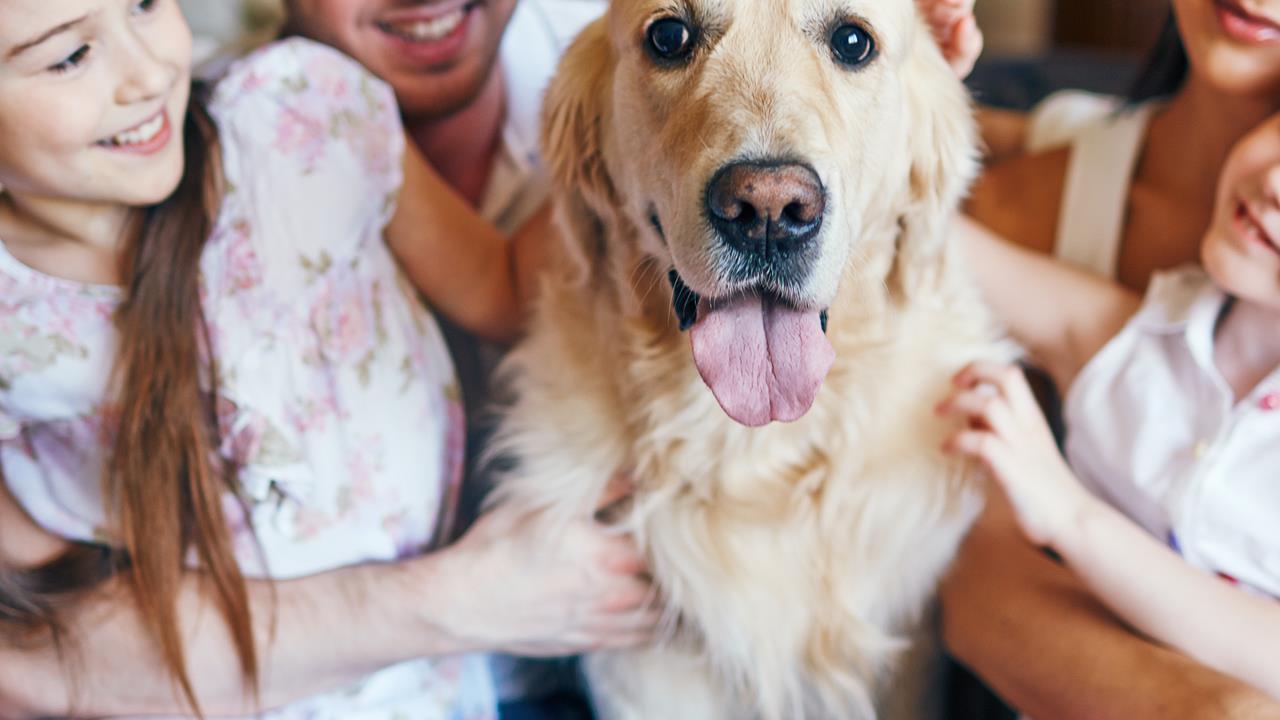
The Psychological Impact of Pets on Seniors
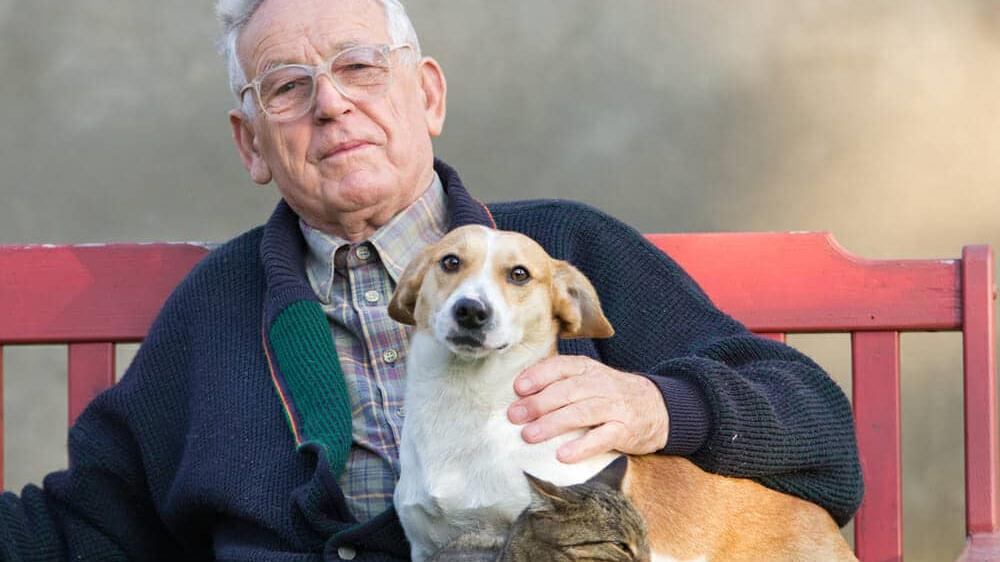
A pet can genuinely change the texture of an older person's day: a steady presence in the house, a reason to get up, and the small social contact that forms around care. Those benefits are real and well documented for the right person in the right home. They are not automatic, and they come with real obligations around cost, care, safety, and what happens if health declines. This is a clear look at what the evidence actually says about pets and older people's wellbeing, where the benefits are strongest, where the claims are often overstated, and the simple checks that help match the right animal to the right home.1, 2
Why loneliness and routine matter in later life
Ageing does not automatically mean loneliness, but life can narrow in small, ordinary ways: reduced mobility, hearing loss, bereavement, giving up driving, or living far from family. Over time those changes can thin out regular contact with other people.3, 4
Australian data show loneliness and social isolation are experienced across all age groups, including older adults, and they are linked with poorer health and wellbeing outcomes. The details vary from person to person, but the pattern is familiar: fewer shared routines, fewer casual conversations, and fewer reasons to leave the house.1, 3
What a pet reliably provides
A pet does not replace human relationships, but it can add a steady presence to a home. For many older people that presence is simplest at the edges of the day: being greeted, sharing a quiet room, following the small rituals of feeding and care.
Pets can also act as social bridges. A dog walk, a chat at the vet, a neighbour stopping to pat the animal: small interactions that build a sense of being known in a place.4
Psychological benefits, and their limits
Research on the human and animal bond suggests pets may help reduce feelings of loneliness and support emotional wellbeing for some people, particularly when the owner enjoys the daily contact and can comfortably meet the animal's needs.2
Claims that pets "treat depression" or "prevent dementia" are too strong. The evidence is mixed and often observational, which means it cannot prove the pet caused the improvement. What comes through more consistently is gentler: pets may support mood, reduce perceived stress in some settings, and add structure that makes a day feel less empty.2, 5
Physical health: what the studies can and cannot prove
When a pet nudges an older person into regular movement, such as short walks, more time outdoors, and light play, it can help maintain strength and routine. That effect is most obvious with dogs, because their care usually includes daily walking.
Large reviews have found associations between dog ownership and lower risk of death, including cardiovascular mortality. These studies are not perfect, because owners may differ in important ways from non-owners, but the signal is strong enough to take seriously, especially as a possible marker of a more active, connected lifestyle.5
Broader meta-analyses looking at pet ownership and cardiovascular outcomes show similar associations, though results vary depending on how carefully studies adjust for confounders and what outcomes are measured.6
Purpose and routine
Older people often describe the best part of pet ownership in practical terms: someone to feed, a reason to get up, a reason to go outside, a small life that depends on steady care. That structure can be protective when days start to feel interchangeable, especially after a major change like bereavement or retirement.
Routine also makes it easier to notice change, both in the person and in the animal. When the pattern is familiar, small warning signs stand out sooner.
Aged care and pet therapy
In residential care, "pet therapy" usually means supervised visits or structured sessions with trained animals, rather than a resident being responsible for day to day care. That is a genuinely different thing from owning a pet.
Evidence summaries in dementia care suggest animal-assisted therapy can improve mood, engagement, and interaction for some people living with dementia, with mixed or inconclusive results for agitation, quality of life, and other outcomes.7, 8
This matters because it sets realistic expectations: short, supported contact may offer benefits without adding the burden of ownership.
Challenges to face before getting a pet
The main risks are predictable and worth facing early: falls, bites or scratches, infection risk in vulnerable people, cost, and what happens if the owner becomes unwell. A quick suitability check covers most of it:
- Daily care: Can feeding, fresh water, toileting or litter, and basic grooming be done comfortably every day?
- Mobility and balance: Would a pulling dog increase fall risk? Would a cat weaving around legs be hazardous at night?
- Support back-up: Who can step in during hospital stays, acute illness, or a heatwave?
- Housing rules: Is the animal permitted (including size or breed limits) and are there safe outdoor areas?
- Budget: Food, preventive health care, and unexpected vet bills.
Infection risk, or zoonoses, matters more with age. Adults aged 65 and over can be more likely to become seriously ill from infections that animals can carry. This does not mean older people must avoid pets, but it does mean choosing sensible species and habits.9
- Be cautious with higher-risk pets such as reptiles, amphibians, backyard poultry, and rodents.9
- Wash hands after handling animals, their food, and cleaning tasks, especially litter trays.
- Keep pets healthy with regular veterinary care and parasite control.
Choosing a good match
Temperament and care needs matter more than species, so this is often simpler than "dog versus cat". A calm, well-socialised animal with predictable habits is usually a safer fit than a young, high-energy pet.
For some older people, adopting an older pet can be a gentle option, because the animal's size, energy level, and personality are already known. Older pets may also come with age-related health needs, so it is worth discussing likely care costs with a vet or shelter before committing.10
Where full ownership is not realistic, supervised animal-assisted therapy can still offer moments of engagement and improved mood, particularly in dementia care, without adding the weight of responsibility.7, 8
References
- Australian Institute of Health and Welfare (AIHW), Social isolation and loneliness
- American Veterinary Medical Association (AVMA), The human and animal bond
- My Aged Care, Living with loneliness and social isolation
- Australian Institute of Family Studies, Factors, dynamics and effects of isolation for older people
- Circulation (2019), Dog ownership and survival: systematic review and meta-analysis (PubMed)
- Systematic review and meta-analysis (2019), Pet ownership and cardiovascular risks and mortality (PubMed)
- ARIIA, Pet therapy evidence theme (dementia care)
- Meta-analysis of RCTs (2022), Effects of animal-assisted therapy on patients with dementia (PubMed)
- CDC, People at increased risk for illness from animals (Healthy Pets, Healthy People)
- RSPCA Pet Insurance Australia, Benefits and considerations when adopting an older dog or cat

Dog lover and writer at My Pets Australia, sharing practical breed guides and care advice for Australian pet owners.