The Importance of Spaying and Neutering: Benefits and Considerations for Pet Owners
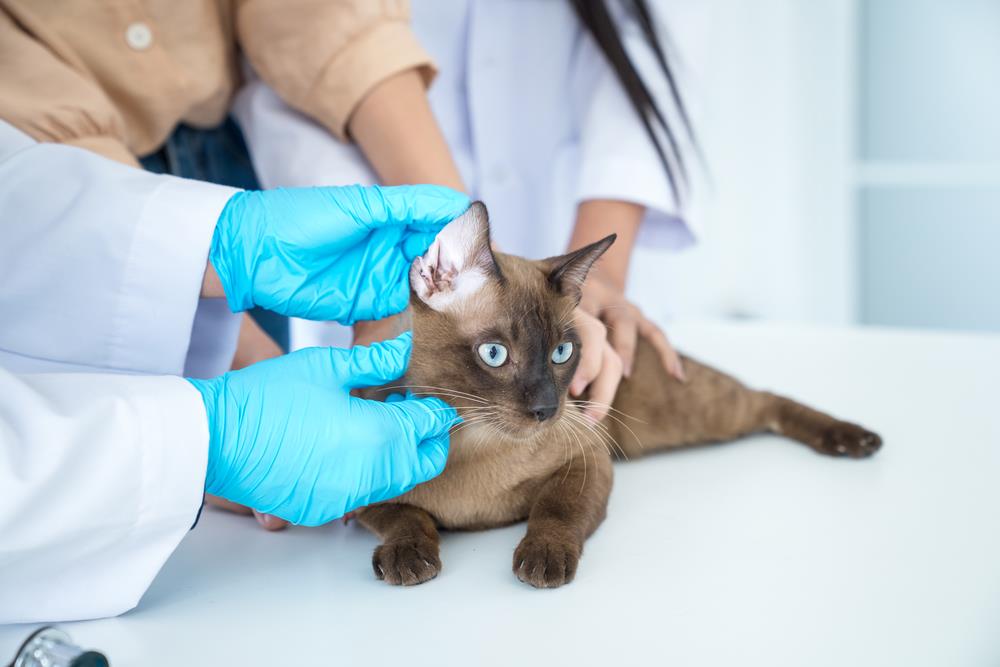
Spaying and neutering are routine veterinary surgeries that prevent reproduction and head off some serious health problems down the track. For most Australian pet owners they are among the most useful decisions you can make for a dog or cat, cutting the risk of certain cancers and infections while helping ease shelter pressure. They are still real operations with real aftercare, though, so the sensible choice depends on species, sex, breed, and how your animal actually lives. This is a plain look at what the procedures are, what they prevent, what they do not, and how to pick a good time with your vet.
What spaying and neutering actually mean
Both are forms of desexing, and the terms simply split by sex.
Spaying (female animals)
Spaying usually means removing both ovaries and the uterus (ovariohysterectomy). It prevents pregnancy and stops heat cycles. It also removes the organ that can develop pyometra, a serious uterine infection that can progress quickly and may be fatal without treatment.6
Neutering (male animals)
Neutering typically means removing both testicles (castration). It prevents reproduction and eliminates the risk of testicular cancer. It can also reduce some hormone-driven behaviours, though training and environment still matter.
Why desexing matters (and what it can realistically change)
Health benefits you can point to
- Prevents pyometra in females by removing the uterus and hormone-driven cycling that sets up the infection.6
- Reduces mammary tumour risk in females when done early, especially before the first heat. In cats, most mammary tumours are malignant, and early spaying is strongly protective.7
A common claim is that breast cancer is fatal in 50% of dogs and 90% of cats. The reality is more specific: in cats, around 80 to 90% of mammary tumours are malignant; in dogs, roughly half are malignant.7, 8 What matters for owners is that mammary disease can be aggressive, especially in cats, and spaying early reduces the risk.7, 8
Behaviour changes: what is likely, what is not
Desexing can reduce behaviours closely tied to reproductive hormones, such as roaming to find a mate and some urine-marking. It does not erase learned habits, fearfulness, poor socialisation, or boredom. Those tend to shift with training, enrichment, and routine, not surgery alone.
For female animals, spaying stops heat cycles, which means you will not see the heat-related behaviours and the attraction from males.
Population control and shelter pressure
Accidental breeding can start earlier than many people expect. Cats can breed from around four months of age, so waiting until later can quietly become already happened.2, 3 Early desexing is one of the practical tools used to reduce unwanted litters and the flow of animals into shelters.2
Timing: when to desex, and why advice varies
There is no single perfect age for every pet. Timing is a balance between:
- preventing an early, unplanned pregnancy (especially in cats),
- your pet's size, breed, and growth pattern,
- your ability to prevent roaming and mating,
- any medical risks your vet identifies at a pre-anaesthetic check.
Cats: often earlier than people think
In Victoria, Animal Welfare guidance notes that desexing is a routine surgery that can be done for cats from around 2 to 3 months, and other guidance commonly recommends doing it before puberty.1, 5 That early timing is largely about biology: cats can become fertile at roughly four months.2
Dogs: more individual, especially for large breeds
Many vets still commonly desex dogs around six months, but the best time can shift with breed, body size, and orthopaedic history. Some organisations and clinics note that later desexing may be recommended for some larger-breed dogs, so it is worth making this a deliberate conversation rather than a default booking.3
What the surgery day usually looks like
Before
Your vet will usually do a physical exam and may recommend pre-anaesthetic blood tests. You will be asked to fast your pet beforehand, and your clinic will give exact instructions.
During
Both procedures are performed under general anaesthesia with pain relief. Spays generally take longer than neuters because they involve abdominal surgery.
After
Most pets go home the same day. Expect sleepiness that night. The first week is mostly about keeping movement calm while the incision seals.
Recovery and aftercare
The small details are what prevent the big problems.
- Keep activity low for the period your vet recommends, often around 10 to 14 days for a spay.
- Stop licking with an e-collar or recovery suit if your pet worries at the wound.
- Check the incision daily for swelling, heat, discharge, gaping, or a bad smell.
- Call your vet promptly if your pet will not eat, seems unusually lethargic after the first day, is vomiting, or the wound looks worse rather than better.
Myths that keep circulating
It changes their personality
Desexing does not rewrite who an animal is. It can reduce some hormone-driven behaviours, but temperament is also shaped by genetics, learning, and the home environment.
A female should have one litter first
There is no health requirement for a first litter. If anything, delaying spaying increases the window for accidental pregnancy and increases lifetime exposure to reproductive hormones linked with mammary disease risk.7, 8
Risks and how vets manage them
Any anaesthetic and surgery carries risk, but desexing is a routine procedure in general practice. Risk is managed through pre-anaesthetic assessment, careful monitoring under anaesthesia, sterile technique, and effective pain control, plus clear aftercare instructions. The biggest preventable post-op issues are usually behavioural rather than medical: too much running and jumping too soon, or persistent licking that breaks down the incision.
Legal and cultural notes in Australia
Desexing rules vary by state and local council. Some jurisdictions have cat desexing requirements, and some councils use registration rules or fees to encourage desexing. If you are unsure, check your council's pet registration page and your state's current guidance.4
Cost and access
Pricing varies by clinic, species, sex, size, and whether your pet needs additional care, such as cryptorchid surgery for a male dog with an undescended testicle. If cost is the barrier, ask your local council about assistance programs and discounts, and check for community desexing programs in your area.2, 5
Alternatives, and why they are not the usual first choice
There are non-surgical options in some situations, for example hormone-based control in females, or vasectomy in males. These approaches can be more complex to manage, may not provide the same health protections as spaying, and some hormonal methods can carry meaningful side effects and risks. If you are considering alternatives, treat it as a vet-guided plan rather than an off-the-shelf fix.9
Final thoughts
Desexing is a quiet, practical intervention that changes the shape of a pet's whole life: fewer medical emergencies, fewer accidental litters, fewer high-stakes decisions made in a rush. The best timing is the one that fits your animal's biology and your real-world ability to prevent mating, agreed on with a vet who knows your pet.
References
- Animal Welfare Victoria, Early age desexing (cats)
- Animal Welfare Victoria, Desexing cats and dogs
- RSPCA WA, What age does a cat/dog need to be before they can be sterilised?
- RSPCA Knowledgebase, Is desexing mandatory for cats and dogs? (legislation summary)
- RSPCA Victoria, Desexing and breeding pets
- Merck Veterinary Manual (Dog Owners), Reproductive disorders of female dogs (pyometra)
- Merck Veterinary Manual (Professional), Mammary tumors in cats
- Merck Veterinary Manual (Dog Owners), Mammary (breast) tumors in dogs
- Merck Veterinary Manual, Prevention or termination of pregnancy in dogs and cats

Dog lover and writer at My Pets Australia, sharing practical breed guides and care advice for Australian pet owners.