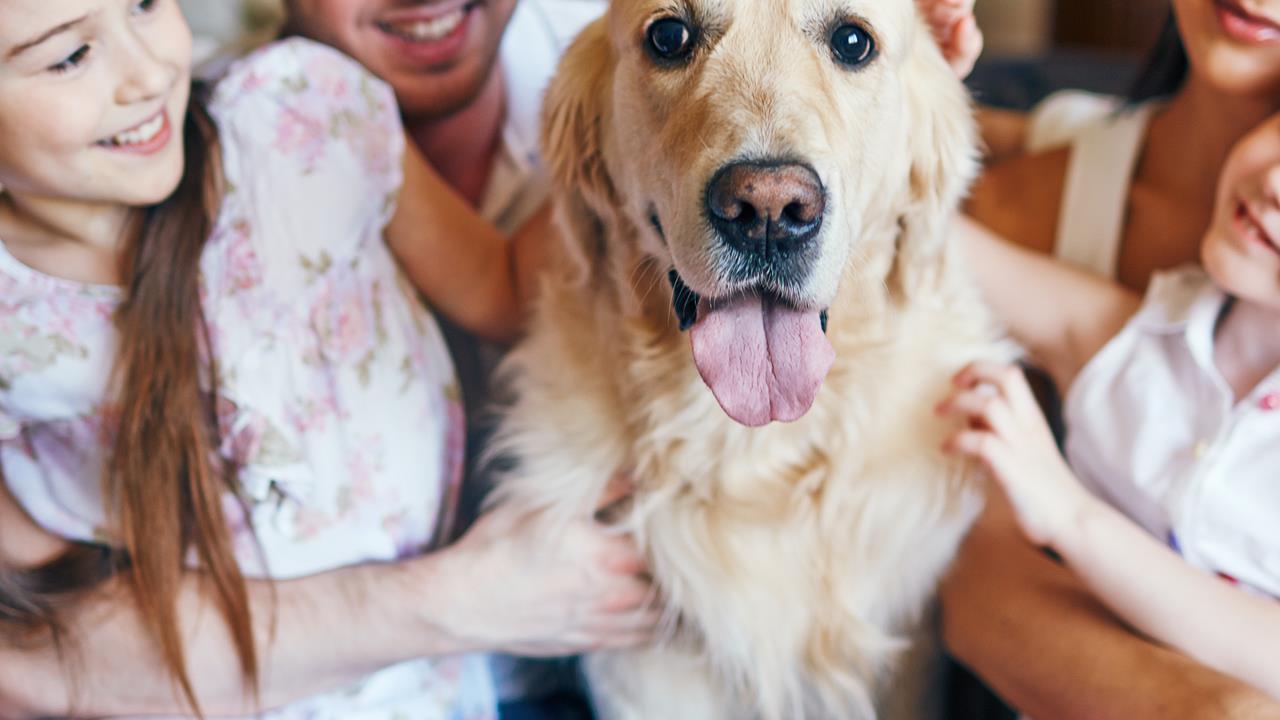
The Impact of Pets on Your Social Life

Pets shape social life in quiet, ordinary ways: a walk that turns into a chat at the gate, a familiar face at the dog park, a shared routine that gives the day some structure. The effects are real and observable, but they are not guaranteed and they are rarely magic. What tends to help is not the animal alone, but the repeated small moments that gather around it. The evidence below separates what is well supported from what is more hopeful than proven.
Pet ownership in Australia: a quick reality check
Australia has one of the highest rates of pet ownership in the world. Recent national survey data estimates about 73% of Australian households have a pet, with dogs in roughly half of households and cats in about a third.1
Those numbers matter because the social effects of pets are partly about density. The more people you pass on the footpath with a lead in hand, the more likely small interactions become.
The social benefits of owning a pet
Pets do not make friendships, but they give you a reliable reason to be outside, to keep a routine, and to share space with other people. In neighbourhood studies, pet owners are more likely to get to know people locally, and many report receiving practical or emotional support from people they met through their pet.2
Pets as social ice-breakers
A dog on a lead is a moving point of interest. People look, pause, ask a question, or offer a quick story about their own animal. These exchanges are brief, but they repeat, and repetition is how familiarity grows. Research describing pets as social catalysts has found ownership can be linked with more incidental conversations, new acquaintances, and sometimes new friendships and support networks.2
Pets and mental health: where the evidence is strongest
The mental health story is mixed in its details, but there is steady evidence that interacting with animals can reduce stress physiology in many settings. Reviews of human and animal interaction research report associations with lower stress-related measures (including cortisol), and improvements in mood and social behaviour in some groups.3
Dog-focused research also supports a biological downshift during contact, with findings across studies consistent with a reduced stress response and increased relaxation-related pathways. The same reviews note that methods and contexts vary, so the results should not be overstated.4
Loneliness and connection: what a pet can and cannot do
Pets can soften the sharp edges of being alone by adding companionship and routine, and by increasing the chances of low-pressure social contact, especially for dog owners.2 They do not replace human relationships, though, and they cannot reliably fix loneliness on their own. For some people the extra responsibility, cost, or worry can add strain. The best outcomes tend to appear when the pet fits the household's time, finances, housing rules, and support network.
Pets as social network builders
Social life around pets often grows from predictable, shared locations:
- Walking routes and local parks (repeat sightings turn strangers into familiar faces)
- Vet clinics, training classes, grooming salons (brief, practical conversations that can deepen over time)
- Community noticeboards and local groups (lost-and-found posts, recommendations, informal help)
In a multi-site study that included Perth, pet owners were more likely to get to know people in their neighbourhood than non-owners, and a substantial minority reported receiving forms of social support through these pet-facilitated connections.2
Pets and relationship building at home
Inside a household, pets shape social life through shared care: feeding, cleaning, training, exercise, and planning holidays around animal needs. For some families that becomes a gentle daily teamwork exercise rather than a grand bonding event. It can cut both ways, though. If the care load is uneven, or the animal's behaviour creates friction (barking complaints, reactive walking, destructive chewing), the pet may add stress rather than connection. The social benefits tend to arrive when the pet's needs and the household's capacity match.
Emotional support animals: definitions and realistic expectations
Many people describe their pets as emotional support, and that is often true in an everyday sense: steady company, tactile comfort, and routine. Clinically, emotional support animal can also be a specific designation in some settings, and it is not the same as a trained assistance dog. What the research supports most consistently is that human and animal interaction can reduce stress responses and support calmer states in some contexts.3, 4
Stress and anxiety in social situations
A pet can lower the social entry cost of being out in public by giving you something to do with your hands, a reason to leave the house, and a predictable script for small talk. Physiological studies also suggest human and dog interaction can be associated with reduced cortisol and other stress-linked changes, depending on context and individual differences.4
The impact of pets on children's social development
Claims that pets automatically improve children's empathy and social skills are often repeated, but the evidence is more nuanced. Some large cohort studies have found associations between pet ownership and fewer peer problems or emotional symptoms in children. These are associations rather than proof of cause, and family factors matter.5
More recent longitudinal work focusing on dog ownership specifically found overall effects were small, with some differences by sex and by changes in dog ownership over time.6 Outside Australia, cohort research has reported mixed findings: some aspects of social development may be positively associated with pet ownership, while broader emotional or educational outcomes do not consistently improve and can vary by context.7
When pet ownership can limit social life
The same bond that draws people out can also narrow options. Common pinch points include:
- Housing constraints (pet restrictions, strata rules, limited rentals)
- Time and routine (exercise, separation distress, training needs)
- Costs (food, vet care, emergency expenses)
- Behaviour challenges (reactivity, noise complaints, fearfulness)
There are also serious situations where pets become a barrier to safety. Australian research and practice guidance notes that fears for pets can keep victim-survivors in harmful relationships, and that threats or harm to animals can be part of domestic and family violence dynamics.8
Conclusion: the social impact of pets, in plain terms
Pets often change social life through steady, repeatable contact with the world: short conversations, shared routines, and a reason to be present in public spaces. Research supports the idea that pets can facilitate neighbourhood connection and social support, and that human and animal interaction can reduce stress markers in many contexts.2, 3, 4 The strongest benefits appear when the animal's needs fit the household, and when pet life adds structure rather than strain. A pet will not guarantee new friends, but it can make the path to everyday connection more visible, and easier to walk.
References
- Animal Medicines Australia, Pets in Australia: A national survey of pets and people (2025)
- Wood L et al. (2015) The pet factor, companion animals as a conduit for getting to know people, friendship formation and social support. PubMed
- Beetz A et al. (2012) Psychosocial and psychophysiological effects of human-animal interactions: the possible role of oxytocin. PubMed
- Rodriguez KE et al. (2022) Psychophysiological mechanisms underlying the potential health benefits of human-dog interactions: a systematic literature review. PubMed
- Christian H et al. (2020) Pets are associated with fewer peer problems and emotional symptoms, and better prosocial behavior: findings from the Longitudinal Study of Australian Children. PubMed
- PLAYCE cohort study (2024) Effects of dog ownership on children's social-emotional development. PubMed
- BMC Pediatrics (2024) Companion animals and child development outcomes: longitudinal and cross-sectional analysis of a UK birth cohort study
- Australian Institute of Family Studies (17 April 2024) Fears for pets a barrier to escaping family violence

Dog lover and writer at My Pets Australia, sharing practical breed guides and care advice for Australian pet owners.