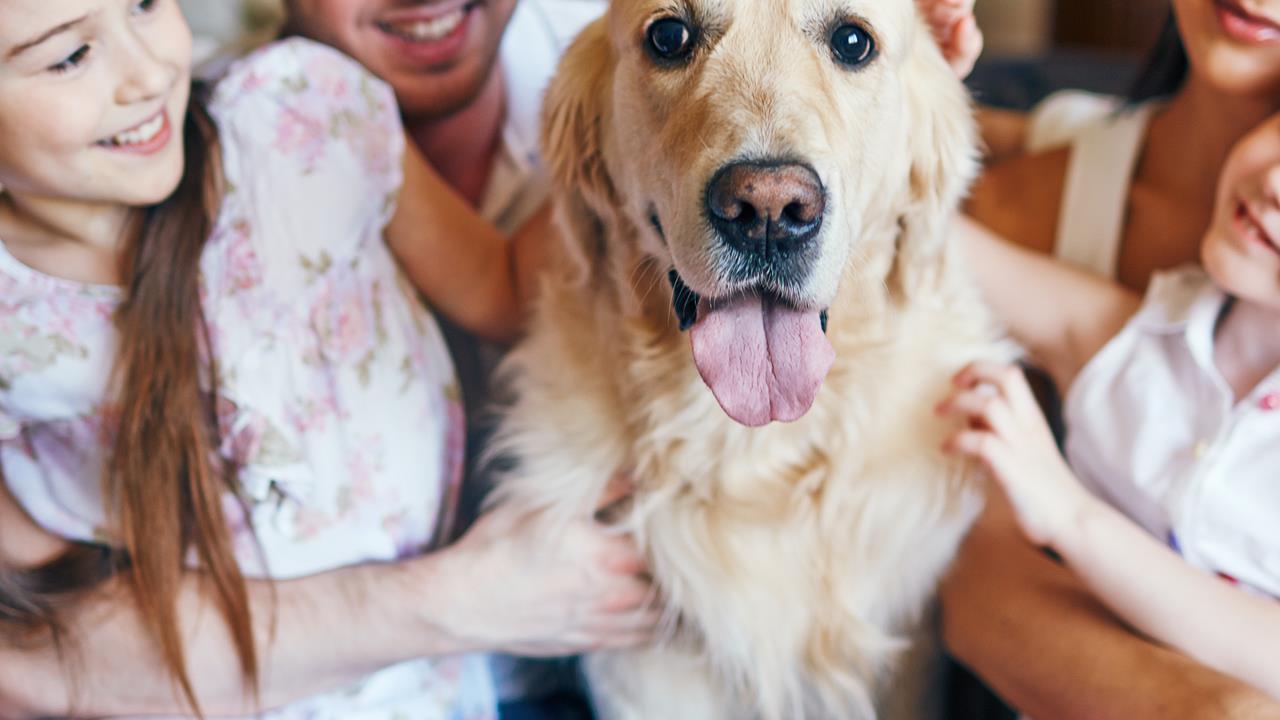
The Essential Starter Kit: What Every New Pet Owner Needs
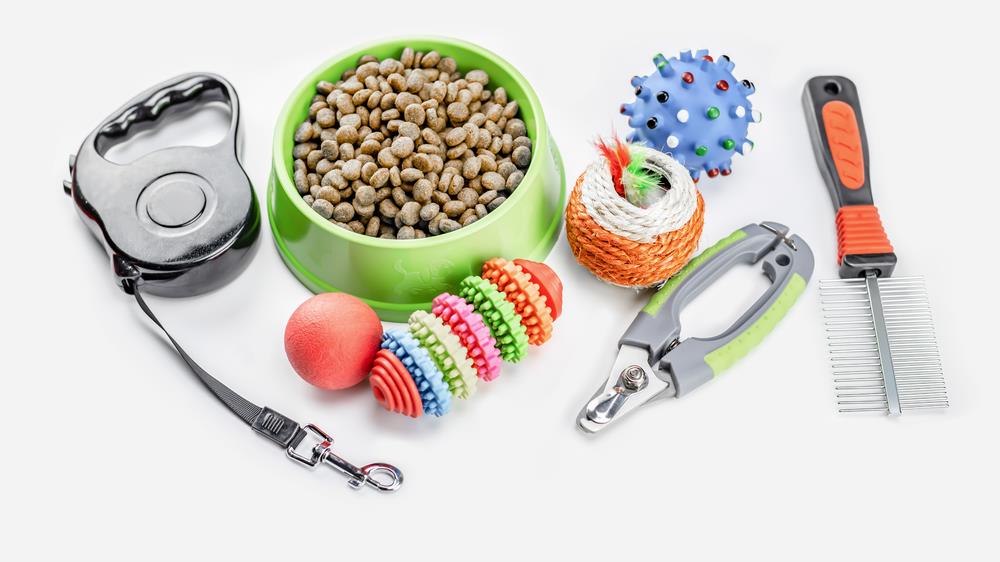
A good starter kit covers six things: food and water, a safe home base, preventative health care, hygiene, enrichment, and identification. Get those sorted before the animal arrives and the first few weeks are far calmer for everyone. Most early problems, poor diet choices, unsuitable housing, boredom behaviours, and lost pets, come from leaving the basics until later. It is also a genuine commitment, so the aim is to reduce uncertainty rather than buy everything in sight. The lists below cover what new owners actually need, plus a few quiet checks that head off the common issues.
Preparation: what to sort before day one
A good start is mostly about reducing uncertainty. Have the essentials on hand, book the first vet visit early, and set up one safe home base where your pet can settle without being handled constantly.
- Choose a primary vet and schedule an initial health check, even if your pet came vaccinated and desexed.
- Plan your routine: feeding times, toilet breaks, play and exercise, quiet time, and where the animal sleeps.
- Do a quick safety sweep: loose cords, medications, toxic plants, gaps in fences, open balconies, and small items that can be swallowed.
Choosing the right pet: match the animal to the household
Different species, and different breeds within a species, fit very different lives. The easiest pet to care for is usually the one whose needs match your home, your time, and your budget. Before committing, check:
- Time and supervision, especially in the first month.
- Space and housing limits: rentals, body corporate rules, yard security, and noise tolerance.
- Grooming and handling needs: some animals need frequent brushing, nail trims, coat care, or a specialist setup.
- Long-term costs: food, parasite control, registration, vaccinations, desexing, grooming, and unexpected illness.5
Dogs tend to need daily exercise, training, and close supervision early on. Cats often cope with more quiet time, but still need enrichment, safe territory, and regular health care. Birds and small mammals need complex environments and daily stimulation. Fish need stable water conditions and an established setup before they thrive.
Food and water: the quiet foundation
Start with a nutritionally complete diet suited to your pet's life stage (young, adult, senior) and health needs, then adjust with your vet as you learn what your individual animal does best on. Online nutrition advice is often confident and wrong, so use reputable guidance and ask your vet to help choose a food that is appropriate and consistent.2 Fresh, clean water should be available at all times, and for many pets keeping bowls clean matters as much as refilling them.
Puppies and kittens generally need more frequent meals than adults, and their needs change quickly as they grow. If you are unsure, bring the food label (or a photo) to your first vet appointment and ask for a feeding guide that matches your pet's age and body condition.
Must-have feeding and watering tools
- Food and water bowls: stainless steel or ceramic are easy to clean and tend to last.
- Measuring scoop or kitchen scales: portion creep is common, especially with treats.
- Food storage container: keeps dry food fresh and helps deter pests.
- Water bottle or sipper: useful for some small mammals, but still check daily for blockages and leaks.
Comfort and housing: beds, crates, cages, and tanks
Housing is more than somewhere to put a pet. It is where they retreat when they are tired, overstimulated, or unsure, and the right setup makes calm behaviour easier while reducing escape attempts. Choose housing that is:
- Right-sized: room to move naturally, stretch, and rest comfortably.
- Safe and secure: reliable latches, no sharp edges, no toxic materials.
- Easy to clean, because you will clean it often.
- Placed well: away from constant foot traffic, direct heat, and loud, sudden noises.
What to buy for comfort
- Bed and washable bedding, with a spare set ready.
- Crate or pen: for many dogs, a managed rest space helps with settling and toilet training.
- Species-specific housing for birds, small mammals, reptiles, and fish. Research the minimum enclosure and environmental needs before you buy the animal.
Health planning: vet care, vaccinations, and prevention
Routine veterinary care is part of responsible ownership, not just a response to emergencies. Early appointments are especially useful for first-time owners: you can confirm vaccination status, check for parasites, discuss desexing, and get practical advice on feeding and behaviour while problems are still small.
Vaccination needs depend on age, lifestyle, and local risks, but most puppies and kittens need a primary course starting from around 6 to 8 weeks of age, followed by boosters, then an adult schedule guided by your veterinarian.6, 7
Starter health supplies
- Parasite prevention (flea, tick, worm, and where relevant heartworm): follow your vet's recommendations for your region and your pet's species.
- Pet first aid kit, plus the phone number of your nearest emergency vet.
- Carrier for cats and small pets: sturdy, well ventilated, and easy to clean.
Hygiene and grooming: clean coat, clean skin, early detection
Grooming is not cosmetic. It is a simple way to prevent matting, reduce some skin problems, and notice changes early: lumps, sore spots, parasites, sore ears, or a sudden change in coat quality.4
Essential grooming tools
- Brush or comb suited to the coat type: ask your vet or groomer if you are unsure.
- Nail clippers or a grinder, plus styptic powder for accidents.
- Pet-safe shampoo: avoid human products unless your vet advises otherwise.
- Toothbrush and pet toothpaste: start gently, as consistency matters more than perfection.
Keep a simple rhythm going. Brush often enough to prevent knots and check the skin, keep bedding clean and dry, and watch ears, paws, and teeth, because small issues build quietly.
Training, enrichment, and toys: shaping calm behaviour
Most naughty behaviour in new pets is unmet need: boredom, excess energy, fear, or confusion about the household rules. Enrichment helps animals practise natural behaviours safely, and training gives them predictable ways to succeed.
Choosing suitable toys and training tools
- Chew-safe items for dogs that need to mouth and teethe: choose sizes that cannot be swallowed.
- Food puzzles to slow eating and add mental work.
- Interactive cat toys that encourage stalking and pouncing.
- Basic training rewards: small, easy-to-eat treats, or part of the daily food allowance.
Three training principles hold up. Be consistent with the same cues, rules, and rewards. Keep sessions short and stop while the pet is still engaged. Set the environment up so barriers, pens, and routine prevent mistakes becoming habits.
Safety and identification: collars, microchips, and lost pets
Escapes happen during the messy early days: an open gate, a visitor, a slipped lead. Identification is what turns an escape into a quick reunion. The minimum safety kit for dogs and cats is a well-fitted collar or harness with a sturdy lead, an ID tag with your phone number, and a microchip registered with current contact details.8, 9
Microchips only work as intended when the registry details are accurate and accessible. Keep your contact details up to date, and if you are unsure which database holds your pet's record, ask your vet or shelter for help. In early 2025, pet owners were advised to check registrations if their microchip was listed with HomeSafeID, which announced it would cease operating online, a reminder that records need maintenance, not just implantation.10
The starter kit checklist
- Food and water: appropriate diet, bowls, measuring scoop, storage, fresh water access.2
- Home base: bed and bedding, crate or pen where relevant, species-appropriate housing.
- Health: vet appointment booked, vaccination plan, parasite prevention, carrier, first aid basics.6, 7
- Hygiene: brush or comb, nail care, pet-safe shampoo, cleaning supplies.
- Enrichment: safe toys, chew items, food puzzles, training rewards.
- Safety and ID: lead, collar or harness, ID tag, microchip and updated details.8, 9
Responsible pet ownership: the long view
Pets change the shape of a household in small, daily ways: routines tighten, floors get cleaned more often, and weekends get planned around exercise, feeding, and care. The reward is real, and so is the responsibility. Done well, the basics become quiet background: steady food and water, safe housing, preventative health care, and enough stimulation to let the animal's natural behaviour unfold without friction. Many owners notice something else along the way, a calmer rhythm, a reason to go outside, and steady companionship that can be good for human wellbeing too.1
References
- healthdirect (Australian Government-funded), Health benefits of having a pet
- World Small Animal Veterinary Association (WSAVA), Global Nutrition Guidelines
- British Small Animal Veterinary Association (BSAVA), Companion animal nutrition (position statement)
- RSPCA Pet Insurance, Considerations when choosing a dog (includes grooming and health points)
- RSPCA NSW, Costs of owning a pet (guide)
- RSPCA Pet Insurance, Vaccinations for your pet (core vs non-core, schedules)
- RSPCA Australia, What you need to know about pet vaccinations
- RSPCA Australia, Microchipping
- RSPCA Knowledgebase, Is microchipping mandatory for cats and dogs? (by state and territory)
- RSPCA Veterinary Hospital, Important update: Pet microchipping (HomeSafeID closure notice)

Dog lover and writer at My Pets Australia, sharing practical breed guides and care advice for Australian pet owners.