The Do's and Don'ts of Pet Discipline

Discipline is one of the most useful things you can get right with a pet, and most of it is prevention rather than correction. Clear boundaries, calm communication and rewards that make sense to the animal will head off the majority of problems before they start. When something does go wrong, the safest response is to manage the situation, teach an alternative behaviour, and steer clear of anything that relies on fear or pain. The stakes are quietly real: push too hard and you can end up with a frightened animal and a bigger problem, but do nothing and the behaviour becomes a habit.1, 2, 3
Establishing boundaries that your pet can actually follow
Boundaries work best when they are simple, visible, and the same every day. Animals learn patterns: what earns access, attention, food, play and comfort. If the pattern shifts from person to person, or from weekday to weekend, the behaviour shifts too. Choose rules that fit your home and your animal. A young, energetic dog may need a clear four paws on the floor greeting routine, while a cat that gets overstimulated may need shorter play sessions and predictable breaks.
Tips for setting boundaries
- Decide the rule first, then train it. For example, "no jumping on people" is clearer than "be good".
- Make the desired behaviour easy. Use baby gates, leads, closed doors, scratching posts and food puzzles, and set the room so success is the default.3, 5
- Keep the consequence consistent. If jumping never earns attention, it fades faster. If it sometimes earns a pat, it persists.
- Start with short, winnable moments. Train when your pet is a little hungry, a little calm, and not already over threshold.
Positive reinforcement: the engine behind reliable behaviour
Positive reinforcement means adding something your pet values right after a behaviour you want, which makes that behaviour more likely to happen again. Done well, it is quiet, precise and humane, less about treats forever and more about making the right choice pay off.1, 4
Behaviours worth rewarding early
- Checking in (eye contact, coming closer, orienting to you) in distracting places.
- Calm greetings with four feet on the ground, or sitting to say hello.2
- Handling tolerance (brief touch, grooming, harness or collar) paired with rewards.
- Appropriate play (taking breaks, chewing toys, gentle mouths) rather than rough contact.
Choosing rewards that actually work
Rewards are personal. Some animals work for food, others prefer a tug toy, a ball throw, a scratch in the right place, or access to the yard. Use what your pet finds genuinely rewarding, and deliver it quickly, within a second or two of the behaviour.2, 4
Why physical punishment and aversive tools backfire
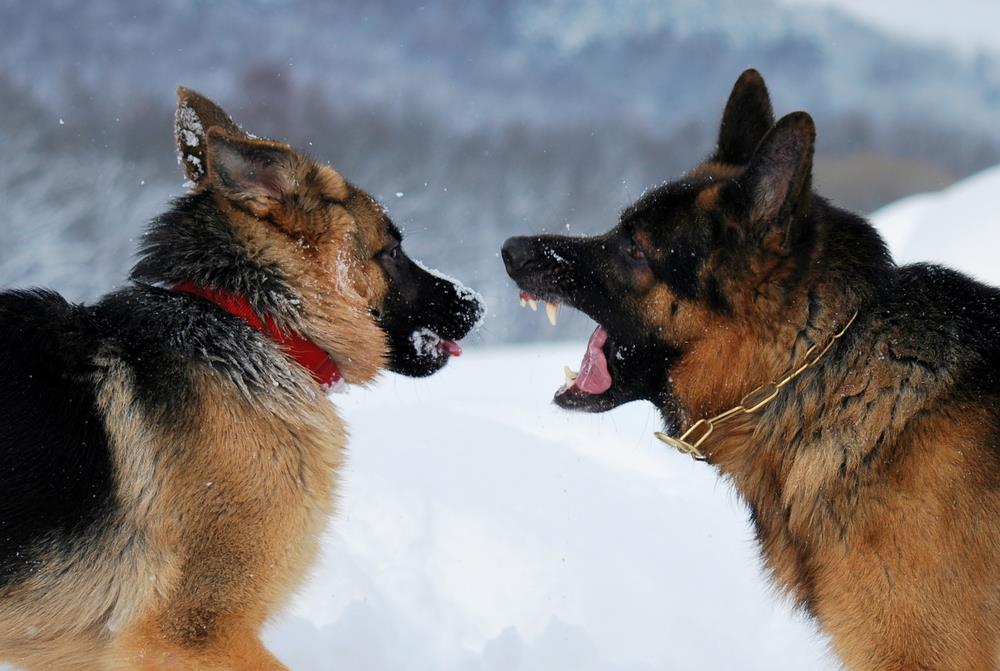
Hitting, scruffing, alpha rolls, yelling, leash jerks, shock collars and similar methods can suppress a behaviour without teaching what to do instead. They also raise the risk of fear, stress and aggression, and can damage the trust that makes training possible.1, 3, 5 One of the quieter dangers is that punishment can reduce warning signals. A dog that has learned it gets punished for growling may skip the growl next time and go straight to a bite.5
Safer alternatives to punishment
- Reinforce an alternative: teach "sit" for greetings, "mat" for doorbell excitement, "leave it" for scavenging.2, 4
- Remove access to the reward: if mouthing begins, play stops for a few seconds; if barking at the window begins, block the view.3
- Redirect early: offer a chew, a toy, a sniff walk, or a simple cue before your pet tips into the unwanted behaviour.
- Use brief time-outs correctly: not isolation out of anger, just a short, calm reset where the exciting thing pauses.
Clear communication: cues, timing and body language
Animals do not generalise the way humans do. A cue needs to mean one thing, delivered the same way, and followed by the same outcome. Tiny differences matter: a cue said once versus repeated five times, or a reward delivered immediately versus ten seconds later. Body language carries a lot of weight too. Leaning over a dog, reaching directly for the head, or looming in a doorway can change the whole meaning of "come here". Watch what your pet does with their eyes, ears, tail, posture and movement, then adjust your approach so they can stay comfortable enough to learn.3
Practical communication habits
- Use one cue per behaviour (for example, "down" always means lie down).
- Reward the first correct response, especially while learning.
- Stop repeating cues. If it did not work, make it easier, reduce distractions, or reset.
- End on a win. Two good repetitions beat ten messy ones.
Consistency: the invisible fence that holds training together
Consistency is not harshness. It is predictability. When everyone in the household responds the same way, the animal's world stops shifting under their feet and learning speeds up. When rules change by person, mood or time of day, unwanted behaviour often becomes more persistent.
Ways to stay consistent without becoming rigid
- Agree on the household rules (furniture, greetings, feeding, play intensity).
- Pick default responses for common problems (jumping, barking, stealing food) and stick to them.
- Train in small doses so you can stay calm and accurate.
Patience, and the reason behind the behaviour
Many naughty behaviours are simply normal behaviour in the wrong place: chewing, chasing, digging, vocalising, scratching. Training works better when you meet the underlying need in a safer form, with chews for chewers, scent games for sniffers, scratching posts for scratchers, and structured play for high arousal. If a behaviour changes suddenly, looks out of character, or comes with signs of pain or illness, treat it as a health question first. A veterinary check can rule out problems that make training impossible, such as pain, sensory decline, or medical conditions affecting behaviour.3
Training techniques: dos and don'ts
Do
- Use reward-based training as your foundation.1, 2, 3
- Manage the environment so unwanted behaviour is harder to practise (gates, leads, enrichment, blocked sightlines).3, 5
- Use desensitisation and counterconditioning for fear, reactivity and handling issues, with small steps paired with good things.3
Don't
- Rely on intimidation or pain (including shock, prong and choke collars, alpha rolls, hitting, or dominance techniques).1, 3, 7
- Punish warning signals like growling or hissing. Treat them as information: your pet is uncomfortable and needs help, space, or a different plan.5
When to get professional help
Some problems are best handled early, while they are still small and predictable. Seek professional support if you are seeing aggression (or near misses), fear that is escalating, separation-related distress, compulsive behaviour, or anything that feels unsafe. Start with your vet to rule out medical causes, then ask for a referral to a qualified trainer or behaviour professional who uses reward-based methods. If a trainer recommends aversive tools or explains behaviour mainly through dominance, keep looking.3, 6
References
- American Veterinary Society of Animal Behavior (AVSAB), Why you need to reward your dog in training (reward-based methods and welfare concerns with aversives)
- RSPCA Knowledgebase, What is reward-based dog training and why does the RSPCA support it?
- American Animal Hospital Association (AAHA), 2015 Canine and Feline Behavior Management Guidelines: Changing Behaviors (including opposition to aversive techniques)
- RSPCA Australia, What you need to know about positive dog training
- AVSAB position statement (reproduced), The use of punishment for behavior modification in animals
- AAHA, Canine and Feline Behavior Management Guidelines (overview and behavioural problems context)
- British Small Animal Veterinary Association (BSAVA), Position statement on aversive training methods
- RSPCA Pet Insurance, Positive reinforcement training (examples and rationale)

Dog lover and writer at My Pets Australia, sharing practical breed guides and care advice for Australian pet owners.