The Complete Guide to Pet Grooming
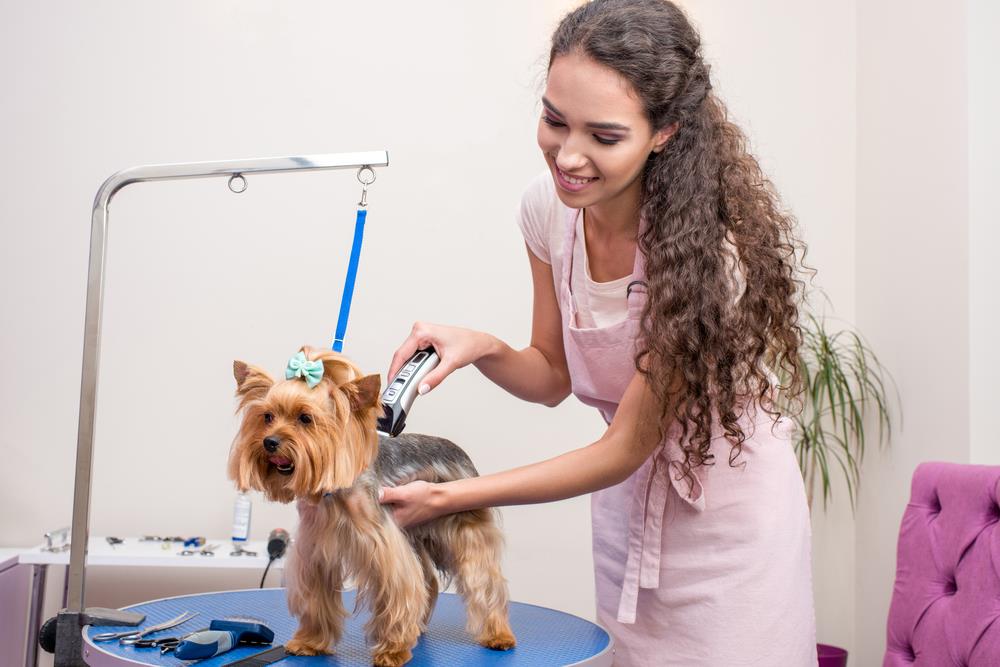
Grooming keeps a pet's coat and skin in good shape, and it doubles as a regular health check you do with your hands. As you brush, bathe, and trim, you notice what is new: a lump, a sore spot, fleas, ticks, or an ear that looks red. Skipped for weeks at a time, small problems can quietly turn into matted coats, infected ears, cracked pads, or painful dental disease. The sections below cover what to do at home, what to avoid, and when the job is safer in the hands of a vet or a professional groomer.1, 2
Why grooming matters beyond looks
Grooming is less about a neat appearance and more about comfort and health. It removes loose hair, dirt, dead skin and grass seeds, and it helps prevent knots and mats that pull painfully on the skin. It is also a natural moment to spot what has changed: a lump, a patch of hair loss, fleas, ticks, redness between the toes, or a difference in the eyes or ears. Catching those early is the real value of a steady routine.1, 2
Know what you are grooming: coat, skin, and tolerance
How often you groom depends on coat type, lifestyle, and how your pet copes with handling. A short, smooth coat may only need occasional brushing, while long or double coats often need more frequent work to prevent mats and manage shedding.1
Start with a quick scan each time:
- Skin: redness, scabs, dandruff, odour, moist spots, or parasites
- Coat: knots forming behind the ears, in the armpits, under collars, and around the tail base
- Comfort: flinching, head shaking, pawing at the ears, or avoiding touch
Tools that do the job
Match the tool to the coat. The goal is to lift loose hair and untangle gently, not scrape the skin.
- Brush and comb: a slicker brush and a comb help you find small tangles early, while a bristle or rubber brush suits many short coats.4
- Nail clippers or grinder: pet-specific tools are safer and easier to control.
- Shampoo: use a product made for dogs or cats, because human shampoo can irritate their skin.3
- Good light and a non-slip surface: reduces slipping and sudden panic.1
Setting up a calm grooming spot
Pick a quiet, well-lit area with a towel or non-slip mat. Keep everything within reach before you start, so you are not stepping away mid-task. Use small breaks, steady handling, and food rewards if your pet finds grooming difficult.1
Brushing by coat type
Short coats
Short coats usually do best with gentle, regular brushing that removes loose hair and spreads natural oils through the coat. Keep the pace slow and even, with light pressure.1
Long, thick, or mat-prone coats
Long coats can mat quickly, especially where there is friction. Work in small sections. Use a comb to find tangles close to the skin, then a slicker brush to tease them out. If mats are tight against the skin, painful, or widespread, it is often safer to book a groomer or vet than to cut them out at home.4
Brushing technique that protects the skin
- Brush in the direction of hair growth, using light pressure.
- For tangles, hold the hair near the skin with your fingers to reduce pulling, then work from the ends back towards the base.
- Stop if the skin looks red, the pet is resisting strongly, or you are tempted to use scissors close to the skin.
Bathing without the stress
Baths are for dirt and odour, not for constant cleanliness at all costs. Over-washing can dry out the skin. When you do bathe, use a pet-specific shampoo and rinse thoroughly, because leftover product is a common cause of itchiness.1, 3
Bathing steps that help most pets cope
- Brush first to remove loose hair and tangles, since mats tighten when wet.4
- Use lukewarm water and keep it shallow.
- Avoid the eyes and ears, and use a damp cloth for the face if needed.1
- Rinse for longer than you think you need to.
- Towel dry well and keep your pet warm while they dry off.1
Nail trimming: small, regular, and careful
Long nails can split, catch, and change the way a pet walks. Check them often, including the dewclaws, and trim only a small amount at a time to avoid the quick, which is the blood vessel and nerve inside the nail. If you are unsure, ask your vet to show you once in person, because the angle makes all the difference.1
A safer nail-clipping routine
- Start when your pet is relaxed. Handle the paws briefly, then reward.
- Trim a thin slice from the tip, then reassess.
- For dark nails, go extra slowly, because the quick is harder to see.
- If you do not feel confident, stop and book a vet or groomer.
Paws and pads: the quiet trouble spots
Paw pads collect grass seeds, burrs, salt, sand and small cuts. Check between the toes and around the pads, especially after long walks or time in scrub. Trim excess hair between the pads if it traps debris, and see a vet if there is persistent licking, swelling, or a limp.1
Dental care: the part pets cannot manage alone
Dental disease, also called periodontal disease, is extremely common in pets, and it often starts under the gumline where you cannot see it. Many dogs show signs by around three years of age, and small dogs are often affected earlier and more severely.8, 9 Home toothbrushing helps, but it does not replace a proper veterinary dental assessment once disease is present. If your pet has bad breath, red gums, visible tartar, or pain when eating, book a vet check rather than trying to scrub it off at home.6
A note on anaesthesia-free dental cleaning
Non-anaesthetic dental scaling is widely cautioned against by veterinary dental authorities. It cannot safely clean under the gumline or properly assess disease, and it may give a false sense that the mouth is healthy.6, 7
Ears and eyes: less fiddling, more observation
Healthy ears often do not need regular cleaning. If there are signs of trouble, such as head shaking, scratching, discharge, redness, swelling, sensitivity, or a strong smell, see your vet. Putting products into healthy ears can sometimes cause problems rather than preventing them.1
Eyes should look clear and bright. New redness, discharge, squinting, or one eye held closed is a reason to seek veterinary advice quickly, because eye problems can worsen fast.1
If your vet has advised ear cleaning
Use only a vet-recommended ear cleaner, follow the label, and never insert cotton buds into the ear canal. Fill the canal as directed, massage the base of the ear, let your dog shake, then wipe what comes out from the outer ear with cotton or gauze.1, 10
Professional grooming versus home grooming
Home grooming suits regular brushing, basic bathing, and routine checks, especially when it is started early and kept gentle. Professional grooming, or your vet, is often the safer option when:
- mats are tight to the skin or widespread
- your pet becomes distressed or defensive during grooming
- you need clipping close to the skin, or around the eyes, ears, or sanitary areas
- there are skin infections, ear problems, or painful nails
Some tasks look simple until they are not. A steady professional hand can prevent cuts, torn nails, and the kind of stress that makes future grooming harder.2
References
- RSPCA Pet Insurance (Australia), Guide to dog cleaning and grooming
- RSPCA Pet Insurance (Australia), How often should you groom your dog?
- RSPCA Knowledgebase, Can I use human shampoo to wash my pet?
- ASPCA, At-Home Pet Grooming: Top tips and recommendations
- American Animal Hospital Association (AAHA), Healthy Mouth, Healthy Pet: Why dental care matters
- AAHA, Your pet's dental care (including anaesthesia-free cleaning guidance)
- American Veterinary Dental College (AVDC), Anaesthesia-free pet dental cleanings: know the facts
- The Animal Medical Center, Periodontal disease in dogs
- Australian Veterinary Association (AVA) via Vet Voice, Dental disease in pets over age 3 (media release)
- RSPCA Victoria Shop, PAW Gentle Ear Cleaner (directions and precautions)

Dog lover and writer at My Pets Australia, sharing practical breed guides and care advice for Australian pet owners.