The Benefits of Regular Grooming for Pets
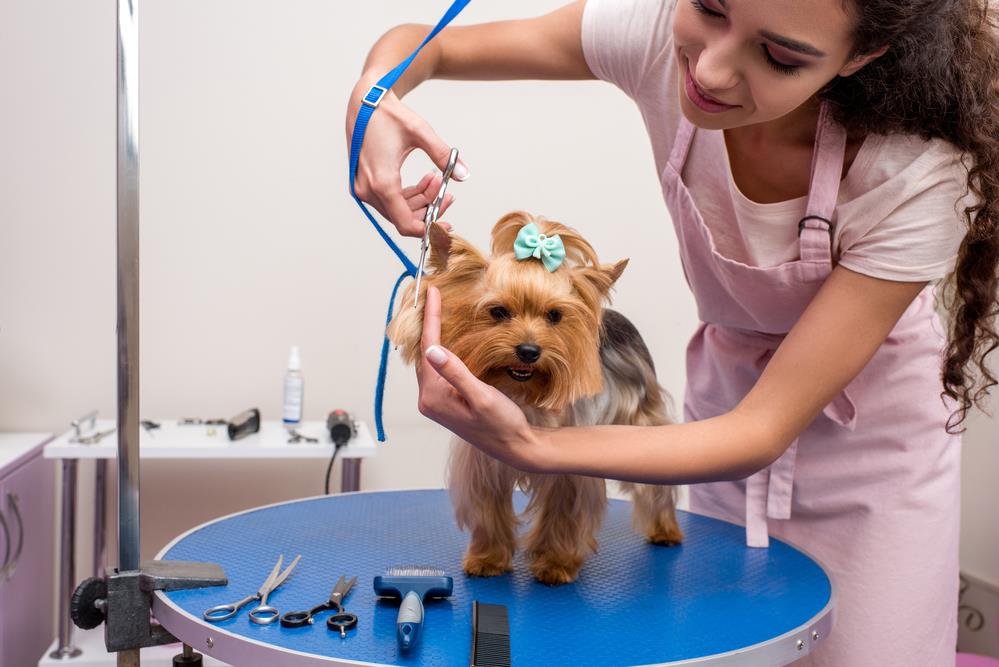
Grooming keeps a pet comfortable, and it doubles as a health check you can do at home. A few minutes of brushing, a quick look in the ears and mouth, and the occasional nail trim keep coats free of tangles, cut down on shedding, and let you catch problems early. Skin infections can simmer under a thick coat, ear trouble builds quietly, and dental disease often stays hidden until it hurts. The practical value is prevention: spotting lumps, parasites, sore spots, or bad breath well before they turn into expensive or painful problems.1, 2, 5
What grooming actually covers
Pet grooming is a bundle of small maintenance tasks. Some are about cleanliness, but most are about comfort and prevention: keeping the coat free of tangles, nails at a safe length, ears clear of irritant build-up, and teeth as clean as a pet will allow.
It also creates a regular moment when you are close enough to notice changes. New lumps, patches of redness, tender areas, grass seeds caught in fur, fleas, ticks, or a smell coming from the ears or mouth all tend to show up during a routine brush.1, 2
Two misconceptions worth dropping
The first is that only long-haired pets need grooming. Short coats shed too, and skin problems do not ask permission based on hair length. Short-haired pets often benefit from regular brushing to remove loose hair and keep the coat and skin in good condition.1, 3
The second is that grooming is just about looking nice. A tidy coat is a side effect. The bigger value is noticing problems early and preventing avoidable discomfort: matting that pulls on the skin, nails that grow into awkward angles, or teeth that quietly slide into periodontal disease.2, 6
Coat care: appearance follows health
Brushing removes loose hair, dirt and flakes, helps prevent tangles and matting, and spreads natural oils along the hair shaft. Over time that often makes the coat look glossier, but the more important change is that the skin underneath stays aired, easier to inspect, and less likely to hide irritation.1, 2, 4
Matting is not harmless. Dense mats can trap moisture and debris against the skin, and they can be genuinely uncomfortable, especially in high-friction areas like the armpits, groin, under the collar, and behind the ears.2, 4
Grooming as early detection
Most pets do not advertise minor pain, and many problems start small. A consistent grooming routine gives you a chance to pick up changes early, including:
- lumps and bumps
- red, inflamed, or flaky patches of skin
- parasites (fleas, ticks) and flea dirt
- grass seeds, burrs, and small wounds hidden in the coat
- ear discharge, odour, or irritation around the ear opening
- bad breath, red gums, or visible tartar build-up2, 6
If you find something new and you are not sure what it is, take a clear photo and contact your vet. With lumps, ears, eyes and mouths, waiting to see how it goes often just means seeing it later, and worse.
Comfort: nails, ears, and teeth
Overgrown nails can make walking awkward and can split or catch. The RSPCA notes that a practical guide is to trim before nails start touching the ground when the dog is standing or walking, and to remember dew claws, which do not wear down with exercise.2
Not every pet needs routine ear cleaning, and aggressive cleaning can irritate sensitive ear canals. What does help is regular inspection: look for discharge, redness, swelling, or smell, and ask your vet what normal looks like for your animal.1, 2
Dental disease is common and tends to build quietly under the gumline. By around three years of age, most dogs and cats have some level of periodontal disease, often unnoticed at home.6
Home toothbrushing with pet-safe toothpaste, introduced gently, can help, but it does not replace a proper veterinary oral exam. If your pet has bad breath, visible tartar, bleeding gums, or seems reluctant to chew, book a check-up rather than trying to scrub it off.6, 7
Allergens and infections: what grooming can and cannot do
Regular brushing can reduce loose hair and dander in the coat, which may help lower what gets shed into the home.1, 4
It is not a cure for allergies, and it will not prevent every ear or skin infection. But it can reduce some triggers such as mats, trapped debris, and heavy shedding, and just as importantly it helps you notice the early signs before a mild itch turns into a raw, infected patch.2, 4
Bonding, kept in proportion
Many pets settle into a predictable, gentle grooming routine, especially when it is short, calm, and ends before patience runs out. Studies of human and dog interaction suggest that activities including grooming can be associated with measurable changes linked with relaxation and focused attention in people, depending on the context and activity type.8
For the animal the aim is simpler: minimal restraint, clear handling, and stopping early if you see signs of stress such as tensing, pulling away, lip licking, pinned ears, growling, or hissing. A quiet routine builds tolerance, and for some pets that is as far as it needs to go.
When a professional is the better option
Home grooming covers a lot, but some situations are safer and kinder with a professional groomer or a vet:
- Severe matting, especially close to the skin. Cutting mats with scissors at home can cause serious injury, and veterinary help may be needed, sometimes with sedation for the animal's safety.1
- Coats that have felted overnight, with heavy undercoat, long coats, or friction areas.
- Pets that cannot stand comfortably for long, due to arthritis, obesity, or advanced age.
- Ear or skin problems where the right products and handling matter. Your vet can advise what is appropriate before you bathe or apply anything new.3
A good groomer will also flag changes they notice, such as sore spots, lumps, parasites, or odd smells, so you can follow up with your vet promptly.4
A simple routine that sticks
- Start small. A minute or two is enough at first, especially for cats and sensitive dogs.
- Choose a predictable moment. Same place, same brush, same calm pace.
- Brush first, bathe last. Brushing before bathing helps avoid tightening tangles into mats.
- Do a quick whole-body scan. Run your hands over the coat, check between the toes, look in the ears, and lift the lips for a glance at the gums.
- Stop early on a good note. If your pet is getting wriggly or tense, end the session before it becomes a battle.1
References
- RSPCA Pet Insurance (Australia), Grooming your cat: here is what you should be doing
- RSPCA Knowledgebase, Why and how should I groom my dog?
- RSPCA Pet Insurance (Australia), Washing and brushing your dog
- Animal Welfare League (Australia), Why it is so important to groom your pets
- RSPCA Pet Insurance (Australia), Guide to dog cleaning and grooming
- American Animal Hospital Association (AAHA), 2019 Dental Care Guidelines for Dogs and Cats
- Cornell University College of Veterinary Medicine, Periodontal disease (dogs)
- PubMed, Psychophysiological and emotional effects of human and dog interactions by activity type: an electroencephalogram study

Dog lover and writer at My Pets Australia, sharing practical breed guides and care advice for Australian pet owners.