The Benefits of Pet Therapy: How Animals Can Improve Your Wellbeing
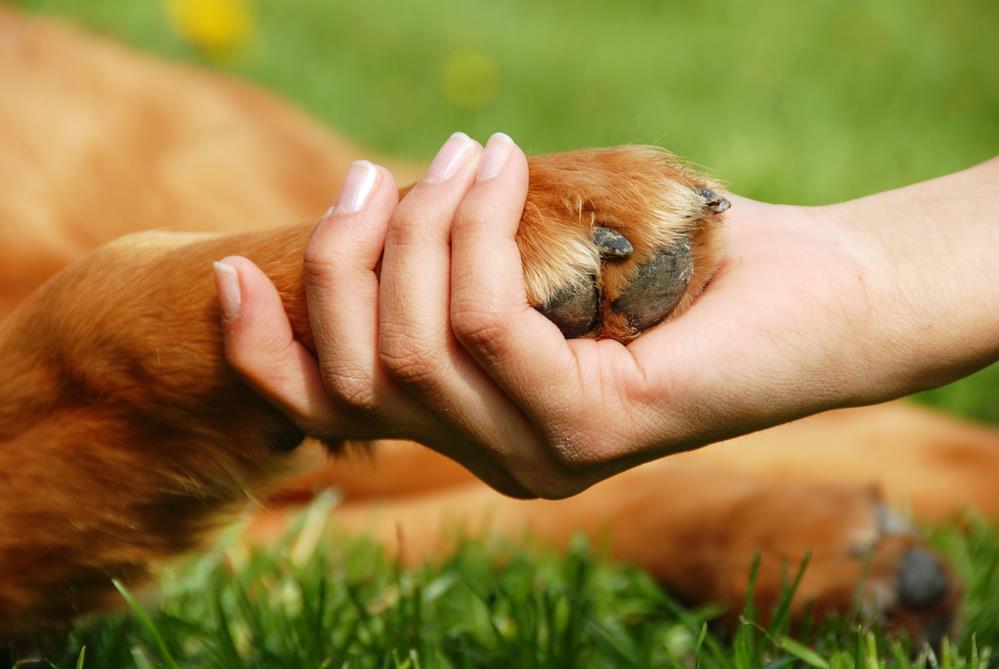
Pet therapy is the deliberate use of animals to support people's wellbeing, from visiting dogs in a hospital ward to structured sessions run by a clinician alongside an animal. The benefits are real, and the clearest of them is short-term relief from stress and anxiety. What it cannot do is replace established medical or mental health care, and the evidence gets patchier for bigger, longer-term outcomes. Used well, it is a small, well-governed intervention: brief, safe contact that reliably calms some people, some of the time.6, 7
What "pet therapy" actually means
In everyday conversation, "pet therapy" covers everything from a visiting dog to formal work with a therapist and an animal. In professional settings you will more often see the umbrella term animal-assisted interventions (AAI), with narrower categories underneath.
- Animal-assisted therapy (AAT): a goal-directed intervention that includes an animal as part of treatment delivered by a credentialed therapist, for example a mental health clinician or allied health professional.2
- Animal-assisted activities (AAA): less formal visits meant to support comfort and quality of life, often volunteer-led.2
The distinction is not pedantry. It shapes consent, screening, documentation, infection control, and what outcomes you can reasonably expect.
A brief history
Animals have been kept around sick people across long stretches of history, but modern animal-assisted therapy is usually traced to the mid-20th century. Child psychologist Boris M. Levinson described how a dog present in sessions helped some children engage, and his early publications pushed the idea into clinical conversation.1
Organisations followed. In the United States the Delta Foundation formed in 1977, became the Delta Society in 1981, and later changed its name to Pet Partners in 2012. That work helped standardise training and volunteer programs at scale.3
What the evidence supports (and what it doesn't)
The honest picture is uneven, and it helps to know where the ground is firm before you rely on it.
Stress and anxiety: the clearest benefit
Across many settings, AAIs show their strongest effects on acute stress and anxiety: the nerves before an exam, the strain of a hospital stay, the pressure of a difficult appointment. Systematic reviews of randomised trials in higher education settings commonly find short-term anxiety reductions, while effects on other outcomes are smaller or inconsistent.7 Meta-analytic evidence from medical settings also points to reductions in distress and anxiety, though study quality varies widely between trials.8
Mood and depression: promising but uneven
Some research finds improvements in mood or depressive symptoms, but results vary by population, program design, and the measures used. When benefits occur they are often modest and short-term, not a replacement for established mental health care.6
Pain and comfort: possible relief, not a cure
In healthcare environments, gentle contact with a calm animal can shift attention, soften physiological stress responses, and make discomfort feel more manageable. Meta-analyses in medical settings suggest AAIs can reduce pain and distress in some contexts, though designs differ and more rigorous trials are still needed.8
Cardiovascular health: association is not a prescription
Pet ownership, especially dog ownership, has been associated with lower cardiovascular risk in some studies. Major cardiology guidance has cautioned against adopting a pet primarily to reduce that risk, because the evidence does not support that kind of guarantee and personal circumstances vary.9
Dementia and aged care: small gains, mixed outcomes
In dementia care, animal-assisted therapy may slightly reduce depressive symptoms, but the evidence is limited and inconsistent across outcomes like agitation, daily function, or quality of life. The research base is small and often difficult to blind, which affects certainty.10
Physical rehabilitation and social effects
In rehabilitation settings, a well-run program can make movement feel less clinical and more achievable: walking a few extra steps to greet a dog, practising reach and balance while brushing, or simply staying engaged for longer. The animal is not doing the rehab, but it can change the atmosphere in a way that supports participation, which is often half the battle. Good programs keep goals practical and observable: more participation, more time on task, greater willingness to attempt an exercise, or less distress during sessions. When claims drift beyond that into promises of faster healing or guaranteed recovery, it is time to ask for evidence and governance.
Animals can also act as social catalysts. In group spaces they give people a shared focus, a reason to speak, and a natural pause in the day. For some people who find eye contact or conversation difficult, stroking a dog or watching an animal's steady behaviour makes interaction easier. These effects are real but situational. The animal's temperament, the handler's skill, the environment, and the individual's preferences all matter, and not everyone wants contact with an animal. A good program treats that as ordinary.
Where pet therapy is used
Hospitals and healthcare facilities
Therapy animal visits in hospitals are typically designed to reduce distress, support morale, and offer brief relief from the sensory sameness of clinical rooms. The most important ingredients are not novelty but governance: screening, consent, hand hygiene, and clear rules about where animals can and cannot go.2
Aged care
In aged care, visits often aim to lift mood, reduce loneliness, and prompt conversation. Sessions work best when they are predictable, gentle, and short, with staff who know residents' health status, triggers, allergies, and preferences.
Schools, universities, and workplaces
On campuses and in workplaces, AAIs are usually positioned as brief stress-reduction supports. Evidence from student settings suggests short-term anxiety benefits are plausible, especially around high-pressure periods, but these programs are not a substitute for broader mental health supports.7
Animals used, and the safety behind a good program
Dogs are the most common therapy animals in structured programs because they can be trained for predictable, steady behaviour and are comfortable with controlled social contact in many environments. Other species appear in specific contexts, such as equine-assisted activities, but suitability depends heavily on setting, handling expertise, and risk management. In healthcare facilities, guidance commonly recommends excluding certain animals such as reptiles because of infection and unpredictability risks, and stresses that participating animals should be healthy, clean, vaccinated, and under veterinary care.2
Those controls are the quiet backbone of any good program. In healthcare environments, infection control guidance emphasises hand hygiene after contact, minimising exposure to saliva and waste, and involving infection-control staff in planning.2 Animal welfare is part of safety too. A skilled handler watches for signs of stress and ends sessions early when needed. The animal's job is not to tolerate everything, but to be steady and safe in short, well-managed encounters.
How to get involved in Australia
If you are considering volunteering with a therapy animal, start with an established organisation that has clear screening, training, and insurance. Requirements vary, but typically include:
- assessment of the dog's temperament, obedience, and comfort around unfamiliar people
- handler training covering facility rules, hygiene, and managing risk
- health checks and up-to-date vaccination status for the animal
- background checks for the handler, for example a Working With Children Check where relevant4, 5
In Australia, examples include Delta Therapy Dogs, which has different pathways for university and corporate visits versus clinician-supported AAT programs, and Therapy Dogs Australia, which offers training with assessment components.4, 5
Final thoughts
Pet therapy works best when it is treated as a small, well-governed intervention: brief, safe contact that reliably reduces stress for some people, some of the time. The evidence is strongest for short-term anxiety and distress relief, and more mixed for complex outcomes like long-term depression, cognition, or disease progression.7, 10 In the right setting, with the right animal and a careful handler, the effect can feel simple and immediate: a calmer breath, a steadier voice, a room that softens just enough for the next step.
References
- Boris M. Levinson (background and early publications associated with "pet therapy")
- Centers for Disease Control and Prevention (CDC): Animals in Health-Care Facilities (definitions and infection-control considerations)
- Pet Partners: History (Delta Foundation/Delta Society and name change to Pet Partners)
- Delta Therapy Dogs (Australia): Volunteer pathways and training overview
- Nepean Therapy Dogs: Volunteer requirements and dog/handler assessment overview
- Johns Hopkins Psychiatry Guide: Animal-Assisted Interventions (summary of evidence strengths and limitations)
- Systematic review (RCTs): Animal-assisted interventions for mental health outcomes in higher education students
- Meta-analysis: Animal-assisted interventions targeting pain, anxiety and distress in medical settings
- American College of Cardiology summary of AHA scientific statement: Pet ownership and cardiovascular risk
- Cochrane Review: Animal-assisted therapy for people with dementia (2019, published 25 November 2019)

Dog lover and writer at My Pets Australia, sharing practical breed guides and care advice for Australian pet owners.