Stem cell Therapy in Pets
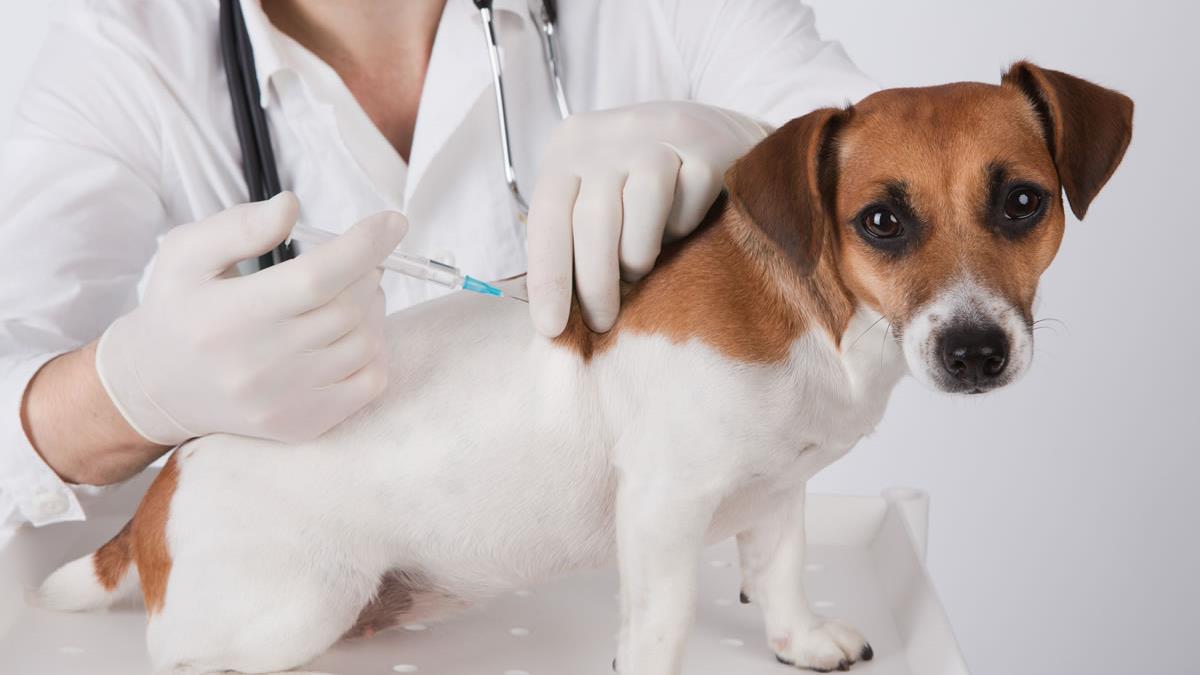
Stem cell therapy uses cells that can develop into different tissue types, and it aims at repair rather than simple symptom control. In veterinary practice it has a genuine, useful role for some conditions, particularly certain joint problems in dogs. It is not a cure-all, though, and it is not right for every animal. The safest way to think about it is as one tool inside a broader plan: pain relief, weight management, physiotherapy and careful follow-up, with realistic expectations about likely benefit and how long it may last.1, 2
What stem cell therapy means in veterinary practice
Stem cells can develop into different cell types, and they can also influence healing by releasing signalling molecules that affect inflammation and tissue repair. In veterinary medicine the cells used are most often mesenchymal stromal/stem cells (MSCs), commonly sourced from fat (adipose tissue) or bone marrow, then delivered by injection, often into a joint affected by osteoarthritis.1, 3
In real clinics the term covers a range of products and processes, from cultured cells expanded in a lab to same-day preparations containing a mixed cell population. Those differences matter, because they change the evidence base, the risks and the likely duration of benefit.
Where the evidence is strongest: osteoarthritis in dogs
Canine osteoarthritis is where veterinary stem cell therapy has been studied most. Trials and reviews suggest some dogs show improved pain and function after intra-articular MSC injections, but studies vary in design, cell preparation, outcome measures and follow-up time, which makes firm comparisons difficult.1, 3, 4
Two practical points stand out:
- Benefit is usually measured in comfort and mobility, not "new cartilage". Some studies report improved lameness and pain scores in the short to medium term, but cartilage regeneration claims should be treated cautiously outside controlled research settings.1, 3
- The effect may fade. In at least one double-blinded study using force-plate analysis, objective improvement peaked early and then reduced towards baseline by around three months, which suggests repeat treatments or other therapies may still be needed.3
What good candidates often have in common
Selection is case by case, but dogs tend to do best when the joint problem is well characterised (examination, imaging as needed), pain is actively managed, weight is controlled and rehabilitation is part of the plan. Stem cells are less likely to help if pain is coming from multiple sources, for example severe spinal disease plus several arthritic joints, unless those sources are also addressed.
Spinal cord injuries: promising, but not settled
Stem cell approaches for spinal cord injury in animals are an active research area, but outcomes are variable and depend on the type of injury, the timing and what recovery is measured against. If a clinic implies reliable return of motor function, ask to see peer-reviewed evidence that matches your pet's situation: species, injury type, chronicity and treatment method.5
Chronic kidney disease: keep expectations modest
Chronic kidney disease is common in older pets, and it is understandable to look for something that restores lost kidney function. At present, stem cell therapy for kidney disease in companion animals is not established as a standard, consistently effective treatment. If it is offered, it should be discussed as experimental or adjunctive, with careful attention to realistic outcomes, which are often supportive care and slowing progression rather than reversal.
Skin wounds and ulcers: regenerative medicine plus good wound care
Non-healing wounds usually improve when the underlying cause is managed: infection control, pressure relief, good nutrition and appropriate dressings. Cell-based therapies may support healing in selected cases, but they sit on top of basic wound management rather than replacing it.
Potential advantages and what to ask before saying yes
When stem cells are sourced from the patient (autologous), the risk of immune rejection is generally lower than with cells from another donor, though that does not mean risk-free.6
Before proceeding, ask your veterinarian for plain-language answers to these points:
- What exact product is being used? Autologous or donor-derived, cultured or minimally processed, single joint or multiple joints.
- What evidence supports this use? Ideally peer-reviewed studies in the same species and condition, with outcomes that matter (pain, function, quality of life).
- What is the expected time course? Days to improvement, likely duration, and what happens if it fades.
- What are the risks and side effects? Sedation or anaesthetic risk for collection and injection, infection, inflammation flare, and product-specific risks.7
- What changes in the overall plan? Whether NSAIDs, weight loss, exercise modification and rehab continue alongside the injection.
Safety, regulation and advertising: a quick reality check
Cell-based therapies for animals are regulated differently depending on the country and product type. In the United States, the FDA explains that animal cell- and tissue-based products intended to treat disease generally fall under new animal drug regulation, and it notes there are currently no FDA-approved animal cell- and tissue-based products available for animals.6
In Australia, veterinary medicines and chemicals are regulated by the Australian Pesticides and Veterinary Medicines Authority (APVMA). If you are considering a product that is imported, compounded, or promoted with broad claims, it is reasonable to ask the clinic how the specific product is regulated and what quality controls apply.8
Costs and decision-making: what matters most
Stem cell therapy can be expensive, and results are not guaranteed. The best decisions usually come from a quiet, methodical comparison: the severity of your pet's discomfort, what standard treatments have already achieved, the quality of evidence for your pet's condition, and whether the plan includes ongoing management that keeps the animal comfortable regardless of the injection's effect.
References
- Administration of mesenchymal stem cells from adipose tissue at the hip joint of dogs with osteoarthritis: A systematic review (PubMed)
- Clinical outcomes following intra-articular injection of autologous adipose-derived mesenchymal stem cells for osteoarthritis in dogs characterised by weight-bearing asymmetry (PubMed)
- Assessment of intraarticular injection of autologous adipose-derived mesenchymal stem cells in osteoarthritic dogs using force platform analysis (BMC Veterinary Research)
- Allogeneic adipose-derived MSCs for canine hip osteoarthritis: double blinded, randomised, placebo controlled pilot study (PubMed)
- Intra-articular transplantation of porcine adipose-derived stem cells for the treatment of canine osteoarthritis: A pilot study (PubMed)
- Q&A for Pet Owners on Animal Cells, Tissues, and Cell- and Tissue-Based Products (ACTPs) (US FDA)
- Regulation of stem cell treatments: information for practitioners (Therapeutic Goods Administration, Australia)
- Guideline for the registration of new veterinary vaccines (Australian Pesticides and Veterinary Medicines Authority)

Dog lover and writer at My Pets Australia, sharing practical breed guides and care advice for Australian pet owners.