Sphynx Cat
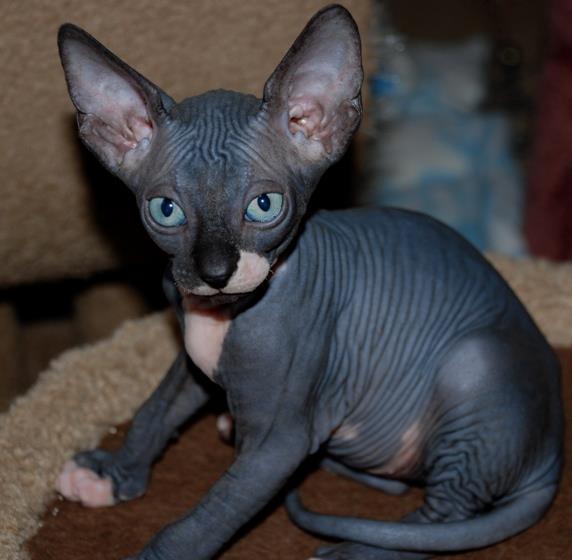
The Sphynx is the cat people notice from across the room: medium and muscular, with prominent ears, expressive eyes, and skin that looks bare and often gathers into soft wrinkles.1 They are warm to lean against, social to a fault, and genuinely rewarding company for someone who wants a cat that stays involved in the day. The catch is that the missing coat is not just a look. Without normal fur, a Sphynx needs help with sun, warmth, bathing, and the wax and grime that a coat usually hides.1, 7 Get those basics right and they are excellent companions.
History and Origin
The modern Sphynx traces back to naturally occurring hairless kittens and to careful breeding programs that worked to broaden the gene pool. One early foundation cat was born in Toronto in 1966, and later discoveries and outcrossing helped establish the breed as it is known now.1
Different cat registries recognise breeds at different times and use slightly different wording in their standards, so the "official" timeline varies by organisation and country. When you are dealing with breeders and shows, the registry matters more than the anecdote.
Appearance and Physical Characteristics
A Sphynx often looks sculpted: a solid, muscular body, a wide chest, and soft skin that gathers into folds where the body bends and moves.1 They are medium in size and built more like an athlete than a delicate ornament. Large ears and prominent, expressive eyes are typical, though exact shape and colour depend on the individual and the registry standard.1
Despite the reputation, most are not completely hairless. Many carry a fine, almost invisible down that changes with season, hormones, and the individual cat, and the skin texture is frequently compared to warm peach skin or chamois.1 Sphynx cats are found in all colours and patterns, and registries vary in how they describe and classify them.2, 3
Heat, cold, and sunlight
A Sphynx can feel warmer to the touch, but their body temperature is not higher than other cats. What changes is insulation. Without a normal coat, they lose heat faster and have less protection from direct sun.1, 7 In practical terms that means:
- They seek warm spots such as sunlit windows, heaters, and blankets.1
- They can get chilled in draughts and cold weather, especially after a bath.7
- They are at higher risk of sunburn if allowed to sunbake or roam outdoors.1, 6
Temperament and Personality
Sphynx cats are commonly described as social, curious, and strongly interested in their people. Many will follow movement through the house, join in with daily routines, and settle against a warm body or under a blanket when the temperature drops.1 They tend to do best with regular interaction and enrichment: short play sessions, climbing options, puzzle feeders, and a predictable rhythm to the day.
Is a Sphynx Right for You?
Be honest with yourself about the workload before you commit. The trade for less brushing is more skin and ear maintenance, plus a constant focus on keeping the cat out of the sun and out of the cold.1, 7 This is not a low-maintenance breed, either in daily care or in health. A Sphynx suits an indoor home where someone is around, happy to bath a cat regularly, and prepared to build a steady relationship with a vet.
If you buy or adopt, put health and welfare ahead of rarity. Sphynx cats turn up in breed rescues and shelters, but most people find them through registered breeders.
- Ask about heart screening and what testing has been done in the breeding lines, given the breed's known predisposition to HCM.5
- Look for clean skin, clean ears, and steady breathing in kittens and adults at rest.
- Ask what the cat is eating and how often it is bathed, then keep things stable during the first few weeks at home.
- Be cautious with online vendors offering quick shipping and minimal background. For any purebred cat, transparency about health, temperament, and aftercare support matters.
Grooming and Care
Sphynx grooming is less about fur and more about managing natural skin oils, keeping ears clean, and preventing the small irritations that can snowball into infections.
Bathing, often but not aggressively
Without a coat to absorb and distribute oils, Sphynx skin can build up a greasy film and collect dust. Many cats do well with regular baths using a gentle cat shampoo, followed by thorough rinsing and drying to prevent chilling and irritation.7
Frequency varies. Some need weekly washes, others less. Let the skin decide. If your cat is tacky, leaving residue on bedding, or getting clogged pores, the interval is probably too long. If the skin is dry and flaky, you may be washing too often or using the wrong product.7
Ears
Large, open ears with less internal hair can mean more visible wax and grime. Clean only what you can see, using a pet ear cleaner and soft cotton, and never push into the canal.8
Nails and paws
Skin oils and debris can collect around nail beds and between toes. Regular trimming helps prevent scratches, which matters with so much bare skin in the household, and a gentle wipe of the paws keeps them cleaner between baths.7
Skin checks
Make it a habit to scan the skin during cuddles and after baths. Look for redness, pimples or blackheads, scabs, or any patch your cat reacts to when touched. If something persists, a vet visit is worth it, because skin issues are easier to treat early.
Training and Socialisation
Like any cat, a Sphynx benefits from early, gentle socialisation: handling of paws and ears, short calm carrier practice, and positive experiences with visitors and household noises. Keep sessions brief, reward calm behaviour, and stop before the cat has to endure it.
- Litter habits: keep trays clean and easy to access. Stress and skin discomfort can sometimes show up first as litter avoidance.
- Harness and outings: if you choose to train for a harness, go slowly and prioritise shade and sun safety.7
- Vet handling: regular gentle checks at home of ears, teeth, and skin can make vet exams less of a wrestling match later.
Health and Lifespan
No breed is problem free, and Sphynx cats are not generally considered low-maintenance from a health perspective. With good care, life expectancy is often quoted around the low to mid teens, though individuals vary like any breed.7 The most useful approach is to choose a breeder who health-tests and to keep a steady relationship with a vet who is comfortable with the breed.
Heart disease (HCM)
Hypertrophic cardiomyopathy, or HCM, is the most common heart disease in cats, and it appears more often in some breeds, including the Sphynx. Diagnosis and management are veterinary matters and may involve imaging such as echocardiography and ongoing monitoring.4, 5
Skin problems
The skin can be prone to irritation, clogged pores, and infections, partly because the oils sit directly on the surface and the protective barrier of fur is missing. Gentle bathing, careful drying, and clean bedding can make a noticeable difference.7
Sunburn and heat risk
Hairless and thin-coated cats can burn. In Australia that can happen quickly on bright days, especially on pale skin and exposed areas. The safest baseline is indoor living with access to warm, shaded spots and careful management of window sunbathing.1, 6, 7
Breed Standards and Cat Shows
Breed standards vary by registry, but the core idea is consistent: a medium, muscular cat with prominent ears, expressive eyes, and skin that may be wrinkled and usually carries a fine down rather than a visible coat.1 Most registries allow all colours and patterns, and in many show systems colour is not the point of the breed. Type, condition, and overall balance matter more.2, 3
A Few Things Worth Knowing
- They are medium and muscular, built more solidly than they look.1
- Most are not truly naked but carry a very fine down, often with wrinkles on the head and shoulders.1
- They come in all colours and patterns.2, 3
- They are people-oriented and enjoy warmth and close contact.1
- The big care theme is less brushing and more skin and ear maintenance, plus avoiding sunburn and chilling.1, 7
The Bottom Line
A Sphynx is a cat of close quarters: warm skin, careful routines, and an indoor life shaped around comfort and prevention. Get the basics right, meaning sun safety, steady warmth, gentle bathing, and proactive vet care, and the distinctive look becomes the least interesting thing about them.
References
- The Governing Council of the Cat Fancy (GCCF), Sphynx
- World Cat Congress, Breed Comparisons: Sphynx
- Cat Fanciers' Association (CFA), Sphynx
- Cornell University College of Veterinary Medicine, Cardiomyopathy (cats)
- Cornell University College of Veterinary Medicine, Hypertrophic Cardiomyopathy (HCM)
- RSPCA Australia, Keeping your pet safe during the heat
- PetMD, Sphynx Cat Breed Health and Care
- SPHYNX.NYC, Sphynx Cat Health Care (ear care and temperature)

Dog lover and writer at My Pets Australia, sharing practical breed guides and care advice for Australian pet owners.