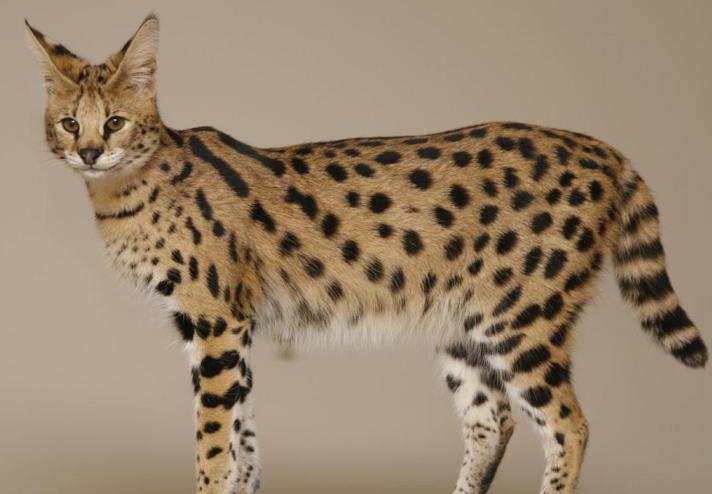
Ragdoll Cat
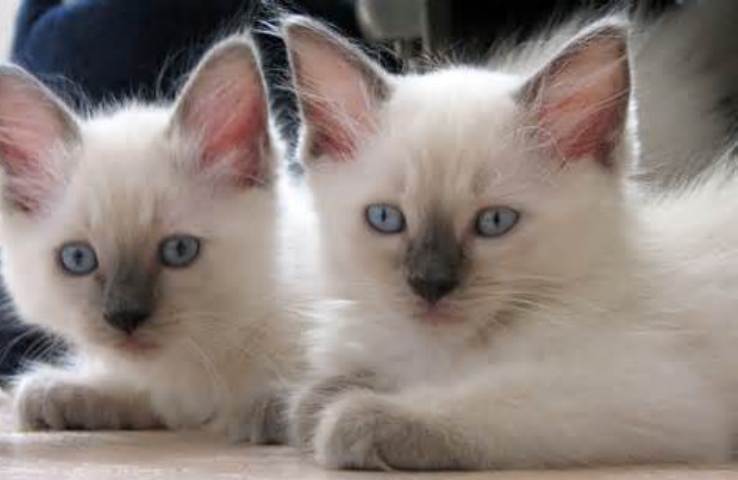
The Ragdoll is a large, semi-longhaired cat known for being calm, affectionate and content to stay close to its people without demanding constant activity. The name comes from a habit some individuals have of going limp and relaxed when picked up. They move quietly through a home, tend to be gentle with handling, and often prefer the same room as their humans to a solo perch across the house. They are also slow-growing cats and steady eaters, which means grooming and weight are the two things worth keeping honest about from the start.
Ragdoll cat: at a glance
- Origin: United States, developed in California in the 1960s1
- Size: Large, slow to mature, often not fully grown for several years1
- Typical adult weight: Females commonly around 4.5 to 6.8 kg, males commonly around 6.8 to 9.1 kg, with individuals varying1
- Coat: Semi-long and silky, generally manageable with routine brushing1
- Colours and patterns: Pointed colouring, always blue eyes, with common patterns including colourpoint, mitted and bicolour1, 2
- Temperament: Commonly calm, affectionate and people-oriented, though still individual1
- Life expectancy: Often mid to high teens with good care, varying with genetics, health and lifestyle1
History and Origin
The Ragdoll is a modern breed, developed in the early 1960s by breeder Ann Baker in Riverside, California. Early foundation cats and later breeders shaped the consistent size, coat type and gentle handling tolerance the breed is now known for.1
The name refers to the tendency some individuals show to relax deeply when held. It is best understood as a common breed trait rather than a guarantee. Cats still have preferences, and good handling matters as much as genetics.1
Appearance and Physical Characteristics
Ragdolls are large, substantial cats with a semi-long, silky coat and a slower timetable for reaching full size and full colour. Many do not look finished until adulthood is well underway.1
One detail is fixed in breed standards. Ragdolls are pointed cats with blue eyes. The body is lighter, with darker points on the face, ears, legs and tail, and the recognised patterns typically include colourpoint, mitted and bicolour.1, 2
A common misconception is that Ragdolls can have any eye colour. In breed standards, blue is the expected eye colour, and a deeper blue is generally preferred.2
Temperament and Personality
In many homes a Ragdoll is present, observant and often happiest in the same room as its people. Breed descriptions commonly note an affectionate, quiet disposition, with playfulness that tends to show in short bursts rather than constant high energy.1
They are often described as tolerant with children and other pets, but that tolerance still has a ceiling. Calm introductions, predictable routines, and letting the cat choose contact are what keep the relaxed temperament intact.1
Is a Ragdoll Right for You?
A Ragdoll suits households that want a calm companion cat: affectionate, present, and typically less frantic than highly active breeds. They still need daily play, regular grooming and preventative healthcare, and they do best with gentle handling and predictable rhythms.1
If you are buying a kitten, ask about health screening, especially HCM testing, and expect a slow-growing cat that may not reach full size and coat maturity for several years.1, 3
Training and Exercise
Ragdolls often enjoy interactive play, but many prefer games that come in soft waves: a few minutes of chase, then a long pause. Short daily play sessions help maintain muscle tone and reduce boredom, especially for indoor cats.1
Simple training works well when it is reward-based and low pressure. Many individuals learn their name, come when called, and happily follow a routine around meals and playtime. Focus on consistency rather than obedience.
Health and Lifespan
No breed is problem-free. With Ragdolls, a few issues come up often enough that it is worth planning for them from the start, especially if you are buying a kitten and can ask a breeder for screening results.
Hypertrophic cardiomyopathy (HCM)
HCM is a form of heart disease seen in cats. In Ragdolls, a breed-associated genetic variant has been identified, and DNA testing is available. This does not replace veterinary exams, but it can be a useful tool for breeders and owners when assessing risk.3
Dental disease
Dental problems are common in pet cats generally, and they can creep in quietly: bad breath, gum redness, drooling, dropping food, or a slow change in appetite. Regular vet checks help, and tooth brushing, ideally daily or at least a few times a week, is widely recommended as the most effective home routine.4, 5
Weight gain and inactivity
Ragdolls are often described as laid-back, which can make extra weight easier to miss, especially under a fluffy coat. Keeping an eye on body condition rather than just the number on the scales, using portion control, and building gentle daily play into routine helps protect long-term mobility and comfort.1, 6
Infections and preventative care
Ragdolls are not uniquely prone to most routine infections, but they need the same basics as any cat: vaccination and regular health checks based on lifestyle and veterinary advice. In Australia, adult boosters are commonly recommended every 1 to 3 years after the initial kitten course, depending on the vaccine and the cat's circumstances.7
Feline infectious peritonitis (FIP) is a serious disease linked to feline coronavirus. It can affect any breed, so it is not accurate to treat it as a typical Ragdoll problem, but it is one owners often read about while researching cat health.8
Grooming and Care
The Ragdoll coat is semi-long and silky rather than woolly. Most do well with a thorough brush or comb once a week, with extra attention during seasonal shedding and around friction points such as behind the front legs and the collar area.1
Bathing usually is not routine. When it is needed, for example if something sticky has worked into the coat, use a cat-specific product and keep the experience brief and warm.
Nails, ears and teeth are the quiet maintenance jobs that add up. A little routine, done gently, is usually better tolerated than occasional big sessions.5
Diet and Nutrition
Choose a complete and balanced commercial cat food that suits the cat's life stage, whether kitten, adult or senior. If you are mixing wet and dry, keep an eye on total daily energy intake. Ragdolls can be enthusiastic eaters, and their calm nature can hide slow weight gain.6
Fresh water should always be available. If your cat tends to drink little, a pet water fountain can encourage some cats to take more sips through the day, though preferences vary.
The Bottom Line
The Ragdoll is a calm, affectionate companion cat that fits homes wanting a gentle presence rather than a high-energy athlete. The trade-offs are practical, not dramatic: weekly grooming, portion control to counter that laid-back appetite, and preventative healthcare including HCM screening if you buy a kitten. Give it gentle handling and a predictable routine and it tends to settle in easily.1
References
- The International Cat Association (TICA), Ragdoll
- Governing Council of the Cat Fancy (GCCF), Ragdoll breed information
- UC Davis Veterinary Genetics Laboratory, Hypertrophic Cardiomyopathy (HCM) in Ragdolls
- RSPCA Pet Insurance, Guide to cat dental care
- RSPCA Knowledgebase, How should I take care of my cat or dog's teeth?
- RSPCA Pet Insurance, How to spot signs of pet obesity
- RSPCA Knowledgebase, What vaccinations should my cat receive?
- Cornell Feline Health Center, Feline infectious peritonitis (FIP)

Dog lover and writer at My Pets Australia, sharing practical breed guides and care advice for Australian pet owners.