Pixie-Bob Cat
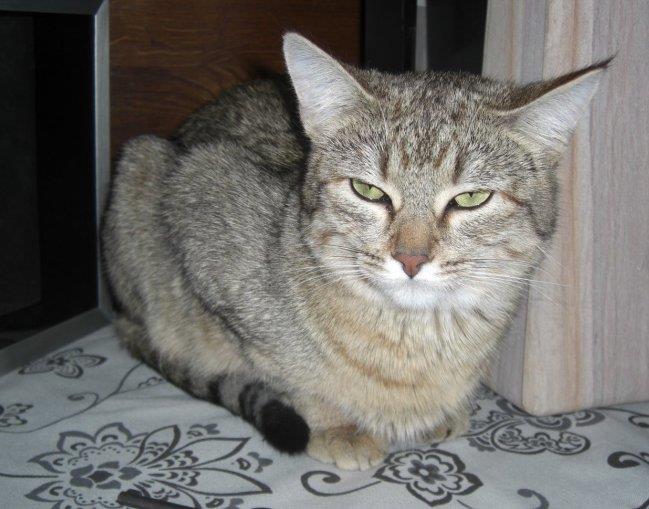
The Pixie-Bob is a fully domestic cat bred to look like a North American bobcat, complete with a naturally short tail, a dense spotted coat, and often a set of extra toes. What draws most people in is the wild silhouette; what keeps them is the temperament, which is widely described as social, interactive, and trainable when the cat is raised with steady handling and gentle routines. It reads as a compact, heavy-boned animal with a quiet, watchful presence rather than a delicate lap cat. Despite the rugged look, the care is ordinary cat care done consistently. If you like a cat that follows you around and enjoys play, this is a rewarding breed, and the honest catch is that temperament varies by individual, so the cat in front of you matters more than the label.1, 2
History and Origin
The Pixie-Bob emerged in the late 1980s in the Pacific Northwest of the United States, developed by Carol Ann Brewer from cats selected for a bobcat-like appearance: short tail, spotted coat, sturdy build, and sometimes polydactyl feet. Early stories suggested bobcat ancestry, but genetic testing has not supported the presence of bobcat DNA, and cat registries treat Pixie-Bobs as domestic cats.1 The breed is recognised by major cat fancy bodies including The International Cat Association (TICA). Breed standards place heavy emphasis on a rustic bobcat look without shifting the cat into wild-hybrid status.2
Appearance and Physical Characteristics
A Pixie-Bob tends to read as compact and powerful rather than tall and fine-boned. The head is often described as pear-shaped, with a heavier brow and a deep muzzle, giving that quiet, watchful expression people associate with wildcats.1, 2 Most cats are brown spotted tabby, since the breed is bred for that bobcat-like spotted look.1 The coat is a thick, plush double coat, and both short-haired and long-haired varieties exist. Short-haired cats can still shed noticeably, while long-haired cats are more likely to collect tangles behind the ears and around the trousers if brushing slips.2
The tail is part of the breed's signature. It is naturally shortened, with length varying from very short up to hock length, and it may be kinked or knotted while still flexible. A healthy tail should move naturally rather than being rigid or painful, so anything that looks sore, stiff, or handled protectively is a reason to ask a vet to check it.2 The paws are another point of difference: polydactyly (extra toes) is permitted in Pixie-Bobs, up to seven toes per paw under TICA rules.2 Size sits at the medium to large end of the scale, with many adults being solid and heavy-boned and males often larger than females.2, 3
Temperament and Personality
Pixie-Bobs are commonly described as people-oriented cats: present in the house, interested in what you are doing, and keen on play that involves stalking, pouncing, and carrying toys. Many enjoy training games, food puzzles, and routine-based learning, especially when this is started young and kept calm and brief.2 Even within a breed, temperament is not guaranteed. Early handling, the home environment, and the cat's individual thresholds matter more than the breed name. If you are adopting an adult, spend time watching how they recover after surprises such as a dropped object or a closing door, and how they respond to touch around the paws, belly, and tail.
Is a Pixie-Bob Right for You?
In the right home, Pixie-Bobs suit families well: they are often interactive, enjoy play, and may follow people from room to room. The match works best when children are taught to let the cat choose contact, to avoid tail handling, and to give the cat high escape routes and quiet rooms. Like any cat, they do best when the house is arranged around cat logic, with resources spread out, predictable hiding places, and somewhere elevated to watch from without being touched. If you want an interactive cat and you are happy to provide routine play, gentle training, and regular grooming, this breed fits. If you were mainly after the wild appearance and expected a low-maintenance ornament, look elsewhere.
Living With Other Pets
Pixie-Bobs can live peacefully with other animals, but introductions should be slow and managed. Cats rely heavily on territory and scent familiarity, and rushing first meetings tends to create weeks of repair work afterwards.4 A steady introduction plan looks like this:
- Start with separation: keep the new cat in one room with litter, food, water, bedding, and hiding spots.
- Swap scent: exchange bedding, or rub a cloth along the cheeks and place it near the other pet's area.
- Barrier viewing: use a baby gate or a cracked door once both animals are calm at the scent stage.
- Short, supervised sessions: keep dogs on lead, and end sessions early, before anyone tips into chasing or fear.4
Training and Exercise
Some Pixie-Bobs take well to harness and lead walking, but the method matters more than the breed. Start indoors, keep sessions brief, and let the cat set the pace: first comfort in the harness, then gentle movement, then the lead, then short, quiet outings.2 In a busy household, daily play in small doses often works better than one long session. Aim for short bursts that mimic a hunt sequence, chase and pounce and a small catch, then a rest. Provide climbing, scratching surfaces, and enrichment, which matters more than a large floor plan.
Health and Lifespan
No cat breed comes with a blank health slate. Registry information commonly describes Pixie-Bobs as generally healthy, but that does not replace individual screening and sensible weight control.2 Lifespan is often quoted around the mid-teens, similar to many well-cared-for domestic cats.3 Two practical points tend to matter in real homes:
- Weight creep: a muscular, heavy-boned build can disguise early weight gain, so regular body-condition checks help more than a vague sense that he feels heavy.2
- Routine prevention: keep vaccinations and parasite control current, and book regular vet checks, especially if your cat spends time outdoors or mixes with other pets.2, 4
If you are buying from a breeder, ask for the health history in the line, what screening they do, and what support they offer if a problem emerges after purchase. A calm, specific answer is a good sign.
Grooming and Care
Despite the rugged look, care is ordinary cat care done consistently. A thick double coat benefits from regular brushing, particularly during seasonal shedding or if your cat is long-haired.2
- Brushing: aim for at least weekly for many short-haired cats, and increase the frequency if you notice shedding clumps or matting risk, which is often higher in long-haired cats.2
- Nails, ears, teeth: keep nails trimmed, check ears, and brush teeth with vet-approved toothpaste when your cat will tolerate it.2
A Few Things Worth Knowing
- Pixie-Bobs are not a common shelter breed in Australia, so many people look to registered breeders. Take your time, ask how kittens are raised for noise exposure and handling, whether the parents can be met, and what happens if the placement does not work.
- If you are importing a cat into Australia, the rules are strict and time-sensitive. The Australian Government Department of Agriculture, Fisheries and Forestry sets requirements that can include microchipping, rabies vaccination, a rabies neutralising antibody titre test (RNATT), minimum waiting periods, and post-entry quarantine in an Australian facility, depending on the country of export and identity verification steps.5, 6
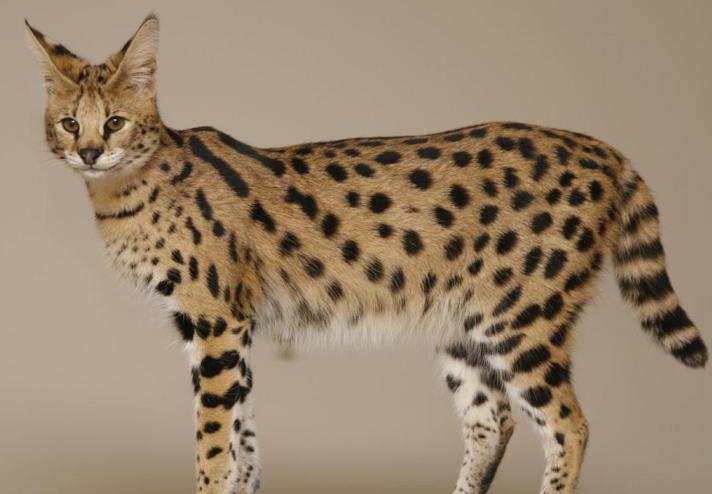
- Australia also restricts the import of non-domestic cat hybrids, such as Savannah cats. Pixie-Bobs are treated as domestic cats by major registries, but always confirm the current import category and paperwork before you commit to an overseas purchase or flight booking.1, 7
The Bottom Line
A Pixie-Bob is, at heart, a domestic cat wearing a bobcat silhouette: dense coat, short tail, sturdy paws, and a steady, watchful presence. If you like an interactive cat and you are happy to provide routine play, gentle training, and regular grooming, it can be a rewarding companion. The best outcomes come from patient selection, meeting the cat you are considering, asking clear questions, and letting temperament rather than appearance make the final call.
References
- Pixie-bob (overview, history, domestic status)
- The International Cat Association (TICA), Pixiebob breed information (polydactyly, tail, coat, care)
- Guild Insurance (Vets Choice), Pixie Bob breed profile (size and lifespan overview)
- RSPCA Australia, Introducing a dog or puppy to a resident cat (gradual, managed introductions)
- Australian Government DAFF, Step-by-step guide to import cats (Group 3 example, timing and eligibility)
- Australian Government DAFF, Rabies vaccination and RNATT requirements for cats and dogs
- Australian Government DAFF, Importing cats (notes on non-domestic hybrids not permitted)
- Australian Government DAFF, Cats and dogs returning to Australia (RNAT/RNATT validity notes)

Dog lover and writer at My Pets Australia, sharing practical breed guides and care advice for Australian pet owners.