Pets and Technology: How Gadgets Can Improve Your Pet’s Life
Pet technology now covers a lot of everyday ground: microchips, GPS trackers, automatic feeders, cameras, and activity monitors that quietly log what your animal is doing while you are out. Used well, these tools add a steady layer of safety and routine, and they make it easier to notice an early change before it turns into a problem. They work best as helpers, not stand-ins, because good care still rests on hands-on time and regular veterinary advice. Treated that way, the right gadget can genuinely improve your pet's day. Below is a grounded look at what pet tech can do, where it fits, and the simple checks that keep it reliable.1, 2
Modern pet care, in plain terms
Modern pet care leans towards prevention. You notice changes early, you keep routines steady, and you build an environment where your animal can move, sniff, play, and rest in ways that match their natural behaviours. Technology can support all of that, especially when life gets busy or your pet's needs are shifting with age. The useful part is not that a device knows your pet better than you do. It is that it can collect consistent information, particularly when you are not home, so changes are easier to spot and routines are easier to keep steady.7, 8
What pet tech is actually for
Most pet tech does one of three jobs:
- Identification and recovery (microchips, registration databases, GPS trackers).
- Daily routines (feeders, water fountains, cameras, reminders).
- Patterns over time (activity trackers and home monitoring that help you notice when something is off).
What technology can realistically improve
Cameras and two way audio can confirm the basics: your pet is moving normally, settling, and not stuck in a room or tangled in something. Treat this as a quick check rather than constant surveillance. Automatic feeders help keep meal timing consistent, and they earn their keep most when several people feed the same pet, since accidental double feeding is a quiet path to weight gain. Obesity is common in both dogs and cats and is linked with reduced quality of life and a shorter lifespan, so routine and portion control matter.7
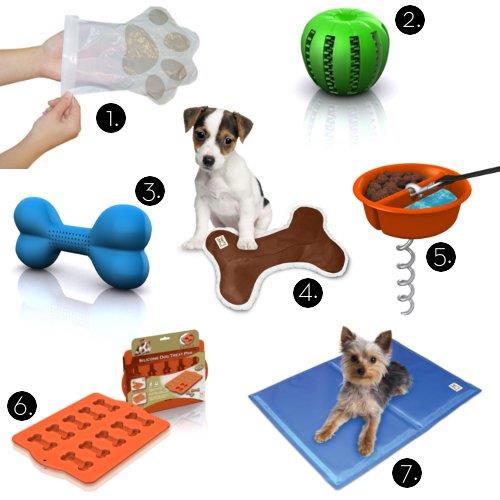
Enrichment is the other clear win. Puzzle feeders, scent games, and interactive toys offer mental work that fits natural behaviours. The goal is a richer day, not a noisier one. Too little stimulation can contribute to stress and problem behaviours, while thoughtful enrichment helps pets stay steadier and more relaxed.6, 7, 8
Monitoring your pet's health
Wearables and home monitoring devices often track movement (steps, activity time), rest, and sometimes scratching, licking, or other repeat behaviours. Used carefully, they can help you catch a trend, such as a gradual drop in activity or restless sleep, before it becomes obvious day to day. A few grounded rules keep this category useful:
- Use the data to start a conversation, not to make a diagnosis. A sudden change is a cue to observe closely and, if needed, speak with your vet.
- Look for patterns over weeks. Single day spikes and dips happen for normal reasons (weather, visitors, routine changes).
- Check fit and comfort. Collars and harnesses should be secure without rubbing, and devices should not add bulky weight for small pets.
Feeding and hydration
Automatic feeders and water fountains support routine, particularly for pets who do best with smaller, regular meals, or households where people come and go at odd hours. They are also handy when you want to measure food more precisely than a scoop that looks about right. Keep the practical risks in view:
- Overfeeding can still happen if portions are set too large or treats are not counted alongside meals. If your pet is gaining weight, adjust the plan with veterinary guidance.7
- Hygiene matters. Wash bowls and food contact parts often, especially in warm weather.
- Do not rely on a single device for safety. Power cuts, Wi-Fi dropouts, jammed mechanisms, and flat batteries are all normal failures, so have a simple backup plan.
Training and enrichment tools
The best training tech is usually the simplest: tools that help you deliver consistent practice and enrichment. Reward based training, food puzzles, and rotating toys give structure to the day without overstimulation. Dogs in particular benefit from chances to sniff, explore, solve problems, and move their bodies in ways that do not just burn energy but settle the nervous system.6, 8
Be wary of devices marketed as cures for separation anxiety or boredom. In real homes they are better seen as small supports. If your pet shows persistent distress, such as destructive behaviour, constant vocalising, toileting changes, or withdrawal, technology will not replace a proper behavioural plan and veterinary guidance.6, 7
Microchips and GPS: keeping your pet identifiable
Microchips and GPS trackers solve different problems, and it helps to be clear on which does what.
- A microchip is permanent identification implanted under the skin. It carries a unique number that must be linked to your up to date contact details in a registry. It is not a GPS tracker, and it cannot show your pet's location on a map.1, 3
- A GPS tracker can help you locate a pet in real time (or near real time), but it depends on battery, device durability, and network coverage.
A microchip only works as well as the database details behind it. If your phone number changes or your registry closes, that tidy number can lead nowhere. Several Australian animal welfare organisations have warned owners to check which registry holds their details and update them promptly when things change.1, 4
Quick microchip check, worth doing today
- Ask your vet (or local council service) to scan the microchip and confirm the number matches your paperwork.1
- Confirm your contact details are current in the relevant registry, especially after moving house or changing numbers.1
- If you are in NSW, note that pets must be microchipped before sale or give away, or by 12 weeks of age, with the owner details recorded by an authorised identifier.5
Where pet tech is heading, and its limits
Pet tech is getting better at spotting patterns in activity, sleep, and routine, which is genuinely useful because animals often show illness as subtle shifts long before a crisis. Two limitations do not go away, though. Sensors can misread, and normal life can mimic an alert, so you still need observation and veterinary advice. And a device can support care, but it cannot replace the steady benefits of play, gentle handling, enrichment, and routine veterinary checks. The best pet tech fades into the background: it keeps routines steady, helps you notice change, and makes it easier to bring useful information to your vet without pretending to be one.6, 7
References
- RSPCA Australia, Microchipping
- RSPCA Australia, Importance of microchipping pets
- Australian Government Department of Agriculture, Fisheries and Forestry, Microchips (cats and dogs import advice)
- RSPCA Queensland, Important update: Pet microchipping (HomeSafeID)
- NSW Office of Local Government, Microchipping (NSW Pet Registry)
- RSPCA Australia, The importance of enrichment for dogs
- RSPCA Pet Insurance (Australia), Supporting the emotional wellbeing of dogs and cats
- RSPCA Knowledgebase, Why is enrichment important for dogs?
- Agriculture Victoria, Permanent ID, microchips and scanners

Dog lover and writer at My Pets Australia, sharing practical breed guides and care advice for Australian pet owners.