Pets and COVID-19
COVID-19 is mainly a human illness, but pets can be part of the picture when someone in the household is sick. Cats and dogs can catch the virus from people during close contact, though this is uncommon and serious illness is rare. The risk of pets passing COVID-19 back to people is considered low. The sensible approach is simple: reduce close contact while you are unwell, keep the daily routine steady, and know when a call to the vet actually matters. 1, 2, 3
What we know about COVID-19 and pets
SARS-CoV-2, the virus that causes COVID-19, spreads mostly from person to person. It can also spread from people to animals, particularly with close indoor contact such as cuddling on the couch, sharing beds, and face-to-face time. 1, 3
Household pets like cats and dogs have been infected, usually after their owners had COVID-19. Most infected pets show mild signs or none at all, and severe disease is described as very rare. Public health agencies continue to describe the risk of pets spreading the virus to people as low. Where animal-to-human transmission has been reported, it has been unusual and typically tied to specific situations rather than everyday life with a dog or cat. 1, 3, 4, 5
Can pets get infected?
Yes, pets can be infected. The earlier "no evidence" phrasing is now out of date. What has changed is the certainty, not the day-to-day advice: there are documented infections in cats and dogs, most often after close contact with an infected person. Even so, for most households the chance of a pet becoming unwell from COVID-19 stays low, and severe illness is uncommon. 1, 3, 4
When pets do show signs, they tend to be non-specific, the same sorts of things that happen with many routine pet illnesses. If your pet is unwell, let a vet work out what is going on rather than assuming COVID-19 is the cause. 4
Can pets pass it to people?
The risk is considered low. People remain far more likely to catch COVID-19 from other people than from pets. What a pet can do, in a very ordinary way, is move through shared spaces while you are sick, across door handles, bedding, food bowls, and hands. That is why the advice stays grounded in basic hygiene rather than disinfecting your animal. 1, 2, 3, 6
Practical precautions at home
If you have COVID-19 or strongly suspect you do, treat contact with your pet much as you would contact with people:
- Minimise close contact: avoid kissing, cuddling, snuggling, sharing food, and sleeping together. 1, 7, 8
- If possible, have another household member care for the pet until you are well. 1, 7
- Wash your hands before and after handling pets, their food, bowls, leads, and waste. 7, 8
A couple of things to avoid:
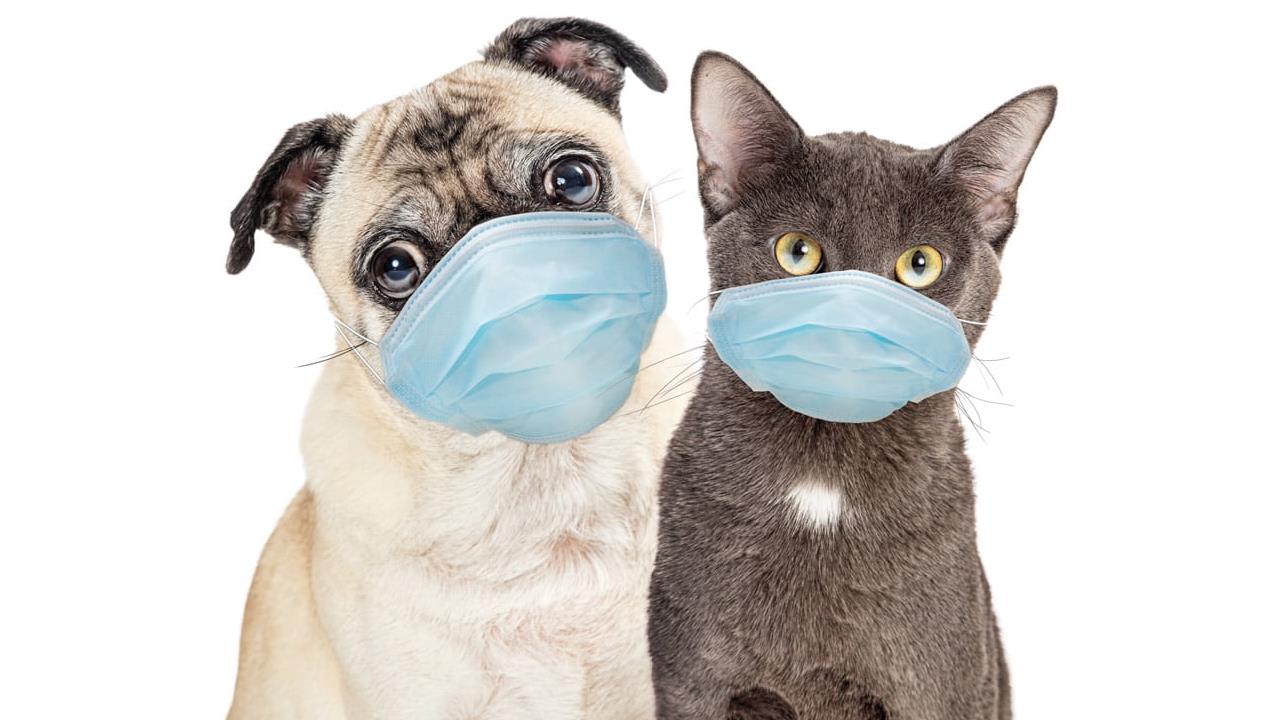
- Do not put masks on pets, as they can be unsafe. 1
- Do not wipe or bathe pets with chemical disinfectants, alcohol, hydrogen peroxide, hand sanitiser, or surface cleaners. These can harm your animal, and there is no evidence people catch COVID-19 from a pet's fur. 1
Pets notice changes in routine: different walking times, tense voices, doors closed where they are usually open. During isolation, keep the day predictable with regular meals, short play sessions, simple training games, and gentle exercise that suits your local rules and your pet's needs. It will not treat a virus, but it can reduce restlessness and stress-related behaviour while the household is disrupted. 9
Vet care and testing: when to call
Call your vet for advice if your pet is sick, especially if they have been in close contact with a person who has COVID-19. Do not turn up unannounced if you are unwell. Ring first so the clinic can keep staff and other clients safe while still treating your animal. 4, 7
A simple quarantine back-up plan
When a household is suddenly locked down by illness, the chaos rarely comes from the virus itself. It comes from missing food, missing medications, and no plan for who can walk the dog. A basic back-up helps:
- Keep at least two weeks of pet food and any regular medicines on hand.
- Write down your vet's number, your pet's microchip details, and any ongoing conditions.
- Line up one or two people who could help with care if you are unwell, within current public health advice.
This kind of quiet preparation is recommended by RSPCA guidance aimed at quarantine disruptions. 10
The benefits of pets during COVID-19
Pets can anchor a day. A dog still needs a walk, a cat still appears at the kitchen at dawn, and the household rhythm continues even when the outside world feels uncertain. That companionship can support wellbeing for many people. It does not replace clinical care for anxiety or depression, and it is not universal: some households find the extra responsibility hard during illness or financial stress. 9
Key takeaways
- Pets can catch COVID-19 from people, usually after close contact, but severe illness is rare. 1, 4
- The risk of pets spreading COVID-19 to humans is considered low. 1, 3
- If you are sick, reduce close contact with your pet and lean on hand hygiene, and do not disinfect your animal. 1, 7
- If your pet is unwell, call your vet for advice and follow their instructions for safe care. 4, 7
References
- CDC, What You Should Know about COVID-19 and Pets
- Mayo Clinic, COVID-19 and pets: Can dogs and cats get COVID-19?
- CDC, Animals and COVID-19
- Australian Veterinary Association, COVID-19 and your pets
- WOAH/FAO/WHO joint statement, Monitoring SARS-CoV-2 in wildlife and preventing animal reservoirs
- Healthdirect Australia, COVID-19
- Australian Veterinary Association (Vet Voice), Advice to pet owners during COVID-19
- Australian Government Department of Agriculture, Fisheries and Forestry, Domestic animals and COVID-19
- Healthdirect Australia, Mental health benefits of owning a pet
- RSPCA South Australia, Pet-care plans during COVID-19

Dog lover and writer at My Pets Australia, sharing practical breed guides and care advice for Australian pet owners.