Pets and Children: Building a Safe Relationship
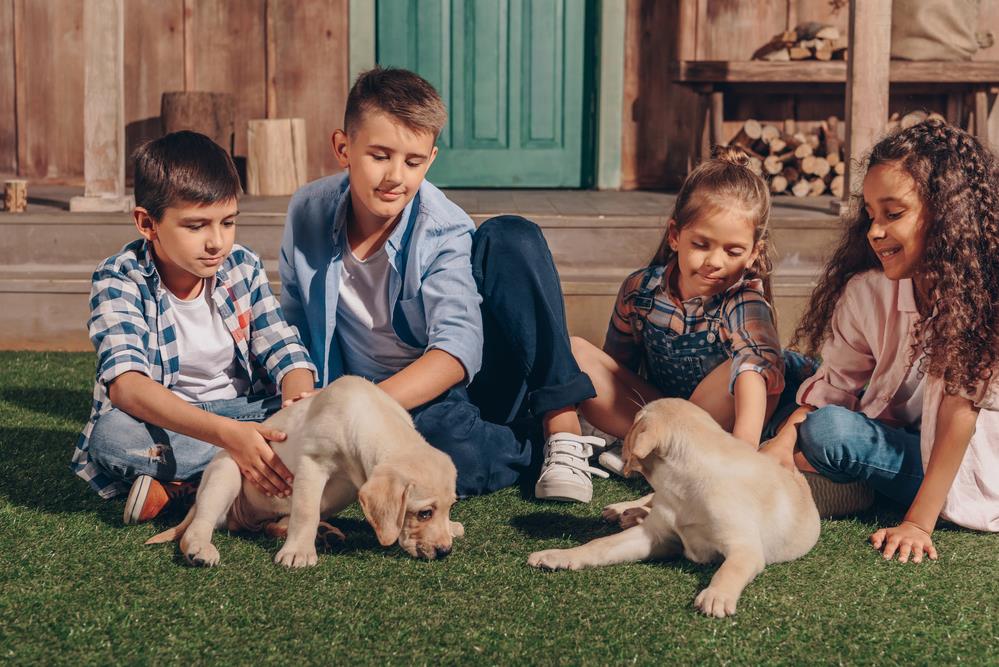
A safe relationship between children and pets is built, not assumed. It comes from shaping the household so children learn calm, respectful habits and animals keep the space to rest, retreat, and communicate before they are pushed past their limits. This is not about keeping kids and pets apart. It is about supervision, sensible boundaries, and a few simple hygiene habits that make the home feel predictable for everyone in it.1, 2, 3
What pets bring to a child's life
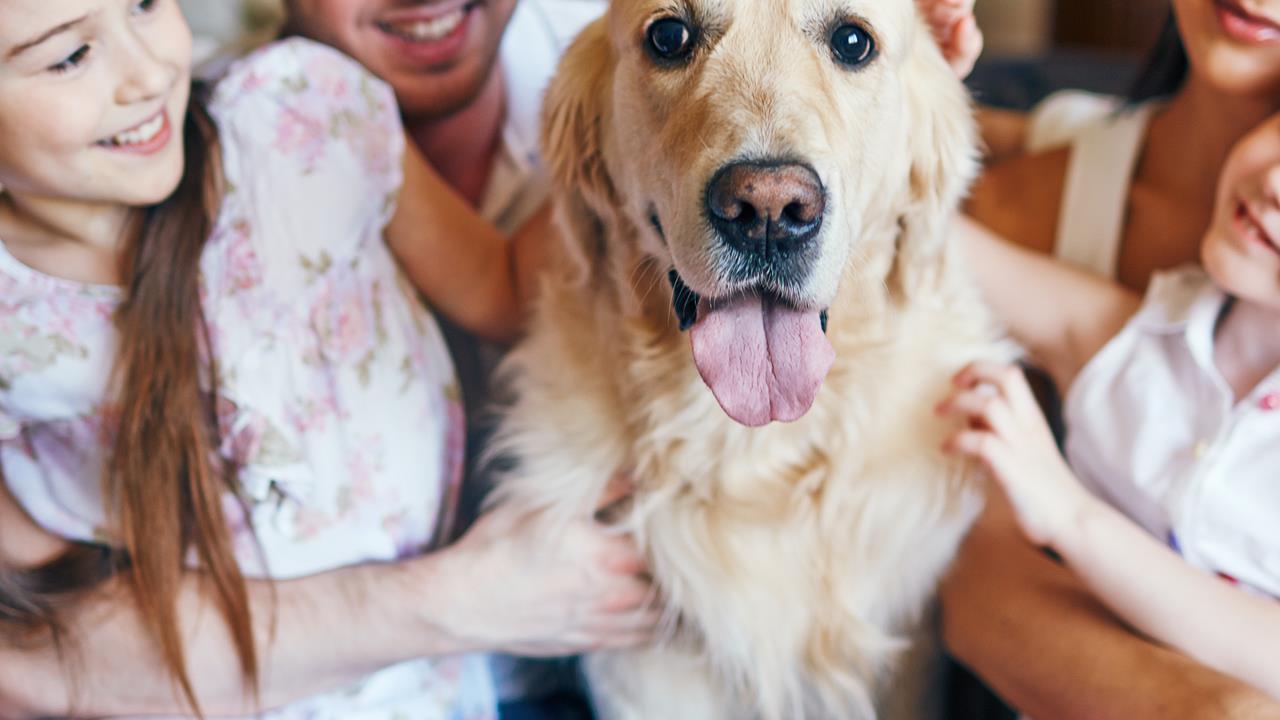
Pets add warmth and rhythm to family life. A dog draws children outdoors, a cat keeps quiet company, and a tank of fish can turn bedtime into a small ritual of care. Research suggests these relationships can support children's social and emotional development, and for some children contact with animals helps buffer stress.4
Those benefits are easiest to protect when adults keep their expectations realistic. Even the gentlest animal has limits, and children under school age are still learning impulse control, volume control, and what "gentle" actually looks like in practice.1, 2
Choosing the right pet for your family
Matching a pet to your household is less about the perfect breed and more about the daily conditions the animal will actually live in: noise, visitors, routines, exercise, and how much quiet space is available. An animal's current behaviour matters more than any label, so look for a pet that is comfortable with handling and household noise, and steer clear of animals that freeze, growl, lunge, or constantly try to escape interaction.1, 3
Quick checks before you commit
- Child age and behaviour: very young children are at higher risk of dog bite injuries, particularly in the home and with dogs they know.2, 3
- Time and supervision: if you cannot actively supervise, you need physical separation such as baby gates, closed doors, or secure outdoor runs.2, 3
- Health considerations: some animals carry higher zoonotic risk for young children, for example reptiles, amphibians, backyard poultry, and rodents.5
- Temperament and history: favour an animal that settles with handling and noise over one that hides or lashes out.1, 3
Adult animals or puppies and kittens
Adult animals often arrive with a clearer, more stable temperament, and many already have basic training. Puppies and kittens can be wonderful, but they need more supervision, structured training, and protection from rough handling while they learn to cope with a busy home.3
Teaching children to interact safely
Children learn fastest from what they see. If adults hug the dog tightly, kiss the cat's face, or let the puppy be climbed on, children will copy it exactly and without context. The household rules below give kids a clear, repeatable pattern to follow.
Approaching a pet
- Move slowly and let the animal choose to come closer.
- For dogs, offer the back of a closed hand low and still, then pat gently on the shoulder or chest rather than reaching over the head.1, 6
- Always ask the owner before approaching an unfamiliar dog, even one that looks friendly.6
Hands: what is safe and what is not
- Do: gentle strokes, short interactions, and calm voices.1, 6
- Do not: hug around the neck, climb, pull ears or tails, lie on the animal, crowd its face, or grab it when it tries to move away.1, 3
When to leave pets alone
Many bites and scratches happen during ordinary moments when an animal is trying to protect space or settle discomfort. Teach children that these are no-touch times:1, 2, 3
- Eating or guarding a chew or toy
- Sleeping or resting in a bed or crate
- Unwell, injured, stiff, or newly recovering from surgery
- Caring for puppies or kittens
- Backing away, hiding, growling, hissing, freezing, or showing the whites of the eyes
Why supervision matters most
Close, active supervision is the single biggest safety tool you have. Being in the same room is not enough. An adult needs to be watching closely enough to step in early, before a pet feels cornered or a child gets excited and forgets the rules.2, 3
Young children are at the highest risk of dog bite injuries, and serious incidents commonly happen at home with dogs the child already knows. That is why most safety guidance is blunt on this point: do not leave young children alone with dogs, even family pets.2, 3
Health: allergies, hygiene, and zoonotic disease
Animals can carry germs even when they look perfectly healthy. Good hygiene reduces the chance of stomach bugs, skin infections, and other zoonotic illnesses moving through a household.7, 8
Simple hygiene habits that work
- Wash hands with soap and water after touching pets, their food, toys, bedding, cages, tanks, or waste, and supervise young children while they do it.7, 8
- Keep pet feeding areas and habitats away from where human food is prepared.
- Take extra care with children under five around higher-risk animals, especially reptiles, amphibians, backyard poultry, and rodents.5
Boundaries at home: shared spaces and retreat spaces
Most conflict between children and pets comes from crowding: too much noise, too many hands, too little room to escape. Clear boundaries make the home feel predictable for everyone.
Set up a safe retreat for your pet
- Provide a crate introduced gently, a baby-gated room, a high cat tree, or a quiet corner with bedding and water.
- Hold one firm rule: when the animal is in its retreat space, nobody follows, pats, or pulls it out.
Use separation when you cannot supervise
If you are cooking, on the phone, settling a baby, or taking a shower, use physical barriers rather than hoping the children remember. This matters most with toddlers and dogs.2, 3
Addressing problems early
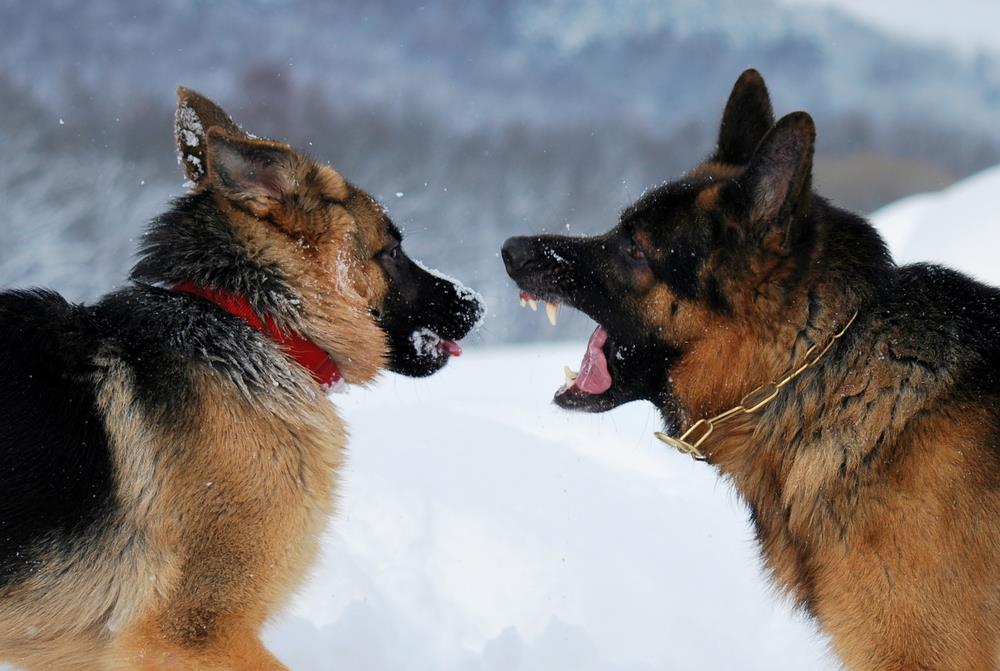
A pet that is growling, snapping, hiding, or constantly trying to leave an interaction is giving you useful information. Treat it as a safety signal, not naughtiness. Create distance, lower the household intensity, and get professional help early.
Responding to fearful or reactive behaviour
- Stop the interaction calmly and separate child and pet.
- Check for pain or illness, since animals are more likely to bite when they are sick or sore.9
- Use reward-based training and gradual exposure under guidance, and avoid punishment-based methods that can increase fear.1
When children are scared of a pet
Fear is protective, so do not push physical contact. Begin with distance: watching the pet move around the room, feeding treats through an adult, and short supervised interactions that end before either child or animal becomes overwhelmed.
If a bite or scratch happens
Even small wounds can become infected, and facial injuries can be serious in young children. First aid varies by situation, but the immediate priorities are consistent: move the child to safety, control bleeding, clean the wound with running water, and seek medical care. Treat deep wounds, facial bites, heavy bleeding, or any uncertainty as urgent.10
A steady relationship, built over time
Safe bonds form through thousands of quiet, ordinary choices: a toddler redirected before grabbing, a dog given space to rest, a cat allowed to leave, a parent modelling calm hands. With supervision, boundaries, and simple hygiene, children and pets can share a home that feels secure for both.1, 2, 7
References
- Sydney Children's Hospitals Network (NSW Government), Staying safe around pets
- Agriculture Victoria (Animal Welfare Victoria), Preventing dog attacks in the home
- Better Health Channel (Victoria), Animals and child safety
- National Library of Medicine (PMC), The Power of Pets: Health Benefits of Human and Animal Interactions
- CDC, People at Increased Risk for Illness from Animals (guidance for children under 5 and higher-risk animals)
- Dog and Cat Management Board (SA Government), Children and dogs
- CDC, Hygiene practices around animals
- CDC, Ways to stay healthy around animals (Healthy Pets, Healthy People)
- American Veterinary Medical Association (AVMA), Simple steps to prevent dog bites (including vet checks and supervision)
- The Royal Children's Hospital Melbourne, Keeping kids safe around dogs (and what to do if bitten)

Dog lover and writer at My Pets Australia, sharing practical breed guides and care advice for Australian pet owners.