Oriental Shorthair Cat
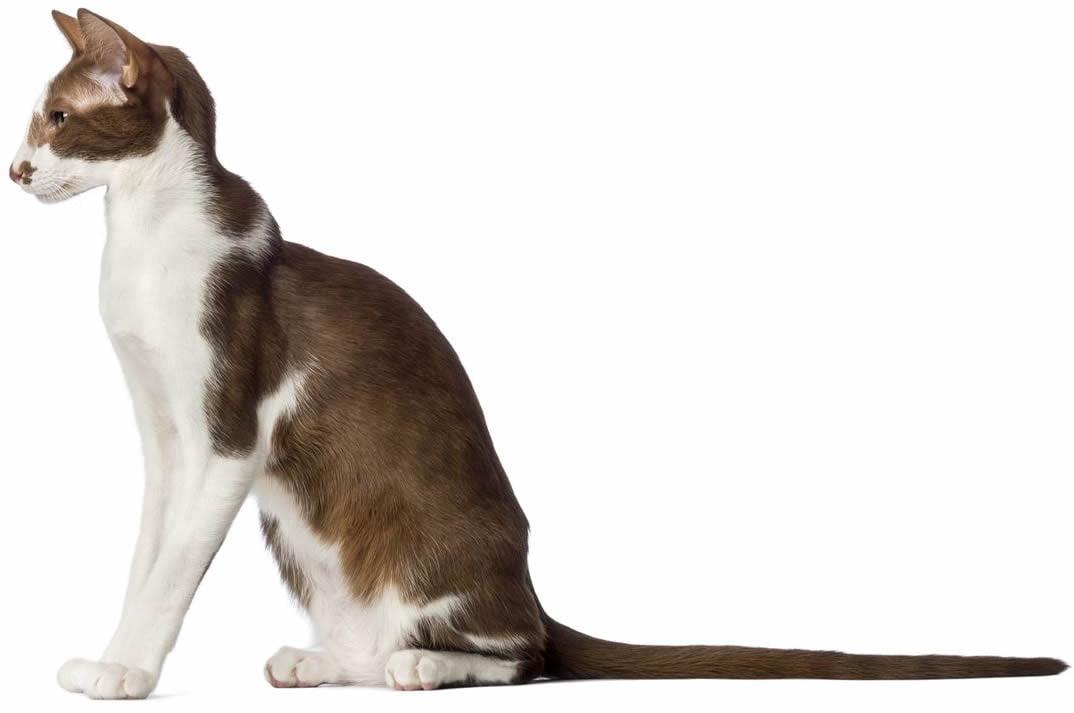
The Oriental Shorthair is a modern pedigree cat built on the same long, fine-boned frame as the modern Siamese, minus the pointed pattern. Its signature is variety, with a huge range of coat colours and patterns wrapped around large ears, almond eyes and long, tapering lines. They are bright, social, people-focused cats that want to be in the middle of whatever you are doing. That closeness is the appeal, and it is also the catch, because many are talkative and some are genuinely persistent about attention, food and play. If you take their need for contact, routine and play seriously, they make wonderful company.1, 2, 3
History and Origin
Despite older claims you may still see online, the Oriental Shorthair is not an ancient breed from the Middle East. It is a deliberately developed Siamese-type cat that took shape from the 1950s onward, first in the UK and Europe, then strongly developed in the United States. Breeders expanded the colours and patterns through carefully managed outcrossing and selection.2, 3, 4
Over time the many non-pointed Siamese-type cats were grouped under the Oriental name in the major registries, rather than being treated as dozens of separate breeds by colour.4
Appearance and Physical Characteristics
Oriental Shorthairs are medium in size, but they often look larger than they weigh because of their length and fine frame. The breed standard emphasises a long, tubular body, a long tapering wedge-shaped head, very large ears and a long, whippy tail.1, 3
The coat is short, fine and close-lying. The colour and pattern options are extensive, which is one of the breed's signature traits across the registries.1, 2
Temperament and Personality
These are bright, social, highly interactive cats. They usually prefer to be near people, on laps, on shoulders or parked in the middle of the hallway, tracking household movement like a small, elegant shadow.1, 2
Vocalising is common. Some cats are chatty in brief bursts, others narrate the whole day in long, insistent conversations. If you want a quiet, self-contained cat, this breed group can be a mismatch.2
Is an Oriental Shorthair Right for You?
The honest answer depends on how much of your day the cat gets. They usually suit households that are home a fair bit, enjoy play and interaction, and do not mind a talkative cat.1, 2 They can be a poor fit for people who are out long hours every day, for light sleepers, or for anyone wanting a low-demand companion.
Diet and Nutrition
There is no special Oriental Shorthair diet. They do best on a complete and balanced cat food suited to their life stage, whether kitten, adult or senior. If you are mixing foods or adding extras, keep treats and human food to a small fraction of total intake so the main diet stays nutritionally complete.7
Because they are typically active and athletic, build small pockets of movement into the day: short play sessions, climbing opportunities, puzzle feeders, and toys that encourage stalking and jumping rather than constant snacking.
A simple home set-up covers most of it:
- One tall, stable cat tree near a window for climbing and watching.
- Two short interactive play sessions daily, using a wand toy, a tossed toy or chase games.
- A rotating set of toys each week so the environment stays interesting.
Grooming and Care
The short coat is easy-care, but a weekly going-over is still worth it, less for looks and more for skin and coat health, shedding control, and early detection of lumps, parasites or sore spots. Many Orientals enjoy gentle grooming when it is kept calm and brief.1
- Nails: trim as needed. If you are unsure, ask your vet clinic to show you how to clip safely.8
- Ears: check weekly for discharge or smell, and seek vet advice rather than cleaning aggressively at home.8
- Teeth: dental disease is common in cats and home care helps. Use toothpaste made for cats, never human toothpaste.8, 9
Health and Lifespan
Oriental Shorthairs are often robust cats, but like many pedigreed lines they carry some inherited risks. The sensible response is not worry, it is screening, good records, and a breeder who can clearly explain what they test for and why.
Hypertrophic cardiomyopathy (HCM) is the most common heart disease in cats overall. Many cats show no signs early on, and the condition varies widely in severity; in serious cases it can progress to heart failure or blood clots.5 If you are buying a kitten, ask what heart screening the breeder does in their lines and whether a veterinary cardiologist has performed echocardiograms on the breeding cats, and how recently.
Progressive retinal atrophy (PRA) affects some Siamese-related breeds, including Orientals, as an inherited retinal degeneration. DNA testing is available for at least one PRA variant (rdAc/CEP290) that is relevant across several breeds, and responsible breeders use the results to avoid producing affected kittens.1, 6
Amyloidosis, particularly liver involvement, is reported in Oriental Shorthairs and Siamese, a serious condition involving abnormal protein deposits. Diagnosis usually involves veterinary investigation such as blood and urine testing, imaging and sometimes biopsy.10
Training and Enrichment
Orientals are often quick to learn household routines and take well to reward-based training. Keep sessions short, use small treats or a favourite toy, and aim for calm repetition rather than pushing for big tricks.
- Useful basics: come when called, go to a mat, and accept handling of paws, mouth and ears.
- Enrichment favourites: food puzzles, clicker training, and climbing routes that let them move vertically through the room.
The Bottom Line
An Oriental Shorthair is not just a look. It is a whole style of cat: sleek, alert, social, often vocal, and usually happiest when the household treats it as a daily companion rather than background life. Choose a breeder who screens thoughtfully, keep up with routine vet checks, and provide steady play and contact, and you will often end up with an intense, bright presence that settles close by, watches everything, and joins in.
References
- The Cat Fanciers' Association (CFA), Oriental (breed information and history)
- Governing Council of the Cat Fancy (GCCF), Oriental (profile and history)
- FIFe, Breed standard (Siamese/Oriental group, includes Oriental Shorthair)
- The International Cat Association (TICA), Oriental Shorthair (breed history and development)
- Merck Veterinary Manual (Professional), Hypertrophic cardiomyopathy in dogs and cats
- UC Davis Veterinary Genetics Laboratory, Progressive Retinal Atrophy (PRA rdAc) test information
- WSAVA, Global Nutrition Guidelines (how to choose and use complete diets)
- RSPCA Pet Insurance (Australia), Grooming your cat (nails, ears, dental notes)
- RSPCA Pet Insurance (Australia), Guide to cat dental care (including toothpaste safety)
- PetMD, Oriental Shorthair (health overview including amyloidosis and retinal degeneration)

Dog lover and writer at My Pets Australia, sharing practical breed guides and care advice for Australian pet owners.