Ocicat
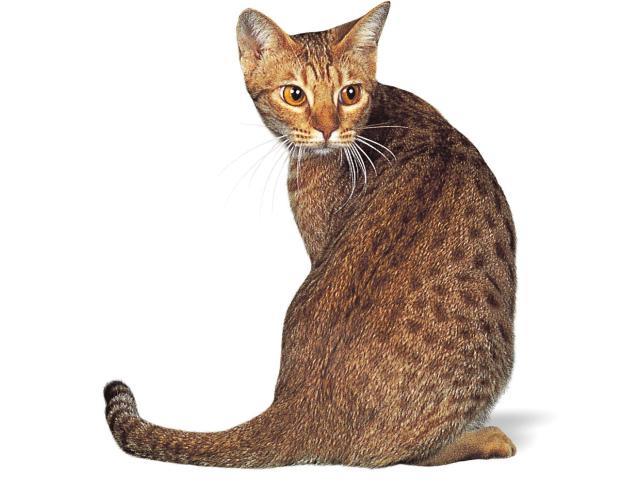
The Ocicat is a fully domestic cat that happens to look like a small wild one: solid muscle under a short glossy coat, marked all over with clear spots. Despite the ocelot-style pattern there is no recent wild DNA in the breed, so what you get is a confident, sociable house cat that greets visitors and follows the household from room to room. That good nature is the main reason people love them, and the athletic build is the reason they need more than a food bowl and a sunny windowsill. This is a bright, busy cat that does best with owners who actually want to play with it every day.
Size: Medium to large1
Weight: Males about 4.5 to 6.4 kg; females about 2.7 to 4.5 kg (individuals vary)1
Coat: Short, close-lying, glossy1
Colours: Spotted in 12 recognised colours (including chocolate, cinnamon, blue, lilac/lavender, and silver varieties)1
Temperament: Confident, social, playful; often greets visitors2
Intelligence: Quick to learn routines; enjoys interactive play and training2
Health: Generally robust, but still needs routine preventive care (no breed is issue-free)1
Lifespan: Commonly around 12 to 18 years (varies with genetics and care)3
Grooming: Low maintenance; a weekly brush helps remove loose hair and adds shine1
Activity level: High; thrives with daily play and mental stimulation1
History and Origin
The Ocicat is an American breed, and it started as a happy accident. In the mid-1960s breeder Virginia Daly was working with Siamese and Abyssinian lines, and in the second generation a spotted kitten appeared: domestic in temperament, but with a coat that echoed an ocelot's patterning. That look became the anchor point for the breed, later supported by outcrossing to add substance and consistency.2
Major registries recognised the breed at different times. FIFe lists the Ocicat as recognised since 1992, and the CFA advanced it to championship competition in 1987.2, 4
Appearance and Physical Characteristics
An Ocicat has the feel of a compact runner: solid muscle under a sleek, close coat, with enough length in the body to look poised rather than heavy. The head is a modified wedge, the ears are set at a noticeable angle, and the eyes are almond-shaped and alert. In FIFe standards all eye colours are accepted except blue.2
The hallmark is the spotted tabby pattern: clear, contrasting spots arranged over the body rather than smeared into stripes. Colour names vary slightly by registry, but the recognised set commonly includes tawny/black, chocolate, cinnamon, blue, fawn, lilac (often called lavender), plus silver versions of those colours.1
Temperament and Personality
Ocicats are widely described as social, curious, and interactive. Many will follow household activity from room to room, not from neediness, but from a steady interest in what is happening. They tend to cope well with respectful visitors and can do well with gentle children and other pets when introductions are managed properly.2
They are also busy-minded. Without enough to do, they invent their own projects: opening cupboards, scaling shelves, testing the acoustics of a hallway at night. This is a breed that suits people who enjoy an engaged cat rather than a purely decorative one.2
Is an Ocicat Right for You?
The temperament is the easy part to fall for, and it is genuinely lovely. The catch is the energy. An Ocicat is not a low-input cat, and a household that is out long hours with no other pet and no plan for enrichment will end up with a bored, mischievous animal. If you like the idea of a cat that plays fetch, learns cues, and wants to be involved in your day, this is a great fit. If you want a calm cat that mostly sleeps and asks for little, look at a quieter breed. Give an Ocicat things to climb and think about and it settles into a bright, companionable rhythm.1, 2
Training and Exercise
Ocicats respond well to reward-based training because they are quick to connect actions with outcomes. Keep sessions short, calm, and frequent. Many learn simple cues such as come, sit, and stationing on a mat, and they enjoy puzzle feeders and food-dispensing toys.
Daily exercise is not optional for this breed. Aim for a few active play blocks across the day rather than one long session. Wand toys, chase games, climbing, and supervised outdoor time (a cat-safe enclosure or harness training) all suit the Ocicat's athletic build and alert nature.1
Health and Lifespan
The Ocicat is often described as generally healthy, but no known breed-specific issues is too absolute a claim for any pedigree. Treat the breed as robust rather than exempt: keep up routine veterinary checks, dental care, parasite prevention, and weight management.1 With good care most Ocicats live around 12 to 18 years, though this varies with genetics and individual care.3
Grooming and Care
The coat is short and low-maintenance. A weekly brush or grooming mitt removes loose hair and helps distribute skin oils, leaving that characteristic gloss. Nails, teeth, and ears still need regular attention, because a short coat does not reduce the basics.1
Diet and Nutrition
Feeding matters most when it is boring and consistent: a complete, nutritionally balanced cat food matched to life stage, measured so the cat stays lean and athletic. Fresh water should always be available, and changes in appetite, thirst, or litter habits are worth a prompt check-in with your vet.
A Few Things Worth Knowing
- Plan vertical space: tall scratching posts, sturdy shelves, and a window perch channel climbing into safe routes.
- Use interactive feeding: puzzle toys and scatter feeding slow fast eaters and occupy the mind.
- Protect your sleep: schedule play before bed and keep night-time rewards, like feeding at 4 am, off the table.
- Introduce pets thoughtfully: slow, scent-first introductions reduce tension and set a calmer baseline.
- Choosing a breeder: look beyond the spots. Ask about health screening, the temperaments of the parents, and how kittens are raised in the home, including handling, noise exposure, and litter training. Show standards reward athletic balance, clear spotting, and overall condition rather than extremes, which keeps the breed's look functional.2 The CFA also lists allowable outcross breeds under specific conditions and timelines, details that responsible breeders track carefully when planning litters.4
The Bottom Line
The Ocicat is a domestic cat in a wild-patterned coat: muscular, social, and switched on. It suits homes that enjoy daily interaction, with play, training, and the gentle structure that keeps an intelligent cat calm. Give them space to climb, something to think about, and steady preventive care, and they tend to settle into a bright, companionable rhythm that lasts for years.1, 2
References
- The International Cat Association (TICA), Ocicat (breed information)
- Fédération Internationale Féline (FIFe), Ocicat (history, temperament, recognition, standard overview)
- Adopt-a-Pet, Ocicat breed profile (lifespan, general traits)
- Cat Fanciers' Association (CFA), Ocicat (breed information and outcross policy notes)

Dog lover and writer at My Pets Australia, sharing practical breed guides and care advice for Australian pet owners.