My Dog Floppy
Floppy is my old dog, and she has come back into my life late in the day: slower now, profoundly deaf, carrying a short list of medications. Her story runs across a lot of changing ground, from rescue and training through friendship, loss and rehoming, then a return to me at fifteen. What follows keeps the shape of that journey while trimming the repetition and gently correcting a few health claims with reliable veterinary guidance where it matters. The question that runs underneath it is a practical one as much as a tender one: what does an old dog need now, and what matters most.
Floppy, found and carried
Floppy came to me as a deserted stray, worn down and paralysed by a tick. I remember hesitating before I picked her up, because she looked fearsome in that first moment and I was not sure what hands near her face might invite. Tick paralysis can make a dog look far worse than they feel, weak and unsteady, sometimes unable to swallow properly or breathe well if it progresses, and the urgency is real.1, 2 Four days after she recovered, the surface story fell away. She was gentle with my children and steady around other animals, protective of her turf but not brittle, and not looking for trouble.
A dog with a hidden history
For an abandoned dog, she was remarkably well trained. She heeled. She sat, stayed, rolled over, and she sang. One detail still stands out: after days with no food, I put a bowl down and she did not touch it. She just watched me. Then I said, "Eat," and she finished it in seconds. It felt like a trained rule, held onto even when she had been hungry and alone, and I remember thinking that someone, somewhere, had put serious time into her.
Later I met her former owners, a scruffy pair living on a bush lot. They had bought her to guard their "exotic garden", then abandoned her when they could not train her to be vicious.
Shadow, the farm, and the door she could open
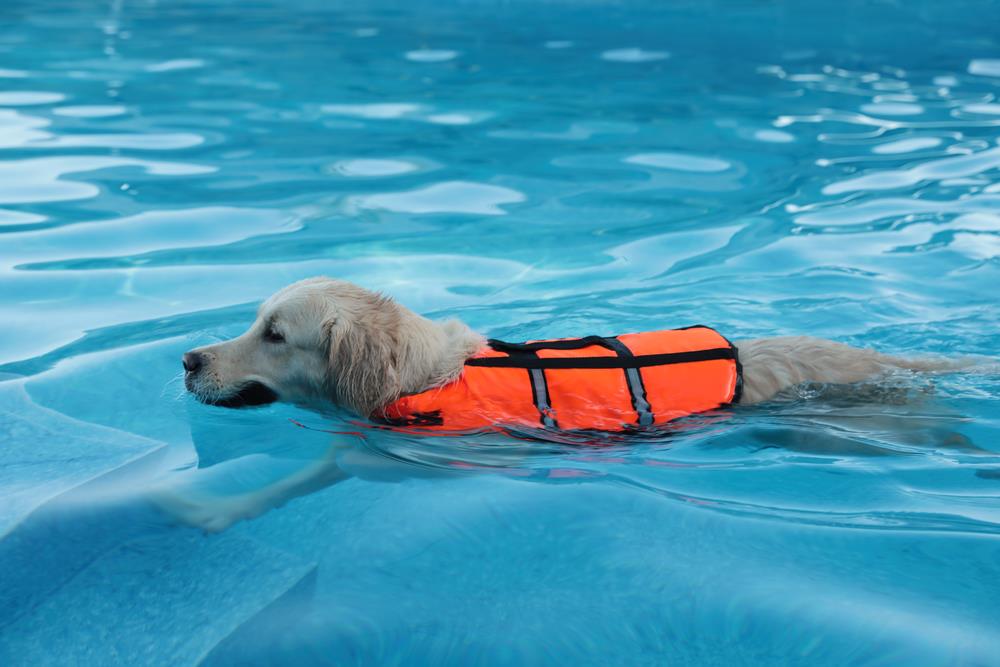
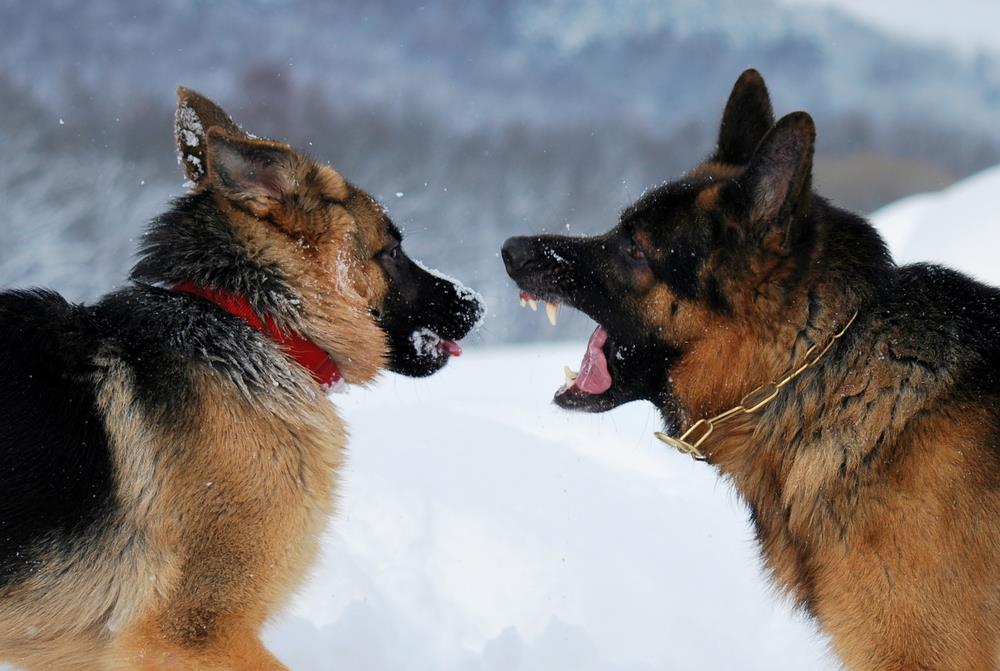
The following year we acquired a male German Shepherd Dog, Shadow, and Floppy became his anchor. They were inseparable, running the farm, swimming in the dam, and coming to the beach with me. They even learnt a kind of surf awareness: timing the break, keeping their heads, getting through water that looks simple until you are in it.
Shadow died at four years of age after a kitchen raid that Floppy made possible with her door trick. She would bang her nose into the corner, lift the heavy glass door up and off its catch, then slide it with her paw. One day Shadow found chocolate, kilograms of it, and ate it. Chocolate is genuinely dangerous for dogs. The toxic agents are methylxanthines (especially theobromine), and serious poisoning can involve gut upset, agitation, abnormal heart rhythm, tremors, seizures, and death, depending on the dose and the type of chocolate.3, 4 High-fat, rich foods can also trigger pancreatitis in some dogs, and some veterinary sources note that very fatty treats, including some chocolate products, can be part of that picture.5, 6 Whatever the precise chain inside his body, the outcome for our family was the same, sudden and brutal. Floppy lost her best mate.
Rehomed, then held close
Four weeks later a notice arrived from our real estate agent: the house was being sold and we had to move out. We searched, and searched again, but could not find another home where dogs were allowed. Floppy went to live "temporarily" with my sister, who already had a border collie, Ryka. The two dogs hit it off immediately, with quick checks at the gate, shared shade, and the unspoken ease that sometimes forms between dogs who do not need to prove much.
A year passed and I still could not find a dog-friendly place. Then Ryka died. By then, taking Floppy back felt less like a reunion and more like another rupture, so my sister kept her for the next six years.
Fifteen years old, and back again
I did not think Floppy would reach old age. She already seemed old at eight, yet at fifteen she was still here, slower but present. Then it became my sister's turn to move, around 5,000 kilometres away, and a trip like that did not feel fair on a dog her age. I am now in a position to provide a home for her, and Floppy has returned to me.
What old age looks like on a good day
She is still herself, just old. She takes arthritis medication and heart tablets, and she is profoundly deaf, though a high-pitched whistle still sometimes cuts through. Dogs can hear higher frequencies than humans, and that ability can remain useful even when hearing is reduced overall.7 She can also hear my old diesel 4WD coming down the road, a low rumble you feel as much as you hear.
Her walks around the block are slow, about 300 metres at most. She wants to go further, but her body will not always negotiate the distance. Once, I carried her the final 150 metres, and it pulled me straight back to the day I first found her and carried her to my car. Her favourite place is under my table while I work at the computer, tail wagging, with the occasional foot lick and, still, the singing, which is odd in a dog who cannot hear much now but familiar all the same.
A quiet note on safety
For anyone living with a dog like Floppy, a few things are worth holding onto.
- If you find a paralysis tick or suspect tick toxicity, treat it as urgent. Veterinary attention straight away matters, and keeping the dog calm can help while you get there.1, 2
- If a dog gets into chocolate, do not "wait and see". Risk depends on the dog's size and the type and amount eaten, and it can escalate quickly, especially with darker chocolate.3, 4
- Older dogs tire earlier than their minds expect. Short, familiar walks and soft footing usually beat one big outing, and it is normal for distances to shrink over time.
Floppy
I do not know how much time she has left. But for now, each day has its own small steadiness, and that is enough. This is my old dog, Floppy.
References
- University Veterinary Teaching Hospital Sydney (University of Sydney), Tick paralysis
- RSPCA Australia, Be prepared: Spring is here and so are the ticks
- MSD Veterinary Manual, Chocolate toxicosis in animals
- ASPCA, People foods to avoid feeding your pets (Chocolate, coffee and caffeine)
- VCA Animal Hospitals, Pancreatitis in dogs
- ASPCA, What to do if your pet gets into chocolate
- American Kennel Club, Sounds only dogs can hear: higher pitches

Dog lover and writer at My Pets Australia, sharing practical breed guides and care advice for Australian pet owners.