Korean Jindo Dog
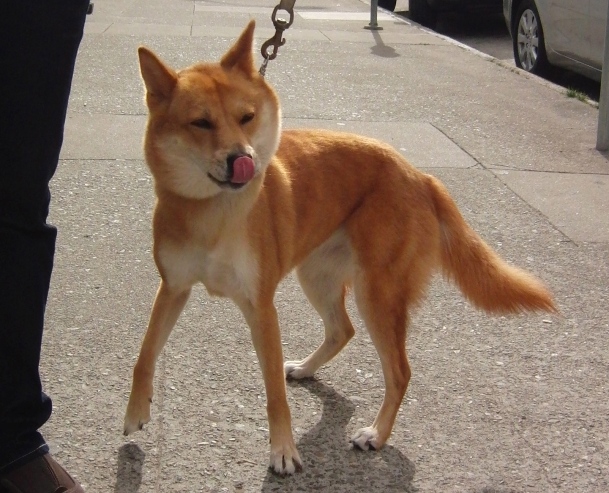
The Korean Jindo Dog is a medium spitz-type hunting breed from Jindo Island off the south-west of the Korean peninsula, and its calling card is loyalty. Jindos bond hard with their own people, often fixing on one primary handler, and they carry themselves with the tidy, athletic confidence of a dog bred to work. They are intelligent, alert and clean-living, which is a big part of the appeal. The trade-off is independence: a Jindo makes its own decisions and holds strong opinions about territory and strangers. In the right home that is rewarding, and it is worth understanding before you commit.
Size: medium
Height: males 50 to 55 cm; females 45 to 50 cm (breed standard ranges)1, 2
Weight: males 18 to 23 kg; females 15 to 19 kg (breed standard ranges)2
Coat: double coat; harsh, straight outer coat with a soft, dense undercoat2, 3
Colours: red fawn, white, black, black and tan, wolf grey, brindle (other colours not accepted under breed standards)2, 3
Lifespan: often around 12 to 15 years (some sources cite about 14 to 15 years)6
Temperament: loyal, alert, independent; typically reserved with strangers and may be selective with other animals2, 6
Energy level: active; needs regular physical exercise and daily mental work6
Trainability: intelligent but not automatically compliant; does best with calm, consistent training and early socialisation6
Grooming: weekly brushing most weeks, with heavier shedding seasonally; bathe as needed6
History and Origin
The Korea Jindo Dog developed on Jindo Island, where geographic isolation helped keep the type consistent over generations.7 In South Korea it is formally protected as Natural Monument No. 53, designated in 1962 under Korea's cultural heritage protections, a status that reflects its standing as a working hunter and close guardian prized for steadiness and loyalty.5 Internationally the breed is recognised by the Fédération Cynologique Internationale (FCI) as the Korea Jindo Dog (FCI No. 334), with definitive recognition from 6 July 2005.1
Appearance and Physical Characteristics
The Jindo reads as a classic spitz: a wedge-shaped head, prick ears, and a thick tail commonly carried curled or sickle-like over the back. The overall impression is tidy and athletic rather than heavy.2, 3 The coat is built for weather, with a soft, dense undercoat sitting under a harsher outer coat that stands slightly off the body, and longer furnishings on the neck, rump, tail and backs of the thighs.2, 3
Temperament and Personality
Jindos are loyal and attentive to their own people, often forming a particularly strong bond with one primary handler.6 They tend to be naturally reserved with strangers, and that reserve can tip into pushy guarding if boundaries are not clear.6 Many also have a pronounced prey drive, which matters most in the small moments: an open gate, a loose lead, a flash of movement in the scrub. Management and training need to be practical rather than hopeful.6 Early, steady socialisation helps a Jindo read the world without overreacting, but it does not erase the breed's core traits. Expect a dog that watches first and decides second.6
Is a Korean Jindo Right for You?
A Jindo suits people who enjoy a dog with opinions and can meet it with structure. For a first-time owner who wants an instantly friendly, go-with-the-flow companion, honestly, it is a poor match. The make-or-break factors are usually not the basics of food, walks and grooming. They are the practical realities of living with an independent, high-drive dog.
- Secure containment: fences, gates and a routine, because prey drive and roaming can be strong6
- Time for training well beyond puppyhood
- Management around other animals, especially small pets, depending on the individual dog6
- Comfort with a dog that is reserved rather than instantly friendly to everyone6
When those pieces are in place, the dog's independence becomes a feature rather than a fight.6
Training and Exercise
A Jindo responds best to training that is quiet, consistent and clear. Harsh handling tends to backfire, and sloppy handling is simply ignored. The handler's job is to be calm enough that the dog does not feel the need to take over.6 Exercise is not just about wearing them out. It is daily movement plus structured mental work, otherwise the dog will invent its own projects, often involving fences, gates and the neighbourhood horizon.6
- Daily movement: brisk walks, running alongside once mature, or free movement in a secure area
- Daily thinking work: scent games, structured obedience, problem-solving feeders, short training blocks
- Containment: secure fencing and a plan for doors and gates6
Health and Lifespan
The Jindo is often described as generally healthy and commonly lives around 12 to 15 years.6 As with any breed, some conditions do show up, and the point is not to assume illness but to avoid surprises and plan sensible screening with your vet.6 Issues reported in the breed include:
- Hypothyroidism6
- Discoid lupus erythematosus (DLE), an immune-mediated skin condition affecting the nose and face, with sunlight often worsening signs6
- Hip dysplasia, reported though not always common6
Grooming and Care
Grooming is straightforward. Weekly brushing suits most weeks, stepping up during the heavier seasonal shed to keep the undercoat from compacting, and you bathe as needed.6 The rest of routine care is simple but not optional: weight management, parasite control and dental care all keep a Jindo in good order for the long haul.
A Few Things Worth Knowing
- The breed is protected in South Korea as Natural Monument No. 53, a mark of its cultural standing.5
- Only certain colours are accepted under breed standards, including red fawn, white, black, black and tan, wolf grey and brindle.2, 3
- Breed standards exist to anchor what a Jindo is meant to be, sound and functional, rather than a lookalike shaped by trends. As the breed becomes more visible outside Korea, careless breeding for looks or novelty is the main risk to temperament and health.1, 2
The Bottom Line
A Korean Jindo Dog is alert, athletic and selective in its trust, and it rewards owners who enjoy exactly that. Give it structure, secure space and steady training, and you tend to get a composed companion that moves through the world watching, assessing and staying close to the people it recognises as its own. It is also a serious commitment, so go in prepared for the containment and training the breed genuinely needs.
References
- Fédération Cynologique Internationale (FCI), Korea Jindo Dog (No. 334) breed nomenclature
- United Kennel Club (UKC), Breed Standards: Jindo
- The Kennel Club (UK), Korean Jindo breed standard
- Korea Kennel Federation, Korean breeds: Korea Jindo Dog (FCI Standard No. 334 overview)
- Wikipedia, Korean Jindo (background on Natural Monument designation and general overview)
- PetMD, Jindo: breed information and health issues
- European Korean Jindo Dog Association, FCI standard summary (size, weight, coat, colours)
- European Korean Jindo Dog Association, health notes for the breed
- FCI, official breed standard PDF for Korea Jindo Dog (No. 334)

Dog lover and writer at My Pets Australia, sharing practical breed guides and care advice for Australian pet owners.