Kitten Care Guide: Essential Tips for Raising a Happy and Healthy Kitten
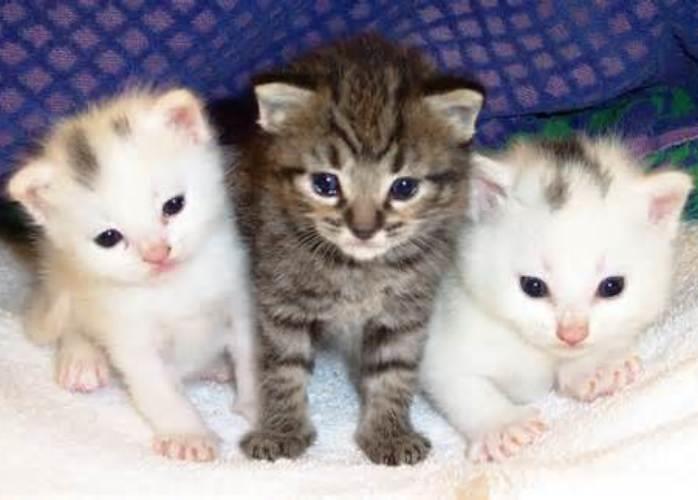
A kitten is a small, fast-learning cat, and the first year is when most of the habits that stick get set. Litter training, calm handling, settling at night, safe play: kittens pick all of it up quickly, for better or worse. The appeal is obvious, because a well-raised kitten grows into an easy, affectionate housemate. Getting the basics right early also saves money and stress later. This guide covers the practical checks that matter most in the first twelve months, with Australia-specific notes on vaccination and microchipping.1, 2
Preparing your home
A kitten needs surprisingly little, but the right few items make the first days calmer. Have these ready before it arrives: a litter tray with unscented litter (easy to step into), ceramic or stainless steel food and water bowls, kitten food labelled "complete and balanced" for growth, a carrier for vet trips, a stable scratching post, a few simple toys (wand toys for shared play, small balls, a rotating handful of favourites), and a quiet sleeping spot such as a washable bed or a soft blanket in a covered box.
Kittens explore with teeth and paws, so kitten-proof at floor level before letting them loose. Secure cords and chargers so there is nothing to chew or tangle in. Remove small swallowable objects like rubber bands, string, hair ties and children's toys. Check windows, balconies and flyscreens, because falls happen quietly and fast. Lock away chemicals and medicines, including essential oils and cleaning pods. Assume a kitten will sample any houseplant, and move anything you are unsure is cat-safe out of reach. For the first few days, most kittens settle best in one starter room with food, water, tray and bed, then earn more of the house as they learn the routine.
Nutrition and feeding
Adult cat food is not enough for a kitten. Kittens are building bone, muscle, eyes and brain on a tight schedule, so feed a diet made for kittens (growth or life stage), which meets the higher energy and nutrient needs of rapid growth.3
Small, frequent meals suit most kittens better than one large serve. A rough guide: around 4 small meals a day at 8 to 12 weeks, at least 3 meals a day from 3 to 6 months, and 2 to 3 meals a day from 6 to 12 months. Exact portions depend on the food and the kitten's size, so use the packet guide as a starting point and ask your vet if you are unsure. Wet food helps with hydration and dry food is convenient, so many households use a mix. Fresh water should always be available.3
Some common "just a taste" foods are genuinely dangerous for cats, so keep these well out of reach: onion, garlic, chives and leeks (can damage red blood cells); grapes, raisins, sultanas and currants (risk of kidney failure); coffee, tea, energy drinks and other caffeine products; chocolate; cooked bones (can splinter and injure the gut); and milk and dairy (often causes diarrhoea, as many cats do not digest lactose well). If you suspect your kitten has eaten something toxic, call your vet urgently. In Victoria, Agriculture Victoria keeps a clear list of human foods to avoid for cats that is worth bookmarking.4
Health and veterinary care
Book a check-up soon after bringing your kitten home, or before, if you are choosing between kittens. A vet can check weight, heart, lungs, eyes, ears, mouth and skin, look for fleas and signs of intestinal worms, set up a vaccination plan matched to your kitten's real-world risk (indoors only, other cats in the house, shelter or rescue background, future boarding), and discuss desexing timing, microchipping and parasite prevention.
In Australia, core cat vaccination is commonly called F3 and helps protect against feline panleukopenia ("enteritis") and the viruses that cause cat flu.1 RSPCA Australia notes that kittens need a primary course starting at around 6 to 8 weeks, with doses given every 3 to 4 weeks until the kitten is 16 to 20 weeks old, and the final vaccination no earlier than 16 weeks.1 After that, boosters are usually spaced out based on the vaccine used and your cat's circumstances, often every 1 to 3 years for core vaccines, and your vet will advise.2, 9
Many kittens pick up intestinal worms early in life, sometimes with few obvious signs. Your vet will advise a deworming schedule and the right product for your kitten's age and weight.
Socialisation and behaviour
What looks like chaos is usually rehearsal. Kittens practise the skills they will use as adults, stalking, pouncing, climbing and grappling with littermates, and that play is how they develop coordination and learn bite inhibition.
Early gentle handling helps kittens become comfortable with people. A widely cited sensitive period for social development runs roughly from 2 to 7 weeks of age, when kittens are especially responsive to calm, positive contact and to normal household sounds and movement.5 If your kitten is older, which is common with adoptions, you can still build confidence. Just go slower and let the kitten choose the distance and timing.
A few common issues have quiet fixes. For play biting and scratching, redirect onto toys, stop the game when teeth touch skin, and reward calm play. For scratching furniture, put a stable, tall scratching post near the favourite spot. For litter tray misses, keep the tray clean, accessible and away from noisy appliances, and see a vet if there is diarrhoea, constipation or straining.
Training and enrichment
Kittens learn by association: if something works, they repeat it. Keep training short, gentle and consistent. Build carrier comfort by leaving the carrier out with a soft blanket and the occasional treat inside. Practise handling with brief daily touches to paws, ears and mouth followed by a reward, which pays off later at nail trims and vet checks. Offer a few short, active play sessions each day, which suit most kittens better than one long one.
Grooming and hygiene
Grooming needs follow the coat. Short-haired kittens often manage with light brushing a couple of times a week, while long-haired kittens usually need more frequent brushing to stop mats forming behind the ears, under the arms and around the tail base.
Most kittens do not need regular baths. When hygiene jobs come up, keep it simple. Trim only the sharp tip of each nail and avoid the pink "quick". Wipe only what you can see on the outer ear with a vet-recommended cleaner, and never push anything down the canal. Spot-clean coat mess with a damp cloth first, and treat bathing as a last resort. Place the litter tray somewhere quiet and easy to reach, scoop daily, and wash the tray regularly. A clean tray prevents many "behaviour problems" that are really just hygiene preferences.
Safety and outdoor access
Outdoor access raises the risks: traffic, fights, parasites and infectious disease. If you want your kitten to experience fresh air, consider a secure cat run or harness training, and ask your vet what extra parasite prevention and vaccinations that lifestyle might need.1, 2
Microchipping is one of the simplest ways to reunite a lost cat with its family. In Victoria, cats must be microchipped before first council registration, and Agriculture Victoria describes a microchip as a permanent form of identification read by a scanner and matched to a registry record.6 Legal requirements vary by state, territory and council. RSPCA's legislation knowledgebase summarises microchipping rules across Australia, and Western Australia's Cat Act requirements include microchipping by 6 months and before transfer to a new owner, with details kept up to date on an approved database.7, 8 A collar and tag can help too, but collars come off and a microchip stays put.
A few things worth knowing
- Kittens are typically born with their eyes closed, opening over the first couple of weeks.
- Early play is more than entertainment. It is rehearsal for coordination and social skills.
The bottom line
Good kitten care is mostly quiet routine: safe spaces, the right food, steady handling, a clean litter tray and timely vet care. Get those right and the household usually settles into a rhythm, with the kitten growing sturdier, braver and more predictable by the week.
References
- RSPCA Australia, What you need to know about pet vaccinations
- RSPCA Knowledgebase, What vaccinations should my cat receive?
- IAMS, Kitten Feeding Guide
- Agriculture Victoria, Human foods to avoid for cats
- Cats International, Kitty Kindergarten (sensitive period 2 to 7 weeks)
- Agriculture Victoria, Microchipping of dogs and cats
- RSPCA Knowledgebase, Is microchipping mandatory for cats and dogs?
- Western Australia DLGSC, Microchipping (Cat Act requirements and database notes)
- University Veterinary Teaching Hospital Sydney, Kitten vaccinations schedule

Dog lover and writer at My Pets Australia, sharing practical breed guides and care advice for Australian pet owners.