Keeping Pets Safe Around Water
Water is one of the great pleasures of an Australian pet's life, from a backyard pool on a hot afternoon to a paddle at the local beach. Most dogs and even some cats can share it safely with a little planning. The catch is that water problems tend to arrive quietly: a slip off a smooth pool edge, a quick lap at an algae-fouled shoreline, a gulp too many during frantic play. Drowning, blue-green algae poisoning and water intoxication can all turn into emergencies within minutes to hours, so the sensible approach is to control access, supervise closely, and treat any odd behaviour after a swim as time-sensitive.1, 2
Why water can catch pets out
Plenty of dogs enjoy swimming and cope well with it. Others tire quickly, panic when they cannot find a way out, or misjudge a drop-off. Cats are usually cautious around water, but falls into pools, baths and water tanks still happen, especially at night or when surfaces are wet and slick.
The less obvious hazards matter just as much. Natural water can carry toxins, notably harmful algal blooms, along with pathogens. Even clean-looking water can be unsafe after rain, heat or low flow, when contaminants concentrate. The main risks worth planning for are:
- Drowning and exhaustion: weak swimming, cold water, currents, steep banks and no clear exit points.
- Harmful algal blooms (including blue-green algae, or cyanobacteria): toxins can make pets severely ill after they drink the water, lick algae off their fur, or in some cases swim in it.1, 2
- Water intoxication (hyponatraemia): swallowing too much fresh water during intense play, for example repeated retrieving in the surf or a pool, can dilute the body's salts and cause life-threatening illness.3
A quick scan before your pet goes in
Treat water safety as a fast read of the scene. You are looking for the exit, the edges, and anything in the water your pet might swallow.
- Find the safest exit (steps, a low bank, a ramp) and practise it once, on lead, before play begins.
- Avoid water that looks or smells off: scum, foam, paint-like streaks, green mats or a strong odour. If in doubt, keep your pet out.1
- Watch the edges, where wind pushes algae and contaminants into the shoreline, exactly where dogs like to drink and wade.2
- Pack your own drinking water so your dog is not tempted to drink from lakes, dams or puddles.
Pools, rivers, dams and the beach
Backyard pools and spas
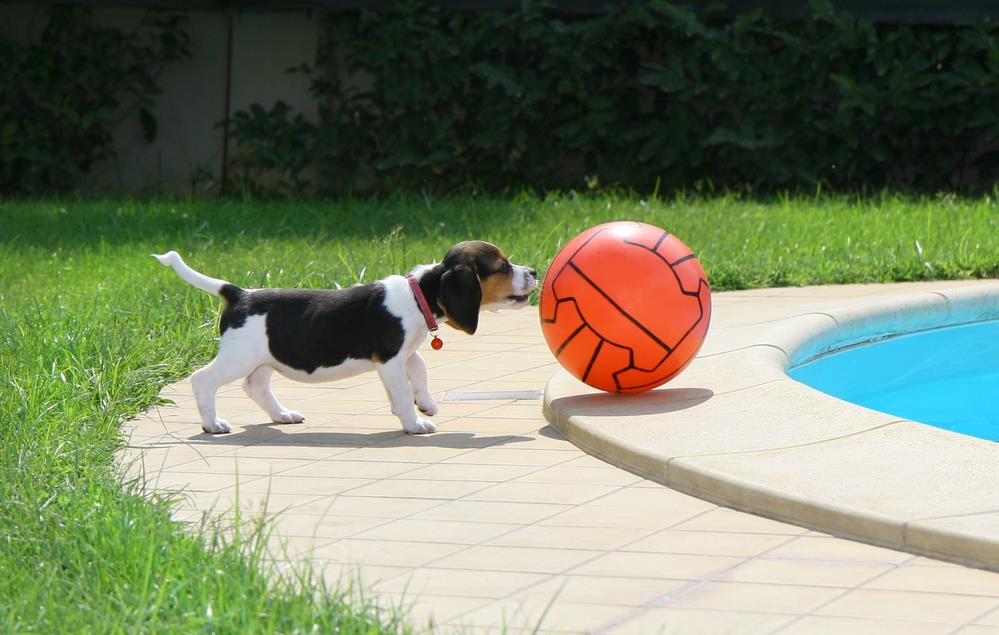
Pools are deceptively risky: smooth walls, a tired dog, and no idea where the steps are. If your dog can reach the pool area, treat getting out as a skill rather than a hope.
- Control access with compliant fencing and self-closing gates, and never rely on a cover as a lid.
- Show your pet the exit (steps or ramp) every time they enter the pool area, then practise swimming to it.
- Supervise actively. If you are not watching, your pet is not swimming.
Rivers, creeks and surf
Moving water adds drift and fatigue. A dog can look steady while it is being carried downstream, and waves do the same, pushing a dog past the point where it can easily turn back.
- Keep first swims short and end them early, before tiredness shows.
- Avoid fast currents, steep drop-offs and slippery rock shelves.
- Rinse and dry afterwards, especially ears and skin folds, and offer fresh drinking water.
Dams, ponds and lakes
Still water in warm weather is where harmful algal blooms often build. Blue-green algae can be deadly for pets, and you cannot reliably tell whether a bloom is toxic just by looking at it.1, 4 Keep pets away from water that is discoloured, carries surface scum, or looks like paint or floating mats. If your pet does get into suspect water, rinse them straight away with clean water, stop them licking their coat, and contact a vet for urgent advice. Do not wait and see.1
Different pets, different plans
Dogs
Some dogs swim naturally while others sink at the back end or paddle inefficiently. Breed, age, fitness, coat and confidence all matter, and even strong swimmers get into trouble when the entry is easy and the exit is not.
- Introduce water gradually in a shallow, calm place.
- Use a lead near hazards (rivers, boat ramps, unfenced pools) until you are confident you can recall and guide your dog out.
- Watch for water intoxication: repeated retrieving, biting at spray from a hose, or frantic play in waves can all lead to swallowing large volumes of fresh water.3
Cats
Most cats avoid deep water, but they still fall in, particularly off narrow ledges around pools, baths and water tanks. If a cat has outdoor access, focus on prevention with barriers and secure lids rather than any idea of teaching them to swim.
Birds and small animals
Offer shallow, stable water dishes that cannot be tipped, and change the water daily. For birds that bathe, use a shallow dish and supervise, especially in hot weather when they may bathe more often.
Life jackets and safety gear
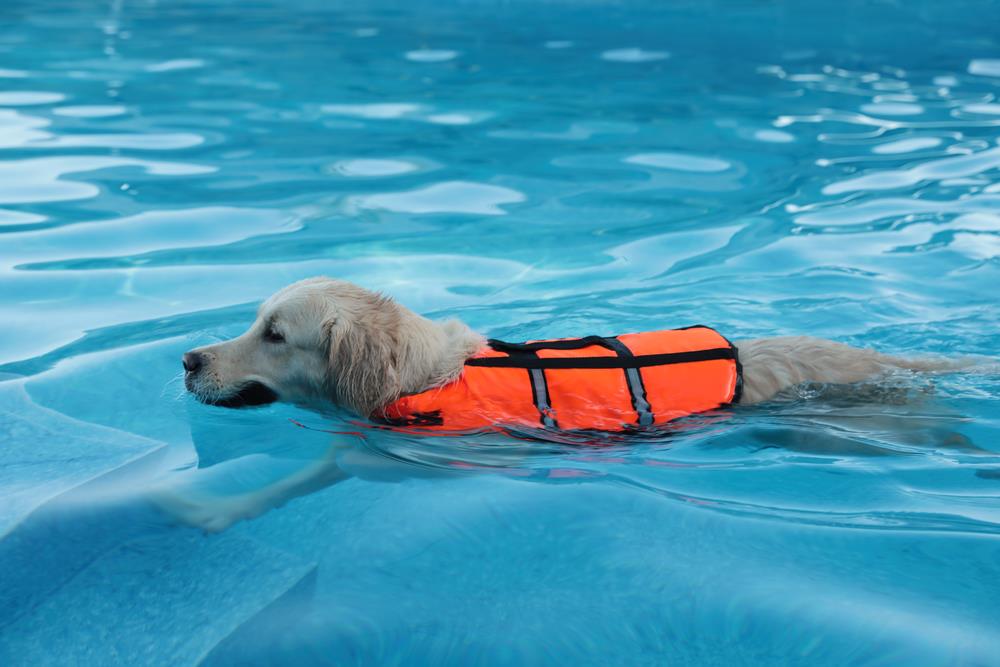
A well-fitted pet life jacket adds buoyancy and, just as usefully, gives you a handle to lift and guide your pet. It suits small dogs, older dogs, brachycephalic breeds, first-time swimmers, boating, and any situation with currents.
- Fit matters: snug but not restrictive, with your pet able to move its shoulders and breathe freely.
- Choose visibility: a bright colour and reflective trim help in surf and low light.
- Look for a strong top handle to help lift your pet out at steps, rocks or a boat edge.
Safety gear does not replace supervision. It buys time and control, nothing more.
Teaching a reliable exit
The most valuable water training is not longer swims. It is a dependable way out.
- Start on lead in shallow water.
- Guide your pet to the exit point (steps, ramp, low bank) and let them walk out.
- Repeat from slightly deeper water, always finishing at the same exit.
- Practise in different light and conditions so the exit is not a one-place memory.
Indoor water safety counts too
Indoors, the danger is usually a fall and a struggle to climb out of baths, buckets, fish ponds and even toilets for very small animals. Keep bathroom doors closed where you can, use secure lids on aquariums, and do not leave deep containers of water where a curious pet can reach them.
When something goes wrong
If your pet is pulled from water and is coughing, weak, disoriented or unusually quiet, treat it as urgent. Breathing problems can worsen well after the event.
- Get to a vet or emergency clinic immediately, even if your pet seems to perk up on the way.
- If you suspect harmful algal bloom exposure, rinse your pet with clean water, stop them licking their coat, then seek urgent veterinary advice.1
- Consider formal first aid training so you are not improvising under stress. The Australian Red Cross offers veterinary-approved pet first aid education (note that CPR technique varies and professional guidance is recommended).5
Regular vet check-ups: the quiet prevention layer
Routine veterinary care will not teach a pet to swim, but it does uncover the issues that change water safety: heart or airway disease, arthritis, ear problems, reduced fitness or neurological conditions. It is also the right moment to ask about your pet's individual risks, including water intoxication, ear care after swims, and whether a life jacket makes sense for their build and health.3
References
- CDC, Preventing pet and livestock illnesses caused by harmful algal blooms
- ASPCA, Blue-green algae toxicosis: what you need to know to keep your pet safe
- American Veterinary Medical Association (AVMA), Water intoxication in dogs
- Queensland Department of Primary Industries, Blue-green algae (cyanobacteria), animal impacts and prevention
- Australian Red Cross, Pet first aid (course overview and guidance)
- American Animal Hospital Association (AAHA), Algae alert: understanding the dangers of blue-green algae for pets
- Indiana State Board of Animal Health, Blue-green algae (companion animals)
- Vetwest Veterinary Clinics, First aid tips (resuscitation overview and urgent care guidance)

Dog lover and writer at My Pets Australia, sharing practical breed guides and care advice for Australian pet owners.