Hygiene 101: Keeping Your Pets Clean
Pet hygiene is a steady set of small checks and simple routines, not a once-a-month scrub to make an animal look nice. Kept up, it reduces irritation, lowers the load of germs in the home, and helps you catch trouble while it is still small. Skin problems, parasites, dental disease and quiet infections all leave early signals, and a regular routine is how you spot them. Some of these habits matter for human health too, especially in homes with young children, older adults, pregnancy, or anyone with a weakened immune system.1, 2
Why pet hygiene matters, for pets and people
Clean skin and a well-kept coat support the body's first barrier against the outside world. Brushing lifts loose hair and debris, helps prevent mats, and gives you a close look at the skin where fleas, ticks, hot spots and rashes tend to begin.
Hygiene also shapes the household environment. Animals can carry germs that make people sick even when they look healthy, and shared surfaces (beds, floors, food bowls, litter trays) become the places those germs travel. Handwashing after handling pets, their food, or their waste is one of the simplest and most effective protections.1, 2
Essential hygiene practices
Coat care: brushing, detangling and sensible trimming
Brushing frequency depends on coat type and lifestyle. Some short-coated dogs manage with occasional brushing, while long-coated or double-coated breeds often need weekly attention to prevent mats and skin irritation.3
Use tools that suit the coat, and watch your pet's body language. If you hit resistance, do not yank. Work slowly from the ends of the hair, or book a groomer for safe dematting.
Eyes and ears: look often, clean gently
Eyes and ears do not need aggressive cleaning. What helps most is routine observation: spotting redness, discharge, a new smell, head-shaking or persistent scratching early, then getting veterinary advice before it escalates.3
If your vet recommends ear or eye products, use only those made for that purpose. Avoid cotton buds down the ear canal, and avoid home remedies that can inflame delicate tissue.
Nails and paws: small trims, regular checks
Overlong nails can split, snag, and change the way a pet stands and moves. Check nails (including dewclaws) routinely and trim a small amount as needed. Ask your vet to show you where the "quick" sits if you are unsure.3
Paws are worth a quick scan after walks. Look for grass seeds, small cuts, or inflamed webbing, especially in warmer months.
Living space: reduce germs where they build up
Focus on the places that collect saliva, food residue and waste: bowls, litter trays, bedding, favourite blankets, crates and toys. Keep pet supplies out of food-prep areas, and avoid cleaning habitats or bowls in the kitchen sink if you can. Cleaning outdoors or in a laundry sink reduces cross-contamination risk.2
Bathing: frequency and safe products
Bathing needs vary widely. A muddy dog may need a rinse today and nothing for weeks after. A cat usually manages their own coat, but may need help if they are elderly, overweight, unwell, or have a skin condition.
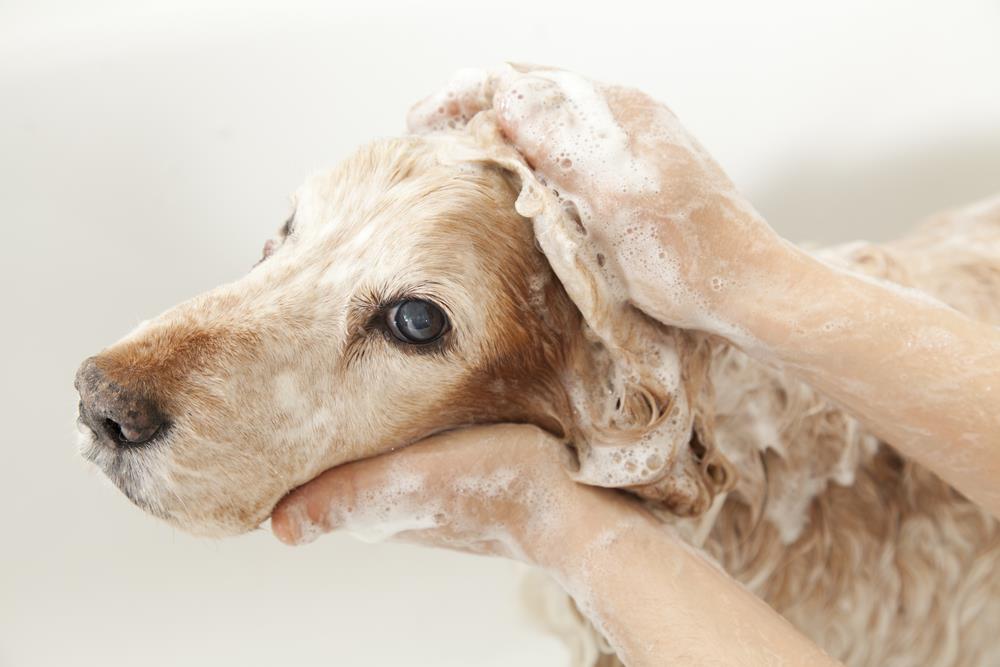
Use a shampoo made for pets. Human shampoos are not formulated for animal skin and can cause irritation, especially if used repeatedly. If your pet has itchy skin, recurrent infections, or allergies, ask your vet what to use. Some pets need medicated products and a specific schedule.4
A practical bathing routine for dogs
- Brush out tangles and loose undercoat before the bath, because water tightens mats.3
- Use comfortably warm water. Keep it shallow in tubs and do not leave pets unattended.
- Wet the coat through to the skin, working from neck and shoulders down the body.
- Avoid soaking the head. Use a damp cloth for the face if needed.3
- Lather with pet shampoo, then rinse thoroughly, as leftover product can irritate skin.
- Towel-dry well. In cold weather, help them dry safely so they do not chill, and ensure they can move away from warm air if you use a dryer.4
Making bath time easier without forcing it
For many animals, bath stress is about surprise and handling. Slow training helps: teach calm tolerance of touching paws, ears, belly and tail outside bath time, then introduce the bath in small steps with rewards for calm behaviour.3
Dental care: the step most often missed
Dental disease is common in both dogs and cats, and it often starts quietly: plaque builds, gums redden, breath changes, chewing becomes cautious. Brushing is widely regarded as the most effective at-home method for controlling plaque, and consistency matters. Daily is ideal, but a few times a week is still useful.5, 6, 7
Never use human toothpaste. Pets do not spit, and ingredients in human toothpaste (including fluoride) can be harmful if swallowed.5, 7
How to brush your pet's teeth
- Start with a calm moment. Let your pet taste a small amount of pet toothpaste.5
- Lift the lip and brush the outside surfaces of the teeth in small circles. You usually do not need to force the mouth open.
- Keep sessions short at first (seconds, not minutes), then build up as tolerance improves.
- Aim for daily brushing if possible, or at least several times a week.5, 7
Chews, diets and dental products: what they can and cannot do
Dental chews and other add-ons can help, particularly when they have been tested for plaque or tartar control. The Veterinary Oral Health Council (VOHC) reviews data submitted by manufacturers and awards a Seal of Acceptance to products that meet its standards when used as directed.8
They are best seen as support, not a substitute for brushing, especially for pets already showing signs of gum disease.
Special hygiene needs
Pets with allergies, skin disease, or recurrent ear trouble
If your pet is itchy, smelly, or developing repeated ear infections, hygiene needs to become more targeted, not more aggressive. Overbathing with the wrong products can worsen irritation. A vet can guide you on medicated shampoos, ear cleaners, and a schedule that supports the skin barrier rather than stripping it.4
Older pets
Age can bring dental pain, reduced flexibility for self-grooming, and occasional toileting accidents. Focus on comfort and prevention: shorter grooming sessions, more frequent gentle brushing, and regular veterinary checks when anything changes.
Long-haired and high-maintenance coats
Long coats can hide problems until they are advanced: mats that pull at the skin, moisture trapped near the belly, seeds caught between toes. Weekly brushing is a common baseline, with professional grooming when the coat starts to compact or you are seeing frequent knots.3
Common hygiene-related issues and what you notice first
Hygiene routines do not prevent every problem, but they make the early signs easier to spot.
- Fleas and ticks: persistent scratching, small scabs, hair thinning, visible parasites or flea dirt.
- Skin infections or hot spots: red, moist patches, a sudden wet-dog smell, intense licking in one area.
- Ear infections: head-shaking, ear scratching, redness, discharge, unpleasant odour.3
- Dental disease: bad breath, red gums, drooling, dropping food, reluctance to chew, pawing at the mouth.5
If you see these signs, treat it as a prompt for a vet visit rather than a reason to scrub harder at home.
Building a routine you can actually keep
Most routines fail because they are too ambitious. A steady rhythm works better: small checks, repeated often, with the occasional longer grooming session when needed.
- Daily: a quick look at eyes, ears, coat and movement, plus handwashing after handling food, waste, or dirty gear.1, 2
- Weekly: a brushing session suited to the coat, a check of nails and paws, and washing bedding if it is collecting odour or hair.
- Most days: tooth brushing, using VOHC-accepted dental products as support if they suit your pet.7, 8
- As needed: baths after mess, swimming, or flare-ups, guided by skin condition and vet advice.4
Go slowly with any new handling. Calm repetition teaches tolerance far better than wrestling through a single perfect groom.3
References
- CDC, Hygiene Practices Around Animals
- CDC, Healthy Pets, Healthy People: Ways to Stay Healthy Around Animals
- RSPCA Pet Insurance, Guide to Dog Cleaning and Grooming
- RSPCA Pet Insurance, Washing and Brushing Your Dog
- RSPCA Pet Insurance, Guide to Cat Dental Care
- FOUR PAWS Australia, Dental Care for Dogs and Cats
- Vetwest Veterinary Clinics, About Dental Care and Brushing Your Pet's Teeth
- Veterinary Oral Health Council (VOHC), VOHC Seal of Acceptance

Dog lover and writer at My Pets Australia, sharing practical breed guides and care advice for Australian pet owners.