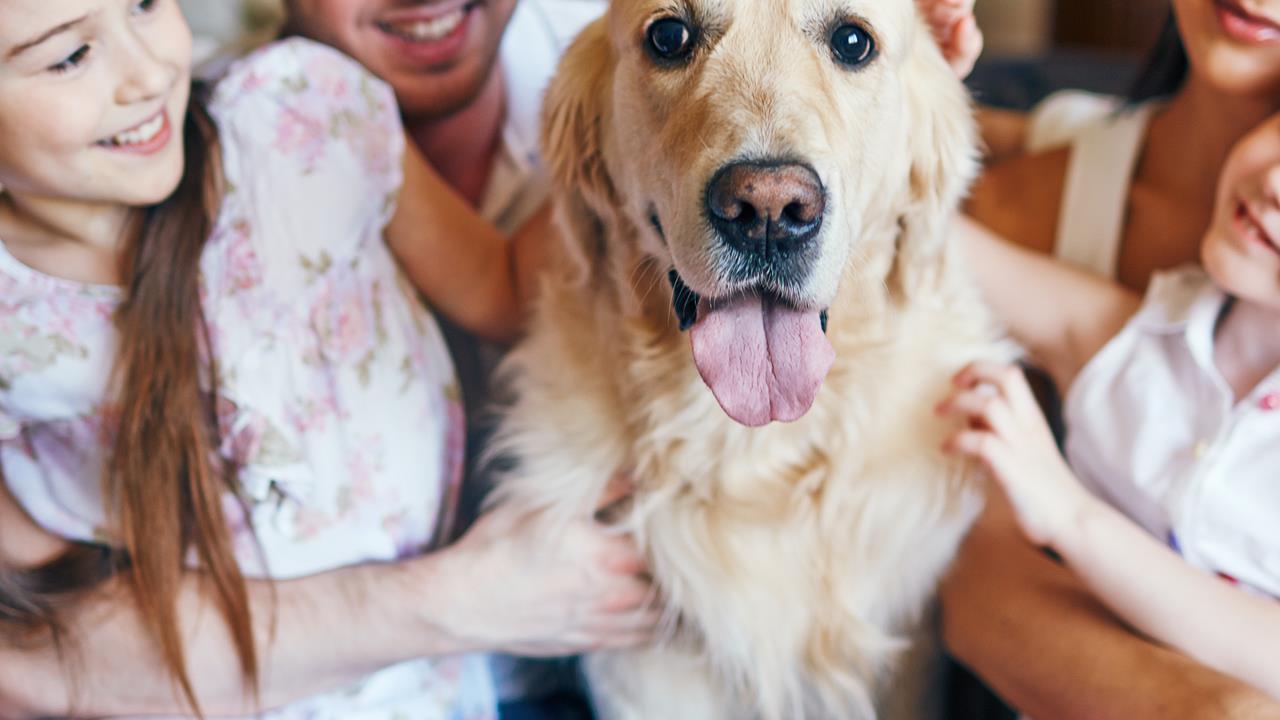
How to Prepare Your Pet for a New Baby
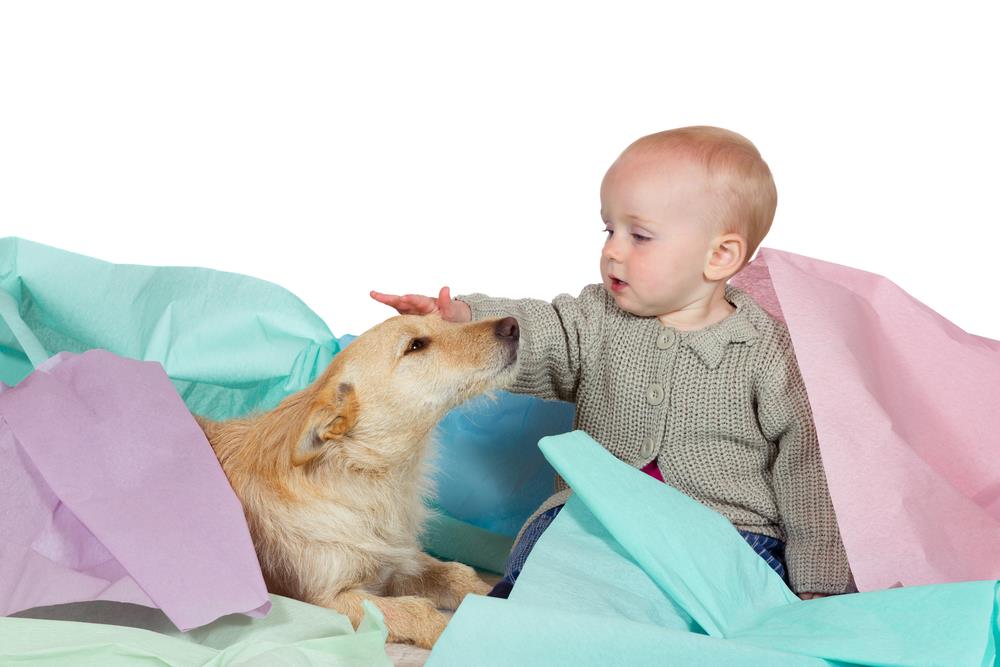
Bringing a baby home changes the smell, sound, and rhythm of a household, and a resident dog or cat feels all of it. The good news is that most pets adjust quietly when the change is introduced steadily rather than sprung on them overnight. The question is not whether your pet is "good" or "bad", it is how well they cope once the house is different and your hands are suddenly full. Done with a few weeks of preparation, the transition is usually calm and manageable. Done in a rush, it can create avoidable stress for the animal and real safety risks for an infant who cannot move away.1, 2, 3
Start with what your pet already does
The best preparation costs nothing: watch your pet in ordinary moments. Notice how they react when visitors arrive, when you move furniture, when there is a sudden noise, and when they are tired. Those everyday patterns tell you what may be hard once the household changes.
Learn to spot the early stress signals that show up long before any growling or snapping: freezing, lip-licking, yawning when they are not tired, a tucked tail, pinned ears, hiding, pacing, or sudden clinginess. If you are seeing these often now, treat it as useful information rather than a character flaw.1
Introduce baby smells and sounds slowly
A newborn brings a whole new sensory landscape: milk, wipes, lotions, squeaky furniture, and crying at night. Introduce these gradually so your pet learns to treat them as background rather than an alarm.
New scents
- Set up baby gear early so it becomes familiar furniture, not a sudden invasion.
- Use the baby's products (lotions, washes) around the home ahead of time so the smell is no longer novel.
- Let your pet sniff baby items briefly, then redirect to something they enjoy, such as a chew, a puzzle feeder, or a favourite toy.1
New sounds
Play recordings of a baby crying and babbling at a very low volume while your pet is relaxed. If they stay calm, pair the sound with something good like treats or play. Increase the volume over days, not minutes, and only as far as they can handle without tensing or fixating.1
Set boundaries before the baby arrives
Boundaries work best when they are introduced early and kept boring. If a room will become off-limits, make it off-limits now, not on the day you bring the baby home. That way your pet does not learn to link the baby with lost privileges.1
Practical, low-drama boundaries
- Use baby gates and closed doors to create clean separations, especially around sleeping areas and change tables.
- Teach a reliable "go to your mat or bed" behaviour so your pet has a clear place to settle when the room is busy.4
- Make sure your cat has vertical escape options, such as a tall scratching post, a shelf, or a separate room, so they can observe without being cornered.5
Book a vet check and keep routine care current
A health check before the baby arrives is less about perfection and more about removing preventable friction. Pain, itch, dental disease, or reduced vision can all make an animal more reactive, because the world feels less predictable to them.
Ask your vet about any behaviour changes you have noticed, such as guarding, noise sensitivity, anxiety, or irritability. Confirm that your pet's parasite prevention and vaccinations are current for their lifestyle and local risks.6
Training that helps in a baby house
You do not need tricks. You need safe, repeatable behaviours that keep everyone's bodies where they should be.
Focus on everyday skills
- Settle on a mat, or in a crate with the door open.
- Walk calmly beside a pram (start with an empty pram, then add weight later).
- Leave it and drop it, especially for dummies, toys, and anything that smells like milk.
- Gentle greetings: four paws on the floor, no jumping.
Use reward-based training so the baby's presence predicts good things, not punishment or tension. If you are stuck, a qualified force-free trainer or veterinary behaviourist can tailor a plan to your pet's triggers and your home layout.1
Practise the routine change before it is real
Pets notice the small shifts first: walks that run late, meals that are rushed, doors that stay closed. If you can, start adjusting routines in the last weeks of pregnancy so the new normal arrives gradually.
- Move feeding and walking times closer to what they will be once the baby is home.
- Reduce intense, on-demand play and replace it with predictable, shorter sessions.
- Add independent enrichment such as snuffle mats, food puzzles, and long-lasting chews, so your pet can cope when you are busy.
The first introduction: baby meets pet
Keep the first meeting calm, brief, and closely supervised. The goal is not a perfect photo, it is a neutral, safe memory for the animal.
A calm, controlled approach
- Make sure your pet has had exercise, a toilet break, and a chance to settle first.
- Keep dogs on a loose lead or behind a barrier at the start, so they can look and sniff without crowding.
- Let the pet approach at their own pace and do not force sniffing or face-to-face contact.
- Reward calm behaviour and end the interaction early, while things are still going well.1, 7
The non-negotiable safety rule
Never leave a baby or young child alone with a dog or cat, even for a moment, and even with a "gentle" family pet. Babies can be bitten, scratched, or accidentally smothered, and they cannot move away or protect their face.3, 6, 8
After the baby arrives: keep balance, do not push closeness
Once you are home, many pets cope best when life stays ordinary. Feed them on time. Keep walks steady. Protect their rest, and when they choose distance, allow it.
If your pet starts guarding spaces, stalking movement, snapping at touch, or showing persistent fear around the baby, do not wait it out. Reduce access, increase management with gates, leads, and separate rooms, and get professional help early.6
Cat-specific notes: litter and pregnancy health
If someone in the household is pregnant, toxoplasmosis is one reason to take litter hygiene seriously. Infection during pregnancy can harm the unborn baby, so delegate litter tray cleaning where possible. If you must do it yourself, wear gloves and wash your hands thoroughly afterwards.9
Clean the tray daily, and keep outdoor sandpits covered to reduce contact with cat faeces in soil or sand.10
References
- Humane World for Animals, Introducing your pet to your new baby
- RSPCA Victoria, Expecting your new baby
- American Veterinary Medical Association (AVMA), Simple steps to prevent dog bites
- RSPCA (UK), Children and dogs: staying safe together
- RSPCA Knowledgebase (Australia), Introducing a new dog or puppy to an existing cat
- VCA Animal Hospitals, Children and pets: infants and dogs
- The Royal Kennel Club, Child safety around dogs
- The Royal Children's Hospital, Child Safety Handbook (section: babies and children and dogs)
- healthdirect, Toxoplasmosis
- Victorian Department of Health, Toxoplasmosis (prevention and control)

Dog lover and writer at My Pets Australia, sharing practical breed guides and care advice for Australian pet owners.