How to Manage a Pet with Chronic Illness
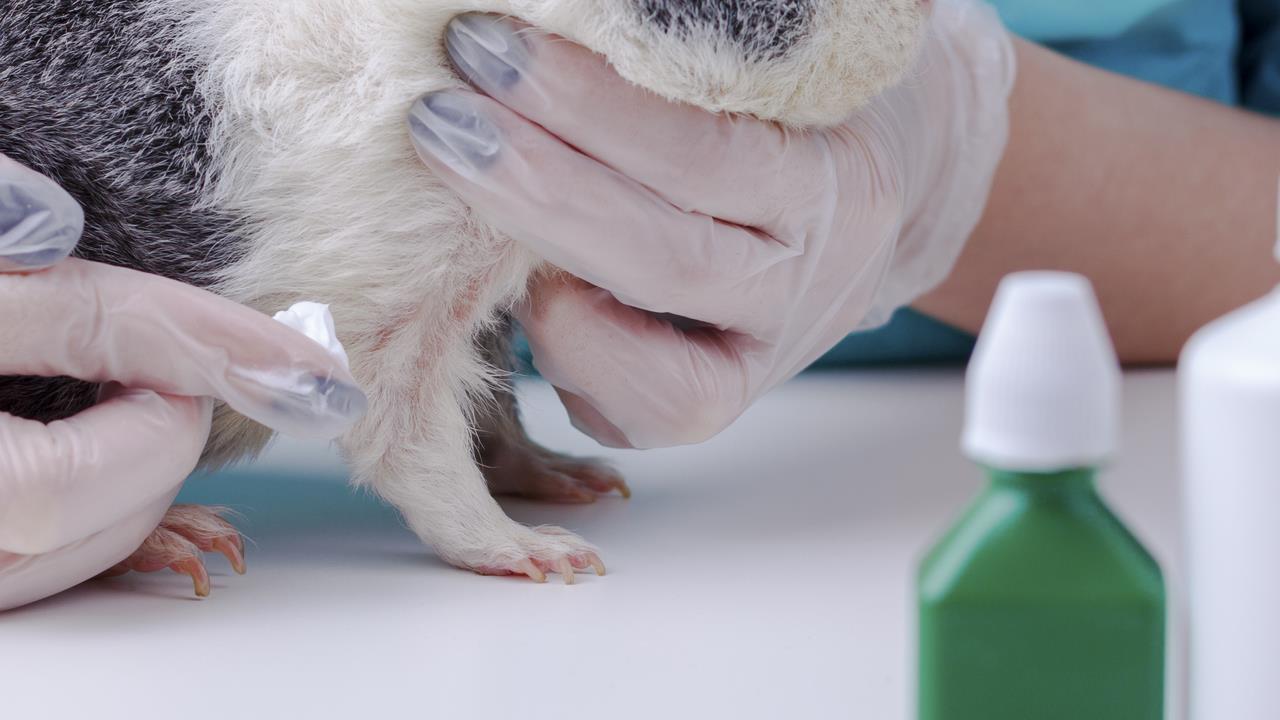
A chronic illness is a health condition that persists over time and needs ongoing management rather than a one-off cure. In dogs and cats, the common ones include osteoarthritis, diabetes mellitus, chronic kidney disease and chronic heart disease. The good news is that most of these can be managed well for years when they are caught early and handled with steady routines. What follows is a clear, vet-aligned way to recognise the common problems, understand the tests, and build day-to-day care that keeps your pet comfortable. It is also a serious commitment, and knowing which changes are "watch and note" versus "ring the vet today" is a large part of doing it well.
Understanding chronic illness in pets
Chronic conditions tend to change a pet's daily life in small increments before they become obvious. Mobility, thirst, toileting, appetite, breathing and stamina all shift a little before the big symptoms arrive.1, 2, 3 Many animals also mask discomfort, cats in particular, so the most reliable clues are usually changes in routine rather than dramatic signs.1, 2
Early warning signs worth taking seriously
Any single sign can have many causes, but patterns matter. Book a vet check if you notice:
- Drinking more, weeing more, or accidents indoors, especially in a previously clean pet2, 6
- Weight loss, increased appetite, or new fussiness with food2, 6
- Reluctance to jump, climb stairs, play, or go for walks; stiffness after rest; a slowing down that persists1
- Coughing, breathing changes, reduced tolerance for exercise, or sudden tiredness (same-day vet advice is sensible here)
- New lumps, persistent vomiting or diarrhoea, or changes that last more than a day or two
Why early diagnosis matters
Earlier diagnosis usually means more options: better symptom control, fewer complications, and a plan that can be adjusted before a crisis forces the pace. Chronic conditions are most manageable when you catch them in their quiet phase, before weight loss, dehydration, pain sensitisation or secondary problems take hold.5, 6
Common diagnostic procedures and what they are for
Most chronic-disease workups start with a careful history and physical exam, then build from there:
- Blood tests: check organ function, blood glucose, and markers that guide treatment choices, for example confirming persistent hyperglycaemia in diabetes.2
- Urinalysis: looks for glucose, infection, and signs of kidney involvement; helps interpret blood results, particularly important in suspected diabetes or kidney disease.2, 7
- Blood pressure measurement: hypertension can travel alongside kidney and other chronic disease, and it changes how risks are managed.8
- Imaging (X-ray, ultrasound): helps assess joints, heart and lungs, abdominal organs, and masses.
- Biopsy or cytology: sometimes needed for suspicious lumps or specific organ disease.
Understanding your pet's diagnosis
Before you leave the clinic, aim to understand four things:
- What condition your pet has, and what else has been ruled out.
- What stable looks like at home: appetite, thirst, mobility, toileting, breathing.
- What would count as a red flag that needs urgent contact.
- When you will recheck and what you are measuring: bloods, urine, blood pressure, weight, pain score.
Treatment and giving medications at home
Chronic illness care is layered: medication, diet, movement and environmental changes, and monitoring. The aim is control rather than cure, keeping pain low, maintaining body condition, protecting organs from avoidable strain, and catching changes early enough to respond calmly.1, 2, 4 The smallest daily details do the heavy lifting: doses given on time, steady meal patterns, a diet that matches the diagnosis, and simple observations recorded consistently. In diabetes, safe control depends on reliable insulin administration and monitoring, with particular attention to avoiding hypoglycaemia.2, 4
Some supportive therapies, such as physiotherapy or hydrotherapy for arthritis, may complement a vet-directed plan, but they should not replace evidence-based treatment. Be cautious with supplements and herbs: natural products can still interact with prescription medicines or affect liver and kidney function. Ask your vet to check any product against your pet's diagnosis and current medications.
Techniques for giving medication
Most pets accept medication best when the approach is quiet and predictable:
- Tablets and capsules: a small amount of food can help, but check first, as some medicines must be given on an empty stomach.
- Liquids: aim the syringe into the cheek pouch rather than straight back into the throat.
- Transdermal and topical products: wear gloves if advised, and keep other pets from licking the area.
- Injectables such as insulin: follow your vet's handling and storage directions closely; technique and routine are central to safe diabetes control.4
Side effects and staying on schedule
Side effects can be subtle at first: reduced appetite, vomiting, diarrhoea, new lethargy, restlessness, drinking changes, wobbliness, or behaviour that is not quite them. If you see a sudden change after a medication starts or a dose changes, contact your vet promptly. Missed or doubled doses can matter, so if you forget one, do not guess. Call your clinic for advice, especially with medicines that affect blood sugar, pain control, heart rhythm, or blood pressure.
Lifestyle changes that support long-term management
Nutrition is one of the most effective levers you can adjust at home, but it needs to match the diagnosis rather than simply be a better food. Global veterinary nutrition guidelines emphasise assessing diet at every visit and tailoring it to the individual animal, including body condition and muscle condition, not just weight.9 For some conditions, prescription diets can reduce symptom burden and support organ function. For diabetes in particular, diet is part of the control plan alongside insulin and monitoring, not a stand-alone fix.2, 4
Movement helps maintain muscle and keeps joints working, but it should be adjusted for pain, stamina and breathing. With arthritis, a multi-modal approach is commonly recommended, often combining pain relief with weight management, joint-friendly activity, and home modifications such as ramps and non-slip surfaces.1 A few simple changes around the home conserve a pet's energy rather than draining it:
- Non-slip runners on slick floors.
- Ramps or steps for beds and cars.
- Warm, supportive bedding in a quiet spot.
- Easy access to water and litter trays, especially for cats with reduced mobility.
Regular monitoring: catching the small drift
Chronic illness care works best when monitoring is routine rather than reactive. Regular veterinary rechecks confirm that a plan is working, pick up subtle progression, and adjust doses safely.6 You do not need complicated equipment to notice meaningful change. Track:
- Appetite: normal, reduced, or skipping meals.
- Water intake and urination, especially for suspected kidney disease or diabetes.2
- Weight: weekly or fortnightly is often enough.
- Mobility: willingness to jump, climb, walk; stiffness after rest.1
- Comfort: sleep, restlessness, hiding, new sensitivity to touch.
A short log turns vague impressions into patterns your vet can use. Note dates of medication changes, appetite shifts, vomiting or diarrhoea, energy levels, and any pain or mobility changes, then bring it to appointments.
Behaviour and emotional wellbeing
Chronic illness can change behaviour without any behaviour problem being present. Pain, nausea, hormonal shifts and poor sleep can make a pet quieter, less tolerant of handling, or more likely to withdraw. Treat the change as information: it often points back to comfort and symptoms rather than temperament.1 Most animals do best with calm predictability: familiar routines, gentle handling, and comfortable places to rest. Keep interactions steady and low-pressure. If your pet suddenly becomes reactive, distressed, or confused, involve your vet, because behavioural change can be a medical sign.
Caring for yourself while you care for them
Long-term pet care can grind people down in quiet ways: sleep disruption, financial strain, decision fatigue, and the constant background worry of missing something. That load is real, and it affects how well you can stick to routines and make clear decisions. If you are feeling overwhelmed, ask your clinic to help simplify the plan. Many vets can adjust routines, recommend practical monitoring targets, and space rechecks sensibly so you are not living in crisis mode. If costs are a concern, it is reasonable to ask what changes the outcome most, and what can wait.
References
- RSPCA Pet Insurance (Australia), What help is available if your pet has arthritis?
- Merck Veterinary Manual, Diabetes mellitus in dogs and cats
- International Renal Interest Society (IRIS), IRIS staging system for chronic kidney disease
- American Animal Hospital Association (AAHA), 2018 Diabetes Management Guidelines for Dogs and Cats (includes later updates noted on page)
- American College of Veterinary Internal Medicine (ACVIM), Consensus statement: assessment and management of proteinuria in dogs and cats (PubMed)
- RSPCA Pet Insurance (Australia), What to expect when you take your dog to the vet (health checks)
- Management of proteinuria in dogs and cats with chronic kidney disease (review, PubMed)
- ACVIM consensus statement, identification, evaluation, and management of systemic hypertension in dogs and cats (PubMed)
- World Small Animal Veterinary Association (WSAVA), Global Nutrition Guidelines

Dog lover and writer at My Pets Australia, sharing practical breed guides and care advice for Australian pet owners.