How To Keep Your Pets Active and Engaged
A well-exercised, mentally busy pet is easier to live with, and the payoff shows up as steadier bodies and calmer behaviour at home. Activity is only half of it, though. The other half is engagement: chances to sniff, search, climb, chew, and solve small problems in a safe way. The goal is to match movement and mental work to the animal in front of you, then build a routine that is repeatable and kind. Get the balance wrong and the signs tend to creep in quietly, from restlessness and weight gain to a dog that struggles to settle.
What "active and engaged" actually means
For most pets, physical activity covers just part of what they need. Engagement is the rest: opportunities to practise everyday species behaviours, such as sniffing, searching, climbing, and chewing, in a controlled setting.
In dogs and cats, environmental enrichment is widely used to reduce unwanted behaviours while increasing normal, desired ones. A common example is swapping pacing or nuisance behaviour for a food toy or a short bout of targeted play.8
Start with your pet's needs
Two animals can share the same house and still need very different plans. Breed and body shape matter, but so do age, medical history, and how well your pet copes with change.
- Puppies and growing dogs: build exercise slowly and avoid "forced" endurance work such as long runs, bike pacing, or relentless ball throwing, which can overload developing joints.3, 4
- Flat-faced (brachycephalic) dogs and dogs with joint disease: may overheat or tire quickly, so ask your vet what is appropriate and keep sessions short and cool.3
- Shy or reactive pets: often do better with predictable, low-pressure activity like sniff walks, gentle training, and food puzzles than with busy, social settings.
Safe physical activity for common household pets
For dogs, simple options such as walking, supervised swimming, and games like fetch are commonly recommended as practical ways to build fitness and provide stimulation, as long as you adjust intensity to the individual dog.1
Dogs: steady movement beats occasional big sessions
- Walks with time to sniff: a normal walking pace with sniff breaks is real work for a dog's brain and body.
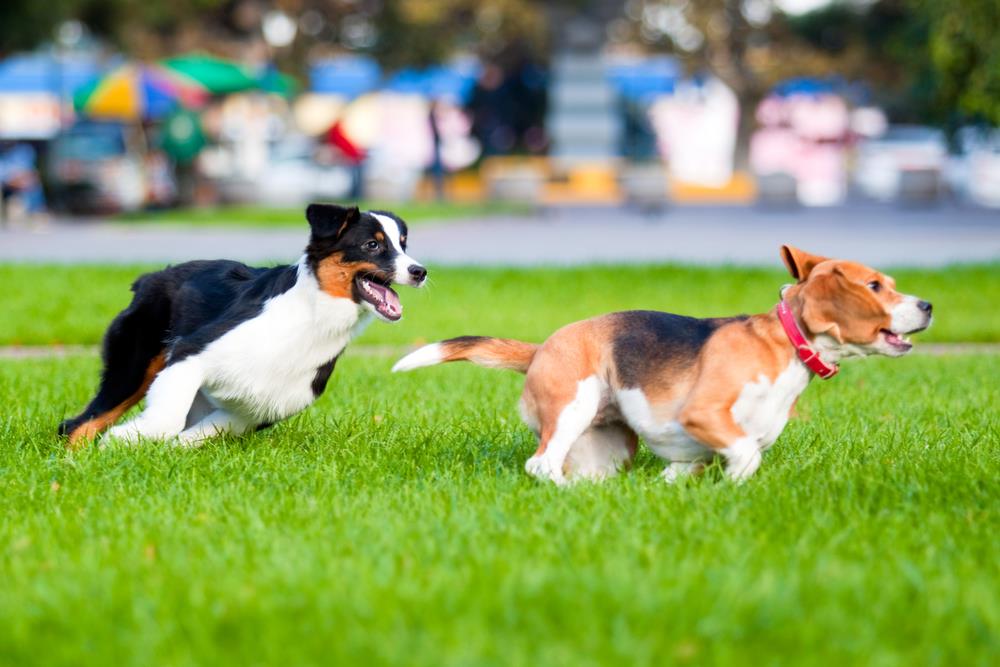
- Off-lead free running (when safe): in a secure area, many dogs regulate their own intensity more sensibly than when we push the pace.2
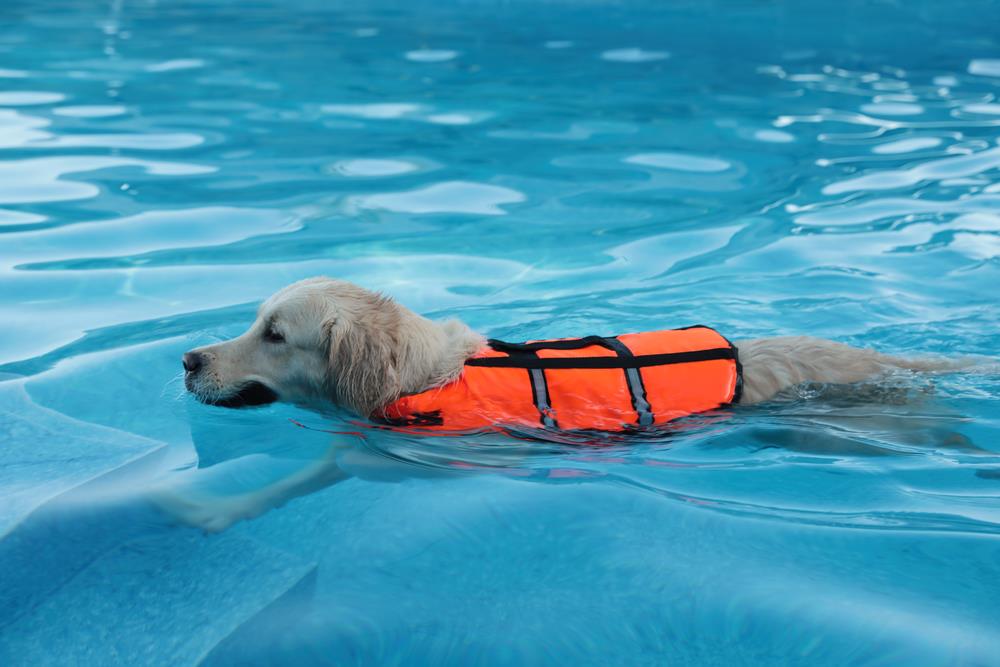
- Swimming: useful low-impact exercise for some dogs, but always under direct supervision.1
Cats: short, frequent bursts and a climbable home
Cats tend to exercise in quick spells. Indoor cats often need you to build the landscape for them: vertical perches, hiding spots, scratching surfaces, and daily interactive play that mimics prey movement.7, 9
How to increase exercise without overdoing it
Add time or intensity in small steps, then watch what your pet tells you. Puppies and young dogs in particular should be introduced to exercise gradually, with rests when they tire.1, 4
- Start shorter than you think. Finish while your pet is still comfortable.
- Avoid exercise right before or after meals in dogs, especially deep-chested breeds, because it can raise the risk of bloat (GDV).1, 4
- Mind the heat. In warm weather, exercise early or late and watch for overheating signs such as heavy panting, drooling, and confusion. Seek urgent veterinary help if heatstroke is suspected.2
Mental stimulation that changes behaviour
Mental work is often what turns "tired" into "settled". Food puzzles, scent games, short training sessions, and toy rotation give pets something to do with their instincts without adding much physical strain.
Easy enrichment ideas for dogs and cats
- Food puzzles and slow feeders: swap one meal for a puzzle toy or scatter feed in safe spaces.8, 9
- Short training sessions: a few minutes of cues, targeting, or trick training can calm a busy brain, especially in adolescent dogs.
- Scent-based games (dogs): hide treats around one room and let your dog search.
- Hunt-style play (cats): wand-toy play that stalks, flees, pauses, and "dies" is closer to what cats are built to do.9
Play and socialisation: useful, but not one-size-fits-all
Some pets light up around other animals, while others cope best with distance. Socialisation is not about meeting everyone. It is about learning that everyday life is safe.
For puppies, the most effective socialisation happens during a sensitive window of roughly 3 to 14 weeks, using gentle, positive experiences that do not overwhelm the pup.5
Safer ways to introduce new experiences
- Keep it brief: leave while your pet is still coping well.
- Protect health first: follow your vet's advice on vaccination timing and higher-risk areas such as dog parks.2
- Reward calm observation: treat for looking, sniffing, and choosing to disengage.
- Watch body language: a tucked tail, lip licking, freezing, repeated turning away, or hiding are signs to increase distance or stop.
Diet and weight: the quiet limiter of activity
Extra weight makes exercise harder on joints and lungs, and it often sneaks up when treats and chews go uncounted. If you are unsure, ask your vet to score body condition and track it over time.
WSAVA provides body condition scoring tools used by veterinary teams to assess body fat stores and support practical nutrition plans.6
When to seek professional help
Get veterinary advice if your pet suddenly exercises less, seems painful, coughs, collapses, pants excessively, or shows abrupt changes in appetite, sleep, or temperament. Behaviour that looks like naughtiness can be discomfort, fear, or illness.
If problem behaviours persist, such as destructive behaviour, aggression, or panic when alone, your vet can rule out medical issues and help you find a qualified trainer or veterinary behaviourist. Enrichment can help, but some animals need a broader behaviour plan.8
References
- RSPCA Pet Insurance (Australia), Tips for exercising your dog
- RSPCA Pet Insurance (Australia), How to safely exercise your dog or puppy
- RSPCA Knowledgebase, How should I exercise my puppy?
- RSPCA Australia, How to exercise your puppy
- Purdue University (Canine Welfare Science), Socialisation and early exposure
- World Small Animal Veterinary Association (WSAVA), Global Nutrition Guidelines (BCS tools)
- The Anti-Cruelty Society, Feline enrichment
- American Animal Hospital Association (AAHA), 2015 Canine and Feline Behavior Management Guidelines
- AAHA Trends Magazine, Feline enrichment

Dog lover and writer at My Pets Australia, sharing practical breed guides and care advice for Australian pet owners.