How to Effectively Remove Cat Urine Odour from Your Home
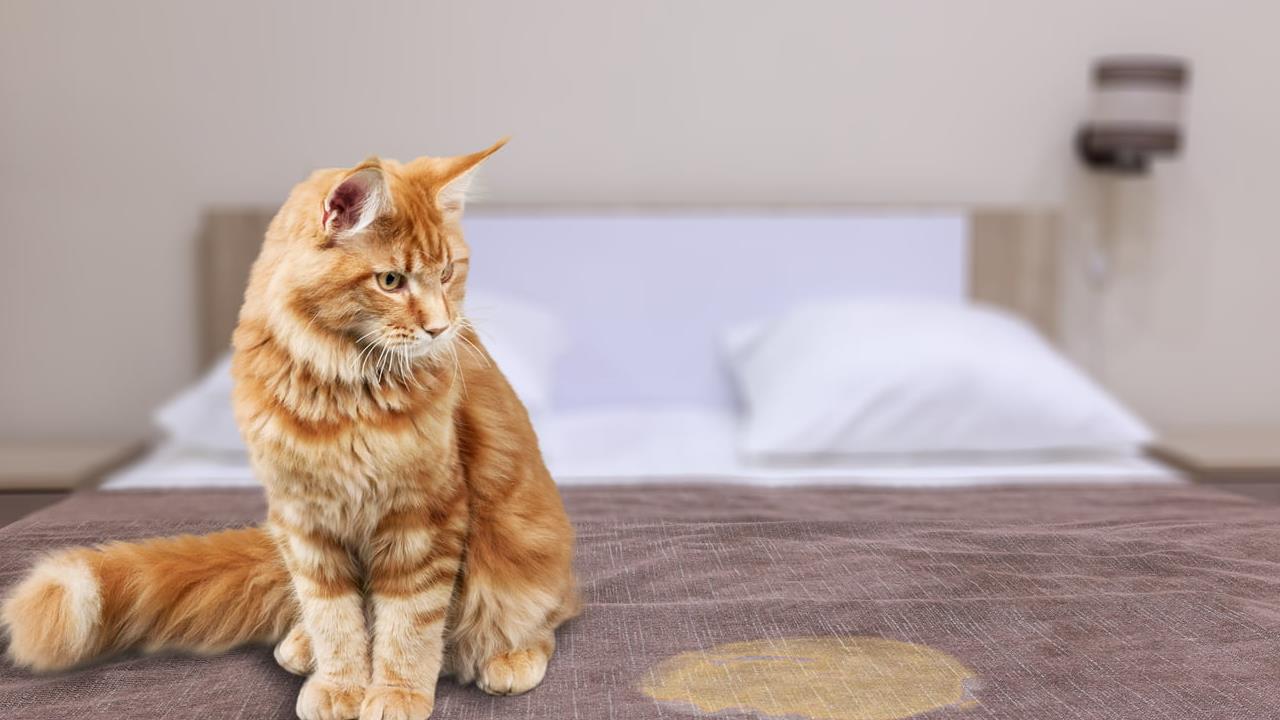
Cat urine has a smell that outlasts the puddle. Most people read a guide like this in one of two situations: you have just found a fresh patch and you want it gone before it sets, or you cleaned it days ago and the odour keeps drifting back on warm, humid days. The good news is that this is a solvable problem once you understand it, because the smell is chemistry rather than bad luck. The catch is that you have to remove the residue, not cover it, and you often have to reach urine that has soaked deeper than the visible mark. Miss that soaked-in portion and the scent lingers, and some cats will return to the same spot guided by what they can still smell.1, 3
Why cat urine smells so strong
As urine dries, urea breaks down and releases ammonia-like odours. Cat urine is especially pungent because of its species-specific compounds. One of these is felinine, a sulphur-containing amino acid found in domestic cat urine, which gives cat wee its distinctive character. Entire (undesexed) males excrete much higher amounts of it than females or desexed males, which is why their urine is so much sharper.5, 6
The smell is not just the wet patch. It is what gets left behind inside carpet fibres, underlay, timber joins, grout lines and subfloor. Once residue sits in those places, heat and humidity can lift it back into the room long after the surface looks clean.
First response: what to do straight away
Speed matters more than technique when the accident is fresh. The goal is to lift as much liquid as possible before it soaks in.
Blot, do not rub. Press paper towel or a clean cloth firmly onto the spot to draw out as much liquid as you can. Swap in dry towels and repeat until they stop coming up damp. Rubbing just pushes urine deeper into the fibres.
Rinse lightly with cold water, then blot again. A small amount of cold water dilutes what is left and makes it easier to lift out. Blot thoroughly. Avoid hot water at this stage, because it can make odours harder to shift in fabrics.
Skip ammonia-based cleaners. Cat urine already contains ammonia compounds, and adding more can make the area smell urine-like to a cat, which increases the chance they will revisit the spot.2, 3
Do not disinfect urine with bleach. Urine can contain ammonia, and mixing bleach with ammonia produces toxic chloramine gases. Keep bleach out of the cat-wee toolkit, especially in enclosed laundries and bathrooms.4
Cleaning solutions: what works and what does not
An enzymatic pet-urine cleaner is the most reliable option if you want the smell gone rather than disguised. These cleaners are designed to break down the urine residue that keeps producing odour, and they also reduce the scent cues that draw a cat back to the same patch.3 Use them properly:
- Soak the area to the depth the urine reached. This matters more than scrubbing.
- Leave it for the full contact time on the label.
- Blot, then allow it to air dry completely.
If you can still smell it once dry, repeat. Old deposits often need more than one pass.
Vinegar and bicarb soda have a place, but a limited one. Diluted vinegar can help with light, fresh odours on some surfaces, and bicarb absorbs smells while it sits. The problem is that these methods often cannot reach urine that has travelled under carpet backing, into underlay, or into timber joins, so they can look successful at first and then fail later when conditions change.3 If you do use bicarb on carpet, vacuum only once it is fully dry, because damp powder can gum up vacuums and hold odour in place.
Deep cleaning by surface
Carpet and rugs. The visible stain is usually smaller than the soaked patch, and a UV light can help you find older urine. Apply enzymatic cleaner generously so it soaks down to the underlay, rather than just spraying the surface. After treatment, place clean towels over the spot and weigh them down for an hour to draw residue back up. Be cautious with steam cleaning, because heat and moisture can drive odour deeper or set it if residue remains. If you do steam-clean, pre-treat with an enzymatic cleaner first and let it work before any hot extraction.
Upholstery and mattresses. Test cleaners on an inconspicuous section first. Use minimal water, because soft furnishings hold moisture for a long time and a damp core can sour. Enzymatic cleaner is still the main tool, but drying is the real finish line: airflow, fans and time.
Hardwood floors. Timber is unforgiving because urine can slip between boards and into the subfloor. Wipe immediately, then treat with an enzymatic cleaner labelled safe for sealed timber and follow the directions closely. Avoid flooding the area. If the smell persists, it may be under the boards, and sealing or replacement may be the only permanent fix.
Tiles and grout. The tile itself is easy, but the grout is not. Clean the surface, then work an enzymatic cleaner into the grout lines and let it sit for the full contact time. Rinse and dry well, and repeat if needed.
When the smell keeps coming back
A returning odour usually comes down to one of three things:
- Depth mismatch: the cleaner did not reach where the urine travelled, such as underlay, subfloor or foam padding.
- Not enough dwell time: enzymatic products need time to break down residue.
- Repeat urination: the cat has re-soiled the area, sometimes quietly and in the same spot.
Prevention: reduce repeat accidents at the source
Cleaning treats the symptom. Preventing the next accident treats the cause, and it starts with the litter tray. Cats will avoid a tray that is dirty, hard to access, in a noisy spot, or simply not to their liking. In multi-cat homes, competition and tension can also push a cat to toilet elsewhere. A common rule of thumb is one tray per cat plus one extra, placed in different locations and kept very clean.1
Take house-soiling seriously as a health signal. Urinating outside the tray can be caused by medical problems, including urinary tract disease, as well as by stress or anxiety. The practical first step is a vet check to rule out pain, infection, inflammation, bladder stones, kidney disease, diabetes and other conditions that change urination patterns.1, 7 If your cat is straining to urinate, producing little to no urine, or crying out, treat it as an emergency, because urinary blockage can be rapidly life-threatening, especially in male cats.1
When to call a professional cleaner
Professional help is worth considering when:
- the urine has soaked into underlay, subfloor or wall edges
- the smell returns after drying, despite repeat enzymatic treatments
- you are dealing with large areas, multiple incidents, or rental and inspection pressure
Ask what process they use for pet urine specifically, not just general carpet cleaning, and whether they can treat underlay and subfloor if needed.
The Bottom Line
Cat wee smell is not a willpower problem, it is chemistry, depth and timing. Blot quickly, use an enzymatic cleaner properly, and dry thoroughly. Then look upstream: a clean, well-placed litter tray and a prompt vet check for any cat that starts toileting outside the box will prevent far more odour than any spray ever will.1, 3
References
- RSPCA Australia Knowledgebase, Why is my cat urinating inappropriately? (updated 30 May 2024)
- RSPCA NSW, Cats: trouble toileting (includes advice to avoid ammonia when cleaning soiled areas)
- VCA Animal Hospitals, Inappropriate elimination disorders in cats (includes enzymatic cleaner guidance and litter box factors)
- Healthline, Never mix bleach and ammonia (chloramine gas risk; urine contains ammonia)
- Hendriks WH et al. Felinine: a urinary amino acid of Felidae. (Review) PubMed
- Miyazaki M et al. A major urinary protein of the domestic cat regulates the production of felinine. PubMed
- VCA Animal Hospitals, Inappropriate elimination disorders in cats (medical and behavioural causes overview)
- Merck Veterinary Manual, Urinalysis (notes on species differences in urine odour and ammonia)

Dog lover and writer at My Pets Australia, sharing practical breed guides and care advice for Australian pet owners.