How to Deal with Your Pet's Obesity
Pet obesity is one of the most common and most fixable health problems in Australian homes. It describes an unhealthy excess of body fat that strains the heart, lungs and joints and can shorten a pet's life. The good news is that it responds well to steady, simple changes to feeding and activity, and most of the work happens at the food bowl rather than the park. Weight tends to creep on slowly, so it is easy to miss until a harness gets tight or a cat loses its waist. This guide covers how to spot it early, what drives it, and how to bring your pet back to a healthy body condition safely.
Understanding pet obesity
Obesity is an excess of body fat that can harm health and shorten life. In Australian veterinary practice data, around 41% of dogs were classified as overweight or obese (combined).1 The pattern is common across companion animals, and once weight is gained it tends to stay unless feeding and activity change. Extra body fat is not inert. It behaves like an active tissue, contributing to chronic inflammation and placing ongoing strain on the heart, lungs and joints. Obesity is associated with osteoarthritis and endocrine disease (including diabetes mellitus), and it is linked with a shortened lifespan in dogs compared with those kept in a normal body condition.4, 5, 6 It is not a moral failing or a lazy pet problem. It is a practical imbalance of too many calories and not enough movement, sometimes tipped over by a medical or life-stage change.
How to tell if your pet is overweight
Scales help, but they do not tell the whole story. Body shape, fat cover and muscle all matter, especially in pets that are small, fluffy or naturally stocky. A few hands-on checks give you a clearer picture than weight alone.
- Ribs: You should be able to feel the ribs with light pressure, without digging your fingers in.
- Waist: Viewed from above, there should be a visible waist behind the ribs (in most dogs, and many cats).
- Tuck: From the side, the abdomen should tuck up behind the ribcage.
- Movement: Reluctance to jump, slower walks or getting puffed early can be clues, though pain or heart and lung disease can look similar.
Body Condition Score, the tool vets use
Body Condition Score (BCS) is a standardised system that estimates body fat using touch and observation. The World Small Animal Veterinary Association (WSAVA) provides BCS tools for dogs and cats that veterinary teams use at visits and that owners can learn to apply at home.2 Weight gain is easiest to address when it is small, so routine check-ups are worth keeping. They give you an accurate weight trend, a BCS assessment and a chance to catch medical contributors such as endocrine disease before you are fighting an uphill battle.3
What causes pet obesity
Weight gain happens when calories in exceed calories out for long enough. In real homes, that imbalance usually comes from a few familiar pressures.
- Portion creep: Meals slowly get larger, "just this once" becomes daily, and measuring turns into guessing.
- Treats and extras: Treats, table scraps, dental chews and food used to hide tablets all add up. Guidelines commonly recommend keeping treats to no more than 10% of daily calories.3
- Low activity: Indoor lifestyles, short walks and limited play reduce daily energy use, especially in cats.
- Life stage and desexing: Energy requirements often drop after desexing, so the same amount of food can begin to overshoot needs unless portions change.3
- Medical factors: Conditions such as hypothyroidism (dogs) or hyperadrenocorticism (Cushing's disease) can contribute to weight gain and should be assessed by a veterinarian, particularly if changes are sudden or paired with other symptoms.3
Start with a safe plan
Healthy weight loss is slow, steady and deliberate. Fast restriction can be risky, especially for cats, where prolonged poor intake can lead to serious illness. If your pet is clearly overweight, start with a vet visit before making big changes, particularly if they are older, arthritic or have known health conditions.3 A little preparation makes that appointment far more useful.
What to bring to the appointment
- Everything your pet eats in a typical day (food type, brand, amount).
- Treats, chews, scraps and extras, including what other family members give.
- Current activity level (walks, play, indoor or outdoor routine).
- Any changes in thirst, appetite, coat, toileting or energy.
Diet: where most weight loss is won
Exercise matters, but most weight loss happens in the food bowl. A measured, nutritionally complete diet matched to your pet's ideal body weight creates the calorie deficit without starving them of protein, vitamins and minerals. The trick is portion control that holds up over time rather than drifting back to feeding by eye.
Portion control that holds up
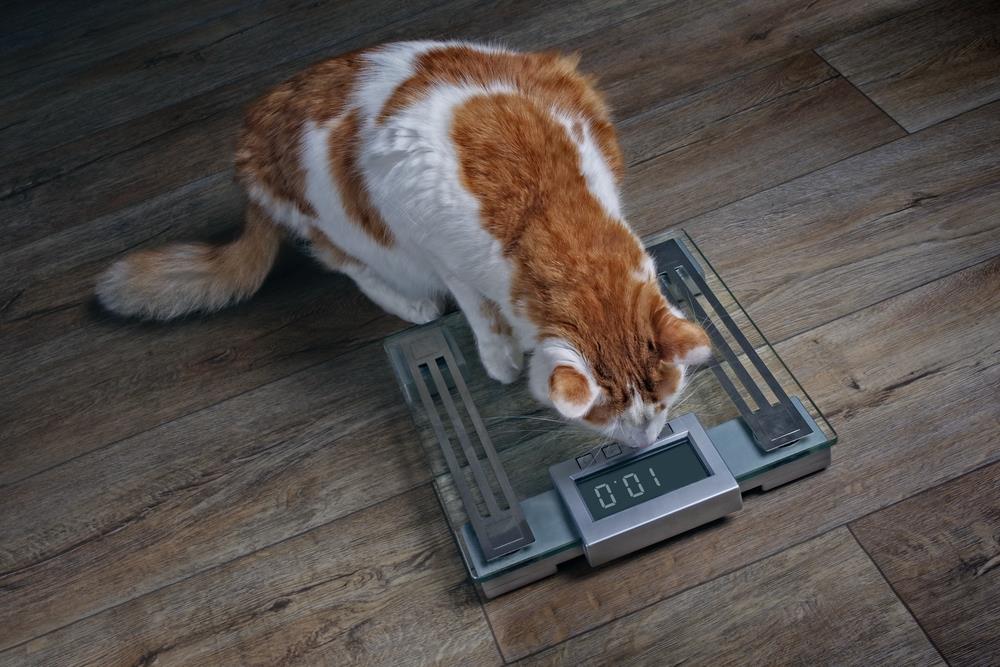
- Measure meals: Use kitchen scales or a proper measuring cup. Feeding by eye drifts over time.
- Feed to an ideal weight target: Your vet can help set this using BCS and frame size.3
- Make treats count: Keep treats within 10% of daily calories, or use a portion of the day's kibble as training rewards.3
Reading pet food labels
Labels vary by brand, and the feeding guide is only a starting point. What matters is your pet's body condition trend. If weight is rising, the current amount is too much, regardless of what the packet suggests. Your veterinarian can help you choose an appropriate diet and calculate a realistic daily energy intake for weight control.3
Human foods and little extras
Some human foods are unsafe for pets, and many are simply too energy dense. Even when the food itself is not toxic, using it often (cheese, fatty meat, peanut butter) can quietly undo weeks of careful feeding. When in doubt, ask your vet for a short list of low-calorie options that fit your pet's plan.
Exercise: build capacity, protect joints
Movement helps preserve muscle, improves mobility and supports long-term maintenance once weight begins to drop. For overweight pets, the goal is consistency, not intensity.
Dogs: steady, repeatable movement
- Start with short, comfortable walks and increase duration gradually.
- Avoid hard stops and sharp turns if your dog is sore or stiff. Gentler routes help.
- In hot weather, exercise early or late. Overweight dogs can overheat more easily.7
Cats: small bursts woven into the day
Cats tend to exercise in short sprints. Interactive play with wand toys, tossing small toys and food puzzles is often more realistic than expecting long workouts.
Older pets or pets with arthritis
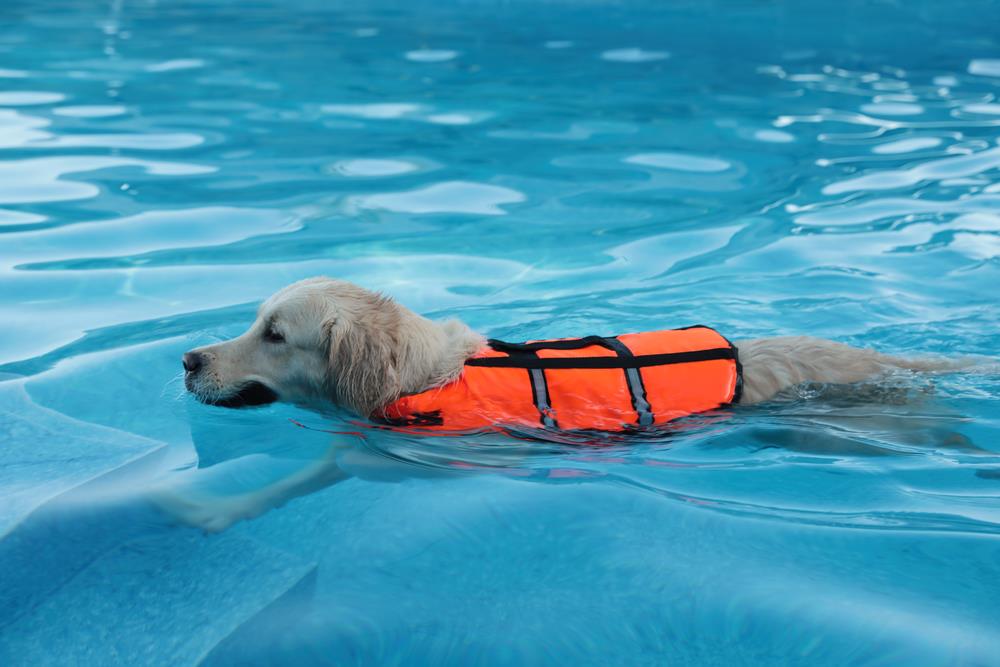
Choose low-impact activity and let comfort set the pace. Swimming can suit some dogs, but it is not appropriate for every animal, especially those anxious in water or with certain medical conditions. If your pet is sore, your vet can help manage pain so movement becomes possible again.
Behaviour changes that help
Most pets are not asking for food. They are repeating a pattern that works. Change the pattern, and the pressure often fades.
- Slow the meal: Use puzzle feeders or slow-feeder bowls to extend eating time and add enrichment.3
- Keep routines predictable: Scheduled meals reduce constant grazing and make intake easier to track.
- Swap food rewards: Use play, pats, grooming or a short training session as reinforcement.
Maintaining a healthy weight long-term
Weight loss is only the first phase. The real work is keeping it off once the obvious momentum is gone.
- Track trends: Weigh your pet regularly and re-check BCS. Small gains are easier to reverse than big ones.2, 3
- Adjust as life changes: Desexing, ageing, injury and seasonal routines can shift calorie needs.3
- Use your veterinary team: Follow-up visits help fine-tune feeding amounts and keep weight loss safe and steady.3
References
- McGreevy PD, Thomson PC, Pride C, et al. Prevalence of obesity in dogs examined by Australian veterinary practices and the risk factors involved (Veterinary Record, 2005), PubMed abstract
- World Small Animal Veterinary Association (WSAVA). Global Nutrition Guidelines and body condition score tools
- American Animal Hospital Association (AAHA). 2021 Nutrition and Weight Management Guidelines for Dogs and Cats
- AAHA. Prevention of Obesity (comorbidities and prevention guidance)
- Banfield Pet Hospital data: Association between life span and body condition in neutered client-owned dogs (PubMed abstract)
- American Veterinary Medical Association (AVMA). Press release on obesity and potential impact on pets' life expectancy (2024)
- RSPCA Australia. 4 ways to avoid obesity in your dog
- MSD Veterinary Manual. Overview of Nutrition: Small Animals (notes on obesity as a common nutritional disorder)

Dog lover and writer at My Pets Australia, sharing practical breed guides and care advice for Australian pet owners.