How to Create a Safe Outdoor Space for Your Pets
A well set-up outdoor space gives most pets what they love: room to move, scent trails, novelty, and a change in light and temperature. Done well, it supports a healthy body weight and cuts boredom-driven behaviour. The good news is that a safe space is less about size than about control: shade that follows the sun, water that stays clean, barriers that actually hold, and a garden that will not harm an animal the moment you look away. Get those right and outdoor time becomes one of the best parts of your pet's day. The notes below cover the quick checks you can do this afternoon, then the structural choices that keep the space safe day after day.1, 2, 3
Why outdoor space matters, and where it goes wrong
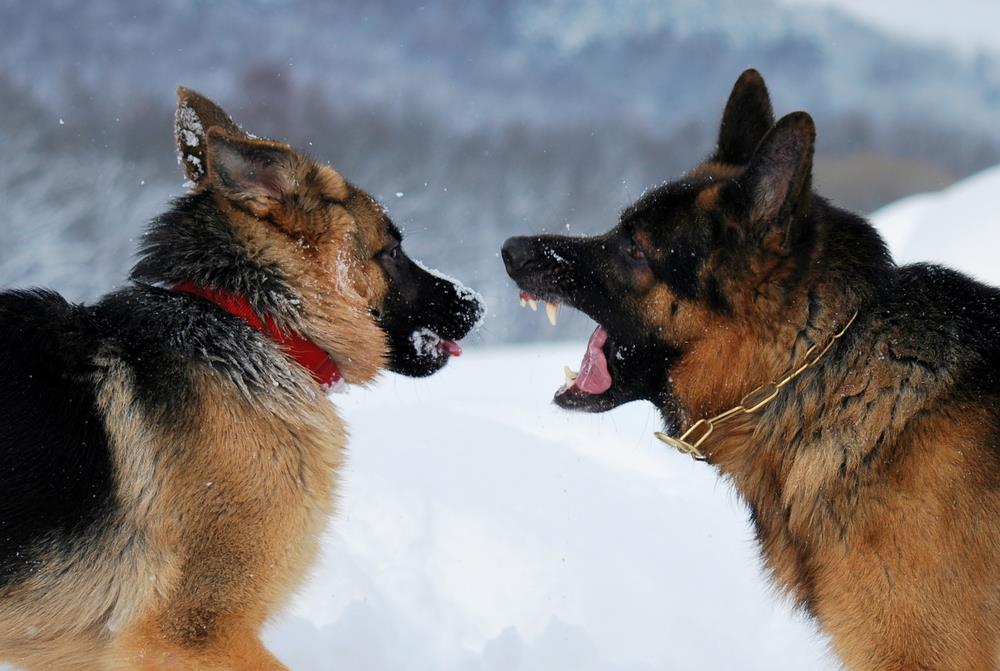
Time outside gives pets movement, fresh scents and a chance to behave normally. The risks, when a space is poorly planned, are predictable: heat stress, dehydration, escape, dog fights, tick exposure and plant poisoning. The aim is to let your pet express normal behaviour without leaving it to negotiate hazards alone.
Types of outdoor spaces and what each needs
Backyards give room to move, but they hide the most escape routes: loose palings, gaps under gates, soft spots for digging, and climbable launch points like wood piles and outdoor furniture.
Balconies and courtyards heat up fast and can be surprisingly dangerous if there are gaps in balustrades, nearby climbable items, or access to toxic pot plants. Treat one like a contained enclosure: stable shade, solid barriers, and nothing that works as a ladder.
Shared gardens in strata, units and townhouses can work, but they need a different mindset: tighter supervision, careful management of gates and doors, and a plan for dog-to-dog interactions. If you cannot reliably control who enters, when, and through which gate, the space is not truly secure.
Start with your pet
Needs change by species and by individual. One dog will pace a fence line for an hour; another will sleep in a single patch of shade. Some cats ignore plants completely; others will mouth anything green. Rabbits and guinea pigs in particular can overheat quickly when confined outdoors without airflow and shade.1, 2
Watch for signs the set-up is not working: reluctance to go outside, repeated attempts to escape, frantic digging at boundaries, excessive panting, drooling, vomiting or sudden lethargy. Heat stress can escalate quickly and should be treated as urgent.2
Essential elements of a safe outdoor space
Containment is the foundation. Fencing and gates do two jobs at once: they keep your pet in, and they reduce the chance of other animals getting in. Walk the perimeter from your pet's eye level and look for:
- gaps under gates and fences, including where the ground has washed away
- loose palings, rusted wire, or broken latch hardware
- climb assists: stacked timber, bins, outdoor chairs, low sheds next to the fence line
- digging spots along fence edges (soft soil, garden beds, sandy corners)
Shade needs to be reliable across the whole day as the sun moves, not just a shady spot at 9am. Heatwave conditions can arrive with little relief overnight, and pets struggle to cool themselves in still, humid weather.3 Make shade predictable with a roofed area, a shade sail with airflow, dense non-toxic shrubs, or a well-ventilated kennel placed out of direct sun. On very hot days, bringing pets indoors to a cooler part of the house is often the safest option.4
Water needs more than one source. Outdoor bowls get tipped, fouled, heated by sun, or contaminated by soil and insects. Provide at least two water points in separate, shaded locations, and refill and rinse daily, more often in hot weather.2
Pets also need a surface where heat is not radiating back into their body. On extreme days, concrete, metal and dark paving become heat traps. Provide an insulating surface in the shade such as a raised bed, rubber matting designed for pets, or a shaded patch of grass, and never leave animals on hot ute trays or other heated metal.5
Choosing fencing and enclosures
There is no universal best fence. The right choice depends on how your pet moves: jumping, climbing, chewing, digging, or simply slipping through gaps.
- Timber fences: good privacy, but can rot at ground level and open gaps over time.
- Welded mesh and metal fencing: durable; check the gap size for small dogs and rabbits, and consider climb risk for agile dogs.
- Chain-link: strong and cost-effective, but some dogs can climb it, especially with nearby footholds.
For small pets such as rabbits, guinea pigs and birds, think in terms of a secure, well-ventilated enclosure rather than time loose in the yard. Hutches and runs must stay shaded, protected from wind and rain, and able to shed heat. Small animals are particularly vulnerable to heat stress when confined and unable to move to cooler areas.1, 4
Shelter and shade in Australian conditions
Australia's heatwaves are formally monitored, and warnings are issued when severe or extreme heatwave conditions are forecast, helping households prepare for dangerous heat within the next few days.3 For pets, preparation is simple and physical:
- make sure shade covers the hottest part of the day, not just the morning
- ensure airflow through sheltered areas, since stuffy kennels trap heat
- increase water points and keep them shaded
- reduce exercise and outdoor time on very hot, humid days
If you notice heavy panting, drooling, weakness, vomiting or collapse, treat it as an emergency: move your pet to a cool place, begin gentle cooling with cool (not ice-cold) water, and contact a vet immediately.2
Landscaping and plants: the hidden hazards
Gardens are where many poisonings happen, often with very ordinary plants. Two deserve special care. Lilies are extremely toxic to cats; even small exposures can be dangerous, and rapid veterinary advice matters.6, 7 Oleander is toxic to dogs and cats, with the potential for serious illness.8
Choose garden products as if your pet will taste them, because many do. Cocoa bean mulch is a known risk for dogs because it can contain the same methylxanthines (such as theobromine) linked to chocolate poisoning, and the actual concentration is hard to predict.9 Keep pesticides, baits and fertilisers locked away, follow label directions carefully, and block access to treated areas until they are dry and safe.
A few habits make the whole garden safer:
- Learn the toxic plants most common in your area and remove them or block access.
- Fence off veggie beds and compost if your dog likes to scavenge.
- Keep pot plants stable and out of reach on balconies and courtyards.
- Avoid cocoa mulch if you have dogs.9
A five-minute routine that prevents most problems
Outdoor spaces do not stay safe by default. Sun warps timber, soil shifts under gates, and garden growth changes how climbable a fence line is. A quick weekly check keeps on top of it:
- Walk the boundary and test every gate latch.
- Look for fresh digging, chew points and new gaps.
- Rinse water bowls and move them back into shade.
- Remove fallen fruit, bones, sharp sticks and anything your pet is likely to mouth.
Before hot days, confirm the shade will still be shade at 3pm to 5pm, add extra water stations in different spots, and plan for your pet to be indoors during the worst heat where possible.4, 5
References
- RSPCA South Australia, Protecting pets and wildlife during extreme heat
- RSPCA NSW, Heat stress
- Bureau of Meteorology, Heatwave services and heatwave warnings
- RSPCA Australia, Keeping your pet safe during the heat
- Agriculture Victoria, Caring for animals during extreme heat (cats, dogs and other pets)
- ASPCA, Tips for a Pet-Safe Yard and Garden
- City of Monash (VIC), Toxic plants for cats
- ASPCA, Oleander (toxic plant profile)
- Poison Control, Cocoa bean mulch can poison dogs

Dog lover and writer at My Pets Australia, sharing practical breed guides and care advice for Australian pet owners.