How to Choose the Right Bed for Your Pet
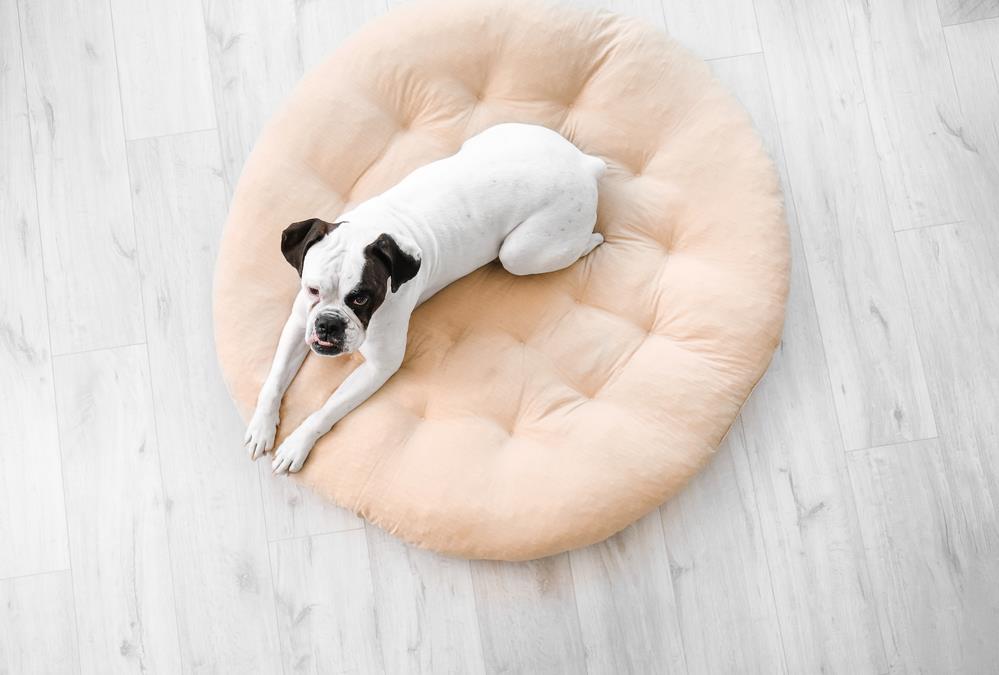
A pet bed does more than fill a corner of the room. It affects warmth, joint comfort, and hygiene, and a poorly made one can even become a safety risk if your pet chews it. The right bed matches how your animal actually rests, how your home runs day to day, and what stays safe over the long haul. The goal here is a calm, practical way to choose one, rather than guessing based on looks alone.
Start with the way your pet rests
Sleep and downtime are where small comfort and health issues tend to show up first. Some animals sprawl flat, others curl tight, and some rotate through a few preferred spots until they find the right temperature. A bed that suits those patterns helps your pet settle more easily and stay off cold, hard surfaces. Breed and body size can influence how much cushioning and space is needed, but the more reliable guide is the individual animal in front of you: age, weight, coat, and any signs of stiffness after resting.
If your pet is older, heavier, or showing signs of joint pain such as stiffness after naps, reluctance to jump, or being slower on cold mornings, prioritise a supportive, easy-access bed over anything decorative. Many veterinary and welfare guides recommend environmental adjustments for painful conditions, and supportive bedding with easy, safe access is part of that picture.1
Bed styles and what each one is good for
No single style suits every animal, so it helps to match the shape of the bed to the way your pet uses it.
Standard cushion beds
These are the familiar pillow-style beds. They suit healthy adult pets, warm indoor rooms, and animals that like simple, open sleeping spaces and sprawl out. Watch for thin filling that flattens quickly and covers that cannot be washed.
Orthopaedic (supportive foam) beds
Supportive foam beds are often a better choice for older pets or those with arthritis-like stiffness, because they reduce pressure points against hard floors. Look for a foam base that does not bottom out under your pet's weight, and a cover that can be removed and washed.1
Heated and extra-warmth beds
Warmth can help some older or lightly coated pets settle in cold weather, but heat sources add risk if cords are chewed or the bed overheats. If you are adding warmth, choose products designed for pets and keep them well supervised, especially with puppies and habitual chewers. Some animal welfare guidance also cautions against improvised heat sources such as electric blankets and hot water bottles because of chewing and burn risks.2
Covered or enclosed beds
Some pets rest best with a roof or high sides, particularly cats and nervous animals that prefer concealment. Covered styles create a quieter pocket of space, but they can trap heat in summer and reduce airflow. In cat-handling and welfare guidance, hiding and concealment are recognised as normal coping behaviour, and high-sided beds can help some cats feel safer.3
Choosing the correct size
A bed that is too small forces awkward curling, while one that is too large can feel exposed for animals that like to nest. Size it for how your pet actually sleeps most often. Wait until your pet is resting in a natural position, then measure from the tip of the nose to the base of the tail. For sprawlers, add roughly 10 to 20 cm of extra length. For curlers, less extra length is usually fine, but make sure the sides do not crowd the shoulders. If your pet is older or stiff, choose a bed with a low front edge so they do not have to climb or hop in.
Placement matters as much as size. Pets tend to rest where they can relax without being stepped over: out of draughts, away from high-traffic walkways, and not pressed against a heater. If your dog sleeps outdoors, welfare guidance recommends a well-built, weatherproof shelter with warm, dry bedding, positioned away from draughts and harsh sun.4
Materials, allergies, and easy cleaning
For light pets, a soft cushion can be enough. For heavy pets, thin padding compresses fast and leaves hips and elbows against the floor, so choose filling that holds its shape and does not collapse after a week of use. If your pet has itchy skin, recurring ear infections, or you are fighting a cycle of flea treatments, prioritise a washable cover. Regular washing of bedding is commonly recommended as part of routine care to support skin health and reduce external parasites.1
Durability and maintenance
A good bed should survive dirt, shedding, and the occasional stomach upset without becoming impossible to clean. Look for removable, machine-washable covers and tough stitching where the cover is under strain. A few quick quality checks help: stitching should be tight and even with no loose threads, zips should be covered or positioned where chewing is less likely, the base should be non-slip if the bed will sit on tiles or floorboards, and the cover should come off and wash without a wrestling match.
Safety and non-toxic materials
The most common bed hazards are simple: loose threads, torn foam, small detachable parts, and zips that a bored pet can worry at for hours. Regular checks for wear and tear are widely recommended, especially for chewers and scratchers.4 If a pet is likely to chew the bed, treat non-toxic as a requirement rather than a bonus. In Australia, consumer product safety is regulated under the Australian Consumer Law, and the ACCC's Product Safety information is the most reliable place to check recalls and safety alerts before buying.5
A few simple rules cover most risks. Inspect the bed weekly for holes, loose threads, exposed foam, and broken zips. Remove it if the filling becomes accessible, since swallowed foam can cause serious gut problems. Avoid cords and plug-in heat sources for pets that chew or dig. Wash covers regularly and dry them fully to reduce mould and odours.
Value and using reviews well
The cheapest bed often becomes the most expensive once it is replaced repeatedly, or if it is hard to keep clean. Practical value usually comes down to three things: it stays supportive, it is easy to wash, and it does not become a safety hazard as it wears. Welfare guidance also links comfort and supportive bedding to quality of life, particularly for animals with painful conditions such as arthritis, so value can be felt in how easily your pet settles and gets up again.1
Reviews are most helpful when they describe the pet (size, age, chewing habits) and how the bed held up after washing. Be wary of vague five-star praise with no detail, and treat orthopaedic as a claim you still need to check for foam thickness, density, and whether it bottoms out. For cats, look for comments about whether the bed supports normal preferences such as concealment or perching, because those details often predict whether a bed will be used or ignored.3
References
- RSPCA Pet Insurance Australia, Supporting the emotional wellbeing of dogs and cats (environment, bedding, washing, arthritis adjustments)
- RSPCA South Australia, Cold weather tips for pets (bedding warmth; cautions about hot water bottles and electric blankets)
- ISFM/AAFP (2022) Cat Friendly Veterinary Environment Guidelines (hiding, high-sided beds, concealment)
- RSPCA Knowledgebase, Advice on caring for my dog (sleeping arrangements, bedding, cleaning, outdoor shelter)
- ACCC, Product Safety for consumers (recalls and safety information)

Dog lover and writer at My Pets Australia, sharing practical breed guides and care advice for Australian pet owners.