How Pets Affect Your Sleep: Understanding the Impact of Furry Companions on Rest
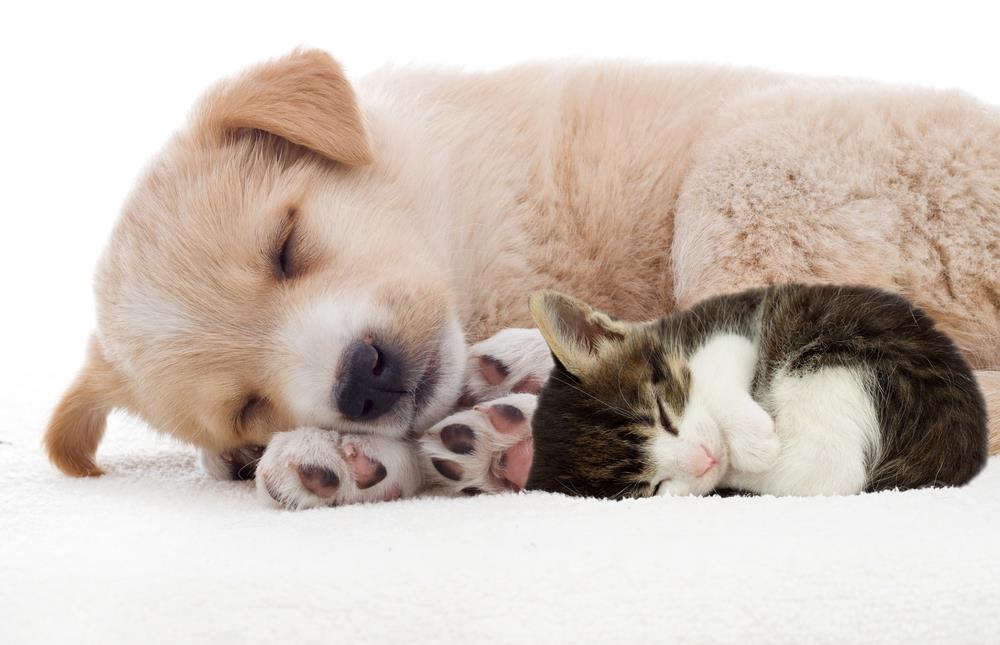
Sharing a bed with a dog or cat is one of the small comforts of pet ownership, and for a lot of Australian households it works well. A calm animal at your feet can make the room feel steadier and help you settle at night. It also brings movement, noise, allergens and germs into the one place you are meant to be most still. The useful question is not whether it is good or bad in general, but whether your particular set-up is protecting your sleep or quietly chipping away at it. This article weighs the trade-offs so you can choose an arrangement that keeps you rested and your animal safe and settled.
How dogs and cats sleep, and why it can clash with humans
Human sleep is usually one long block, built from repeating cycles that include deeper slow-wave sleep and REM. Dogs and cats sleep in shorter bouts and wake more easily, which suits animals tuned to their surroundings. As a rough guide, many adult dogs sleep around 12 to 14 hours a day, with puppies and older dogs often needing more. Cats commonly sleep 12 to 16 hours and are often most active around dawn and dusk, a pattern called crepuscular activity.1
In a shared bed, that lighter, more reactive sleep can show up as:
- position changes and paw-steps that pull you towards lighter sleep
- early-morning wake-ups that become a routine
- noises (snoring, grooming, collar jingles) that seem small until they repeat
When sleeping with a pet feels better
There is a good reason so many people do it. A calm animal nearby can make the bedroom feel steadier: warmth at your feet, a familiar weight against your back, a settling presence in the dark. For some people that lowers bedtime alertness and makes it easier to fall asleep. It is also common to feel safer with a dog in the room, especially in a quiet house.
What the research says about sleep quality
The evidence is mixed, largely because people and pets vary so much. A large 2024 study found that adults who reported co-sleeping with pets also reported poorer sleep characteristics, including poorer perceived sleep quality and greater insomnia severity.2 Earlier work points to a useful middle ground: having a dog in the bedroom may be compatible with decent sleep efficiency for many people, while having the dog on the bed can slightly reduce it.3
In practice the deciding factor is simple. If you are waking more, taking longer to fall back asleep, or feeling unrefreshed most mornings, the set-up is not working, no matter how comforting it looks.
Common ways pets disturb sleep
Most sleep disruption comes from small, repeated events rather than one dramatic wake-up.
- Movement: shifting positions, scratching, jumping on and off the bed.
- Noise: snoring, licking and grooming, nails on the floorboards.
- Timing mismatch: early morning feeding expectations, crepuscular cat activity.
- Space: you end up curling around the animal rather than relaxing into your own posture.
Allergies, hygiene and infection risk
For people with asthma or allergies, the bedroom can become a concentrated zone for dander and fur, making night-time symptoms worse. Even without a diagnosed allergy, irritation and congestion can creep in over time.
There is also the quieter question of germs and parasites. Public health guidance focuses on simple prevention: hand hygiene, keeping pets well, and being extra cautious if someone in the home is higher risk (young children, pregnancy, older age, or weakened immunity).4, 5, 6 If anyone in your home is immunocompromised, has open wounds, or is prone to infection, it is worth being conservative about bed-sharing and focusing on clean, separate sleeping spots nearby.5, 7
A practical compromise: same room, different surfaces
For many households the best sleep comes from keeping pets close but off the human mattress. That preserves the companionship while reducing movement transfer, allergen build-up on pillows, and midnight negotiations over space.3, 7
Set up a pet sleep station that actually gets used
- Place a dedicated pet bed close to your bed, within sight and reach.
- Choose a surface that suits their style (nesting sides for curlers, flatter mats for sprawlers).
- Make it predictable: same spot, same bedtime cues, same reward pattern.
Build night-time behaviour that supports sleep
- Evening wind-down: gentle play or a walk earlier, then quiet time before bed.
- Remove the accidental rewards: if they wake you for attention, keep interactions brief and boring.
- Morning boundaries: feed after you are up, not as payment for waking you.
When to change the plan
Consider moving your pet off the bed, at least as a two-week trial, if any of these are true:
- you are waking more than once most nights, or struggling to get back to sleep
- your allergy or asthma symptoms are worse overnight
- your pet is scratching, licking, snoring loudly, or pacing
- anyone in the home is pregnant, immunocompromised, or medically fragile4, 5, 6
If your pet's sleep suddenly changes, with restlessness, more waking, new snoring or frequent scratching, treat it as information. Pain, skin irritation, anxiety and medical problems often announce themselves at night, when the house finally goes quiet, and a vet check is worthwhile.
About sleep trackers and pet monitors
Wearables and pet trackers can be useful for spotting patterns, such as a consistent 2 am wake-up, or sleep that improves when the dog uses their own bed. They are less reliable for diagnosing problems, but they give you a calmer way to test changes without guessing.
Final thoughts
At night a household settles into its true habits. Sometimes a pet on the bed is a steadying weight that helps you drift, and sometimes it is a sequence of small disturbances that slowly erodes sleep. The kinder option for both of you is the one that lets everyone rest deeply, often close together, but not necessarily tangled in the same sheets.
References
- Sleep Foundation: How Much Do Cats Sleep?
- Scientific Reports (2024): Co-sleeping with pets, stress, and sleep in a nationally-representative sample of United States adults
- Time (2017) summarising Mayo Clinic Proceedings study on dogs in the bedroom vs on the bed
- NSW Health: Staying safe around pets and animals
- CDC: Healthy Pets, Healthy People, Clinical resources (zoonotic risk and prevention)
- healthdirect Australia: Keeping healthy and safe with pets and other animals
- Sleep Foundation: Sleeping with Pets (benefits, disruptions, risk considerations)
- PubMed: Zoonotic Risks of Sleeping with Pets
- ABC News (Australia): The benefits and risks of sleeping next to your dog

Dog lover and writer at My Pets Australia, sharing practical breed guides and care advice for Australian pet owners.