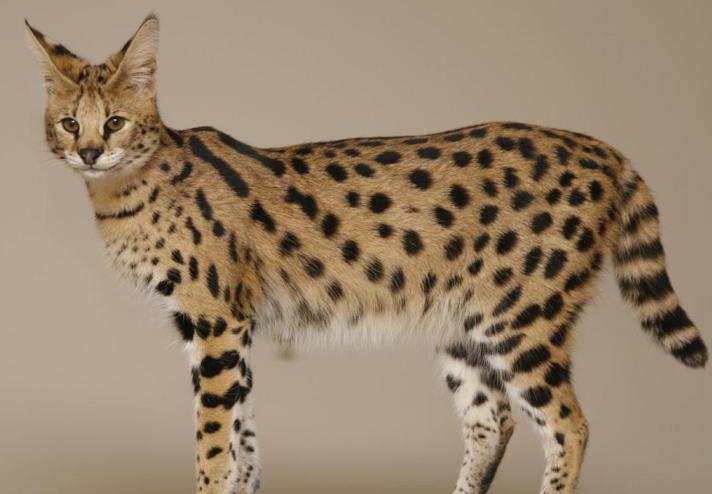
Halitosis - bad breath in Cats
Cats are not meant to have breath you can smell across the room. A mouth that has turned sour, metallic, sweet, or simply strong is usually the first outward sign that something needs attention, and most of the time that something is dental disease. Plaque, tartar, and gum inflammation build quietly until the smell gives them away. The good news is that caught early, it is usually straightforward to treat. This guide covers what causes it, what you can manage at home, and when it is time for a vet.1, 2
What causes bad breath (halitosis) in cats?
Bad breath is a symptom, not a diagnosis. The smell itself can be a useful clue, but the cause still needs checking, especially if it is new, persistent, or getting worse.1, 3
Dental and mouth causes (most common)
In most cats, halitosis starts in the mouth. A thin film of plaque forms on the teeth, then hardens into tartar (calculus). That rough surface holds more bacteria at the gumline, driving gingivitis and, if left, periodontal disease. The odour comes from bacterial by-products and inflamed tissue.2, 3, 4
- Plaque and tartar build-up and periodontal disease, the everyday, creeping cause.2, 4
- Gingivitis and stomatitis, inflamed gums and mouth tissues that can smell sharp and unpleasant.4, 5
- Broken teeth, tooth root infection, or oral abscess, often a strong, foul smell.5
- Something stuck in the mouth, such as string, bone fragments, or food lodged under the gum.3
- Oral tumours or ulcers, less common, but important not to miss.3
Medical causes outside the mouth
Sometimes the breath changes because the body chemistry changes. Kidney disease and diabetes are the classic examples, and both become more common as cats age.3
- Kidney disease can cause a chemical or ammonia-like smell, and in more advanced cases it may come with mouth ulcers.3
- Diabetes mellitus can cause a sweet or fruity smell from ketones, particularly if the diabetes is poorly controlled.3
Signs that often come with halitosis
Some cats keep eating even while their mouth hurts, so it pays to watch for small, quiet changes. These signs commonly travel with dental disease and other oral problems.1, 2, 6
- Yellow-brown tartar on the teeth, or red, swollen gums
- Drooling, especially if it is new
- Pawing at the mouth or head-shy behaviour
- Chewing on one side, dropping food, or favouring softer food
- Reduced appetite, weight loss, or a change in grooming
When to see a vet, and when it is urgent
A mild food smell after a meal is one thing. A persistent change in breath is different, and it is worth booking a check-up, especially if your cat is older, has known dental disease, or you can see tartar or inflamed gums.1, 6
Seek prompt veterinary care if bad breath comes with any of the following:
- Not eating, crying when chewing, or hiding more than usual
- Facial swelling, bleeding from the mouth, or obviously broken teeth
- Vomiting, marked changes in thirst or urination, or sudden weight loss
- A sudden, strong chemical smell, especially in a senior cat3
Diagnosis: what the vet may do
Most cats need more than a quick peek at the front teeth. A proper dental assessment may include looking under the gumline and taking dental X-rays, often under anaesthesia, because that is where much of the disease hides.4, 7
Depending on what is found, your vet may also recommend blood and urine tests to check for medical causes such as kidney disease or diabetes, especially in middle-aged and older cats.3
Treatment options that actually work
Professional dental treatment
If periodontal disease is present, the most effective treatment is a professional dental clean under general anaesthesia, with cleaning below the gumline and polishing to slow the plaque from re-attaching. This is also when extractions can be done if teeth are painful or beyond saving.5, 7
Be cautious with anaesthesia-free dental cleaning services. They may remove visible tartar, but they cannot safely clean below the gumline or properly assess the mouth, and they can give a false sense that the disease has been treated.7, 4
Medication and medical treatment
If there is an infection, inflammation, or an underlying illness feeding the smell, treatment may include pain relief, targeted antibiotics where appropriate, and management of the underlying condition. The key point is that medication alone usually will not fix dental disease while tartar and infected pockets remain.5, 3
Home dental care to prevent bad breath
Once the mouth is comfortable, daily home care slows the return of plaque. Brushing is the most reliable option, even if you only manage a small section of the outer tooth surfaces at first.1, 7
Toothbrushing (practical approach)
- Use a cat toothbrush or a soft finger brush, and toothpaste made for cats.1, 7
- Start with a few seconds and build up. Many cats tolerate brushing better if you lift the lip and focus on the outer surfaces.
- If the gums look inflamed or brushing seems painful, stop and get a vet check. Brushing sore gums can worsen both the aversion and the discomfort.8
Never use human toothpaste
Human toothpaste is not designed to be swallowed. In cats it can cause stomach upset, and some products contain ingredients that are unsafe for pets. Stick to feline toothpaste from your vet or a reputable pet supplier.1, 7
Dental diets, treats, and other supports
If brushing is not possible, ask your vet about dental diets and other oral health products. They can help, but they work best as support rather than a replacement for brushing and professional care.8, 7
Diet and cat breath: what to change and what not to claim
Food can change the smell of the breath, especially strongly flavoured diets, but it does not remove dental disease on its own. Wet food is not automatically better for teeth than dry food. What matters is whether the diet is designed for dental health and how much plaque control your cat gets overall.8
If your cat has persistent halitosis, treat it as a health clue rather than a dietary nuisance. Check the mouth, address dental disease early, and use diet as one part of prevention.
Natural remedies: what is safe and what to avoid
Most home cures for bad breath in cats are either unproven or risky. Do not add essential oils such as tea tree, peppermint, or spearmint to your cat's water or food. Cats are far more sensitive than people to many concentrated oils, and accidental overdosing is easy.
The safer, evidence-based options are simpler: veterinary dental care, toothbrushing with cat toothpaste, and vet-recommended dental products.1, 7, 8
The Bottom Line
Bad breath is often the first outward sign of a quiet problem at the gumline. Caught early, treatment is usually simple: a proper veterinary exam, dental care if needed, then steady home maintenance. Left to drift, it tends to deepen into pain, infection, and teeth that cannot be saved.2, 4, 7
References
- RSPCA Pet Insurance Australia · Guide to cat dental care
- RSPCA NSW · Dental disease signs (including bad breath) in cats
- PetMD · Bad breath in cats: causes, symptoms, and when to see a vet
- Merck Veterinary Manual (Cat Owners) · Dental disorders of cats
- VCA Animal Hospitals · Halitosis in cats
- Cat Protection Society of NSW · Factsheet: Feline dental care
- American Animal Hospital Association (AAHA) · Dog and cat dental disease: professional cleanings, anaesthesia, and home care
- AAHA/AAFP · Feline life stage guidelines: feline dental care (including dental diets and anaesthesia-free dentistry)

Dog lover and writer at My Pets Australia, sharing practical breed guides and care advice for Australian pet owners.