Guide to Eco-friendly Pet Care
Eco-friendly pet care is mostly about the ordinary routines, not grand gestures. The biggest environmental impacts hide in what goes in the bowl, what goes down the drain, where the waste ends up, and how pets move through local wildlife habitat. Small choices add up over a pet's lifetime, and the good news is that most of them are also cheaper and simpler than the alternatives. This guide walks through the practical levers, from food to waste to energy, with an eye on Australian conditions and native wildlife.
Where the impact really comes from
A pet's environmental footprint is mostly shaped by everyday inputs and outputs: food, waste, products, and energy. "Carbon pawprint" is an informal way people talk about the greenhouse gases linked to those choices, particularly diet and supply chains.
Diet is often the heavy hitter. Recent research comparing almost 1,000 commercial dog foods found very large differences between products, with wet, raw, and meat-rich foods generally far higher-impact than lower-impact dry foods, and impacts rising when "prime" meat is used rather than lower-demand animal parts.1, 2
Choosing a pet that fits your home and your local wildlife
Good matching is environmental care in disguise. A pet that suits your space and daily rhythm is less likely to need constant replacements (beds, enclosures, equipment) or trigger behaviour problems that lead to "quick fixes" and extra consumption.
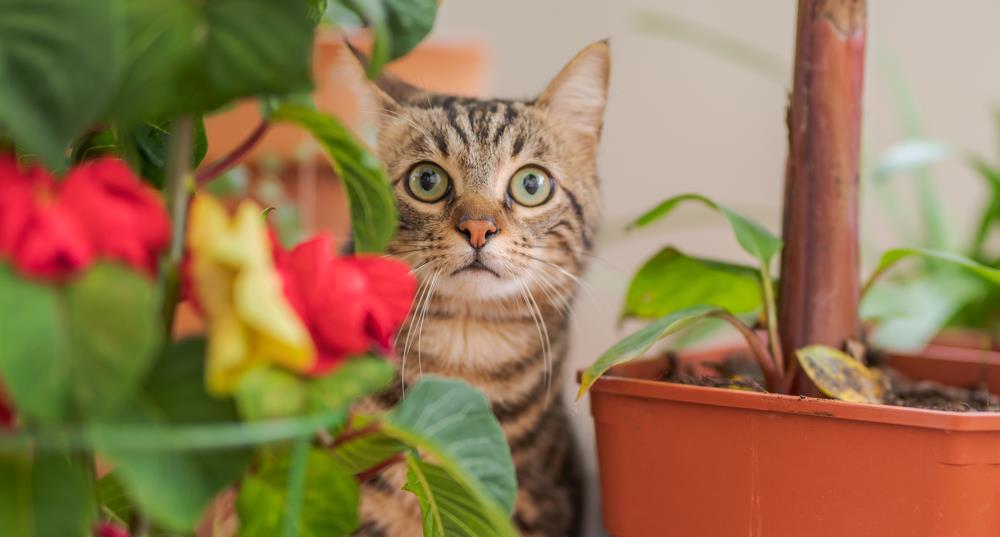
If you live near bushland, waterways, or reserves, consider the knock-on effects on wildlife. Cat containment is a particularly practical step: it protects native animals and also reduces risks to the cat (traffic, fights, poisoning, disease, snakes). Australian animal welfare organisations and state guidance describe containment as keeping cats on the property at all times, whether indoors, in a secure outdoor enclosure ("catio"), or behind cat-proof fencing, paired with enrichment so welfare needs are met.5, 6
Adoption does not automatically make pet ownership "low impact", but it can reduce demand for breeding and helps match animals to households. In practice, the most sustainable pet is often the one already here, needing a stable home.
Food choices: the quiet daily lever
Pet food sits at the intersection of animal nutrition and agriculture. If you want to reduce impact without compromising health, aim for a diet that is nutritionally complete and balanced for the species and life stage, and then make sustainability tweaks inside that boundary.
- Avoid chasing trends. The labels "grain-free", "raw", or "premium" do not guarantee better health, and some categories can carry a higher environmental cost due to ingredients and processing choices.1, 2
- Look for less reliance on prime cuts. The University of Edinburgh and Exeter work suggests products using more prime meat tend to drive higher emissions, while foods using lower-demand animal parts can reduce impact while still providing nutrition for dogs.1, 2
- Keep it "complete and balanced". Veterinary nutrition guidance stresses that adequacy and balance matter more than ingredient marketing. If you are changing diets for any reason, including environmental ones, your vet is the best checkpoint.4
Some dogs may do well on carefully formulated vegetarian or plant-based diets, but it is not a casual swap. The diet still has to be complete and balanced, and some pets need closer monitoring after a change.4 For cats, the bar is much higher. Cats have specific nutrient requirements that are difficult to meet without precise formulation and supplementation, and expert commentary from Australian veterinary and welfare voices notes the evidence base is still developing and the risks from poorly formulated diets are real.7
Waste often comes from overbuying, poor storage, and portions that do not match the pet in front of you. Measure portions for your pet's current weight and activity, and adjust slowly. Store food properly (sealed, cool, dry) and use older stock first. If your pet regularly leaves food behind, treat it as a signal to review portion size or diet choice with your vet.
Grooming and hygiene
Grooming products wash off into waterways and add to household chemical load. Fragrance-heavy, antibacterial-everything routines are rarely necessary for healthy pets.
- Use the mildest product that does the job, and avoid over-washing.
- Choose concentrates or refill options where available to cut packaging.
- Use microfibre cloths you can wash rather than disposable wipes, since many "flushable" products are not truly safe for plumbing or the environment.
Pet waste and litter
Pet waste is part pollution, part pathogen risk. In public places, pick up immediately and bin it. Some councils also warn against "flushable" wipes and bags because they can create broader environmental and infrastructure problems.8
Plant-based or recycled-paper litters can reduce reliance on mined materials and plastics, but composting used litter is not always straightforward. If you are considering composting, check local council guidance first and keep human health in mind, especially if anyone in the household is pregnant or immunocompromised.
Toys, accessories, and energy use
Most pet toys are a mix of synthetics, dyes, and short lifespans. The lower-impact path is usually boring: buy less, repair when you can, and avoid novelty items that do not survive a fortnight.
- Prefer durable, repairable toys over "cute" ones that shred immediately.
- Look for minimal packaging and clear material information.
- Rotate toys rather than constantly replacing them. Many pets engage more with a "new-to-them" rotation than with a constant stream of new purchases.
Aquariums, heat lamps, dryers, and pet-tech gadgets can quietly add to household power use. Often, small husbandry changes help more than a new device. Use natural light where appropriate and safe for the species, choose efficient equipment (timers, LED lighting) for tanks and enclosures, and warm the home sensibly rather than heating a single "pet zone" with inefficient heaters.
Medications and vet care
Medications are designed to be biologically active, which is exactly why they do not belong in sinks, toilets, or household rubbish. Australia's National Return and Disposal of Unwanted Medicines (NatRUM) program lets you return unwanted medicines, including pet medicines, to participating community pharmacies for safe disposal at no cost.9, 10
- Gather expired or unwanted medicines (tablets, liquids, creams, pet medicines).
- Take them to a participating community pharmacy and ask the pharmacist where to hand them in, as the bin is often kept in the dispensary area.9, 10
- Recycle outer packaging at home where appropriate, and protect your privacy by removing or obscuring identifying labels if needed.10
Outdoor time without disturbing wildlife
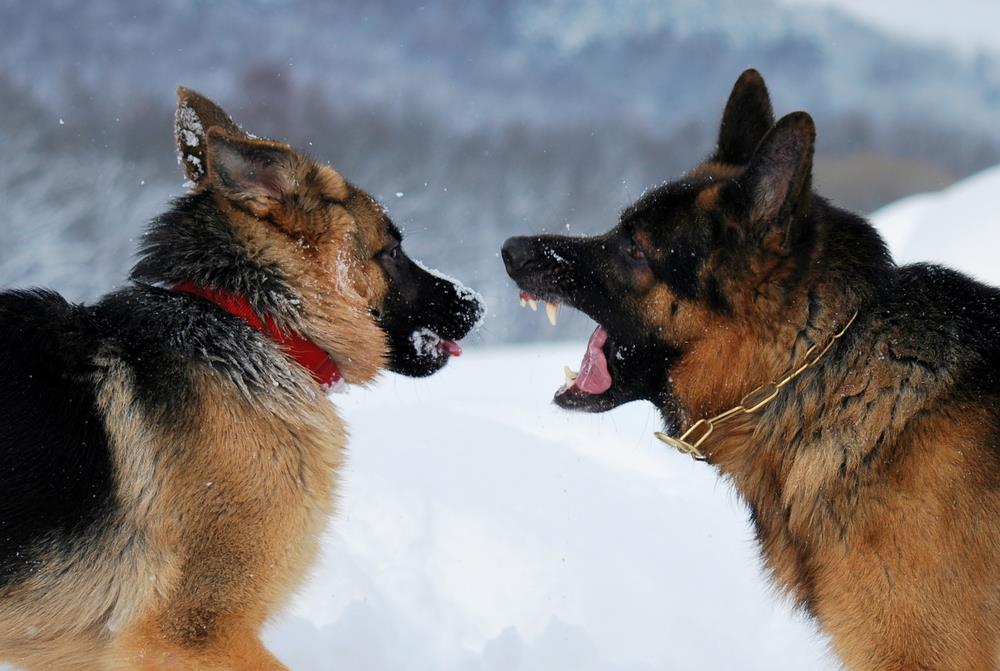
Outdoor activity can be good for pets, but it needs a light footprint. Keep dogs under effective control, stay on tracks in sensitive areas, and do not allow chasing or harassment of wildlife. For cats, the lowest-risk approach for wildlife (and the cat) is controlled access: indoors, a secure catio, or cat-proof fencing, with supervision or harness training for those cats that tolerate it.5, 6
References
- University of Edinburgh Research Explorer: "Estimating the Environmental Impact of Dog Foods Marketed in the UK" (Journal of Cleaner Production; published 20 Jan 2026)
- University of Exeter News: "Dogs' dinners can have greater climate impact than owners', study finds"
- The University of Edinburgh News: "Climate impact of dogs' dinner revealed"
- World Small Animal Veterinary Association (WSAVA): Global Nutrition Guidelines
- RSPCA Australia: "Keeping cats and local wildlife safe in your community"
- Agriculture Victoria (Animal Welfare Victoria): "Keeping your cat safe at home" (page last updated 28 Jan 2026)
- ABC News (Science): "Are cats fed a vegan diet healthier than meat-fed moggies? The evidence is still unclear"
- Inner West Council (NSW): "Dogs and the environment"
- Australian Government Department of Health, Disability and Ageing: National Return and Disposal of Unwanted Medicines (NatRUM) Program
- Therapeutic Goods Administration (TGA): Safe disposal of unwanted medicines (last updated 26 Feb 2025)

Dog lover and writer at My Pets Australia, sharing practical breed guides and care advice for Australian pet owners.