Feline senses
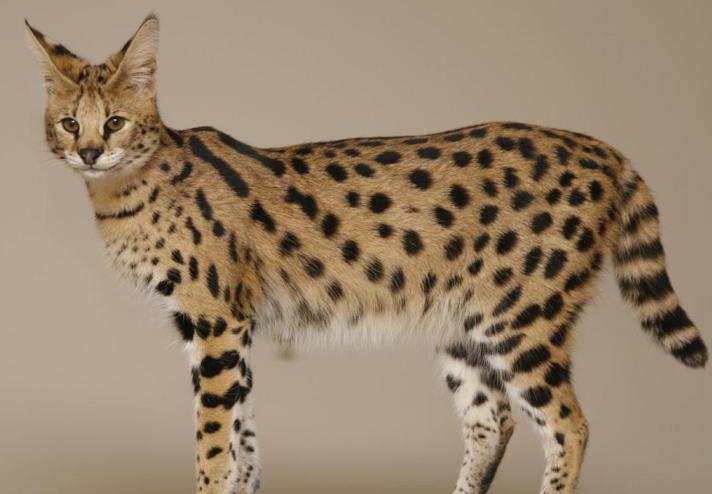
Cats read the world through a different set of priorities than we do, leaning on scent, sound, low light and close-range touch far more than fine detail. A cat built for hunting at dawn and dusk comes with sensory gear that can look like stubbornness: the long sniff at a new bag, the freeze at a sound you cannot hear, the confident stroll down a dark hallway. Most of the time that is normal feline biology at work. Understanding the mix helps you set up a calmer home, read behaviour more accurately, and notice when something genuinely looks off.
The anatomy of a cat's senses
A cat's sensory toolkit is built for a small predator. Smell and hearing do most of the long-range scanning. Vision is tuned for movement and low light rather than fine detail. Whiskers add a close-up, three-dimensional edge detector for when the environment is dark, cluttered or unfamiliar.
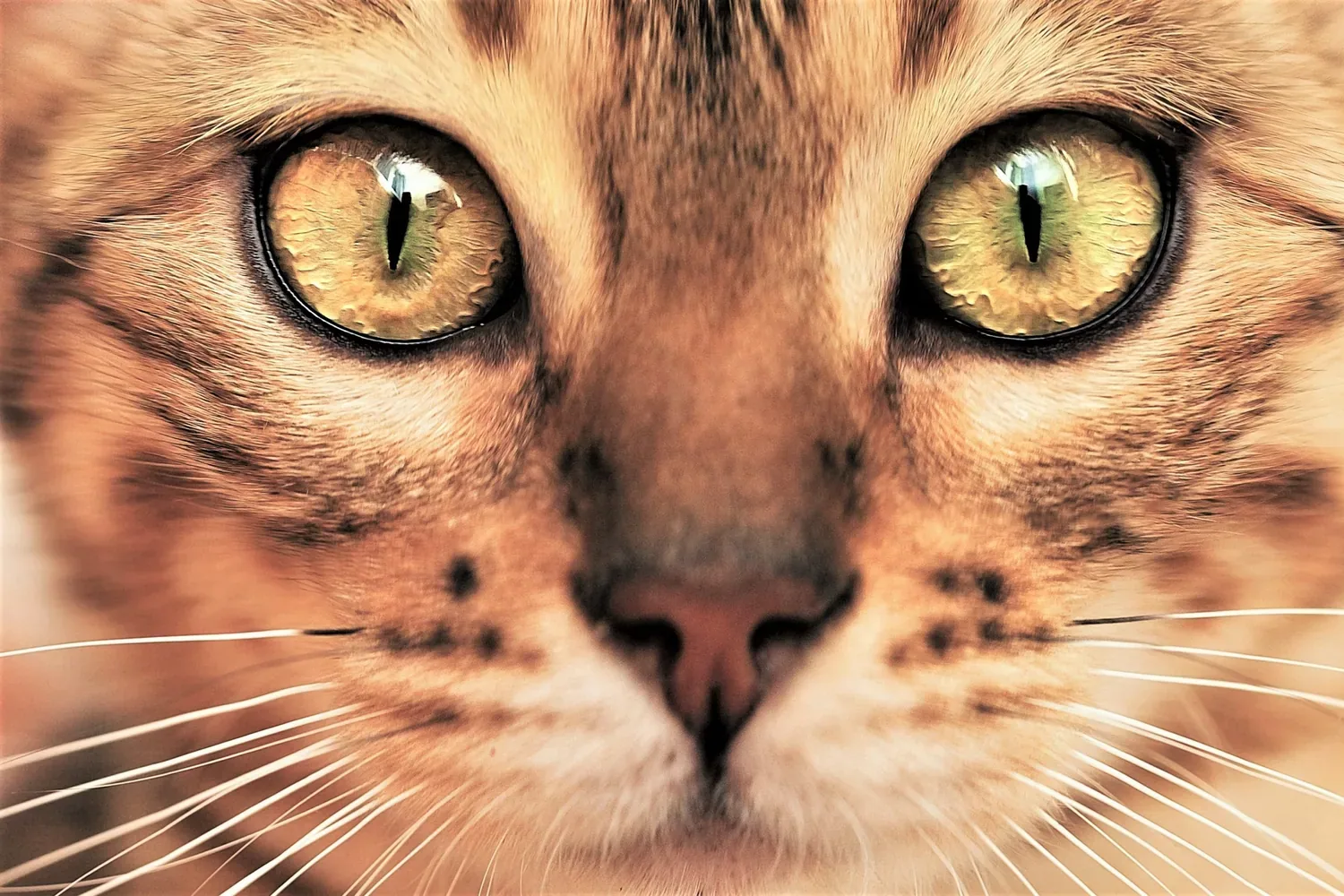
Cats also have an extra chemical-sensing pathway, the vomeronasal organ (often called Jacobson's organ), which helps them read pheromones and other social scent signals. You will sometimes see this when a cat pauses, sniffs, then holds their mouth slightly open in a brief flehmen response.1, 2
How cats use their sense of smell
For a cat, scent is a steady stream of information about who has been here, what changed, and whether a place feels safe. It is not just about finding food. Scent marking, including facial rubbing and scratching, helps build a familiar scent landscape at home, which can reduce stress.3, 4

When a smell is especially interesting, cats may use the flehmen response to pull scent molecules towards the vomeronasal organ. This is most often linked with pheromones and other chemical cues, including those left in urine or on surfaces.1, 2
The importance of a cat's sense of hearing
A cat's ears are built to track small, high-pitched sounds, the sort made by rodents and insects. Behavioural hearing studies have found cats can detect sounds from about 48 Hz up to around 85 kHz at typical test levels, which extends well beyond the upper range of human hearing.5
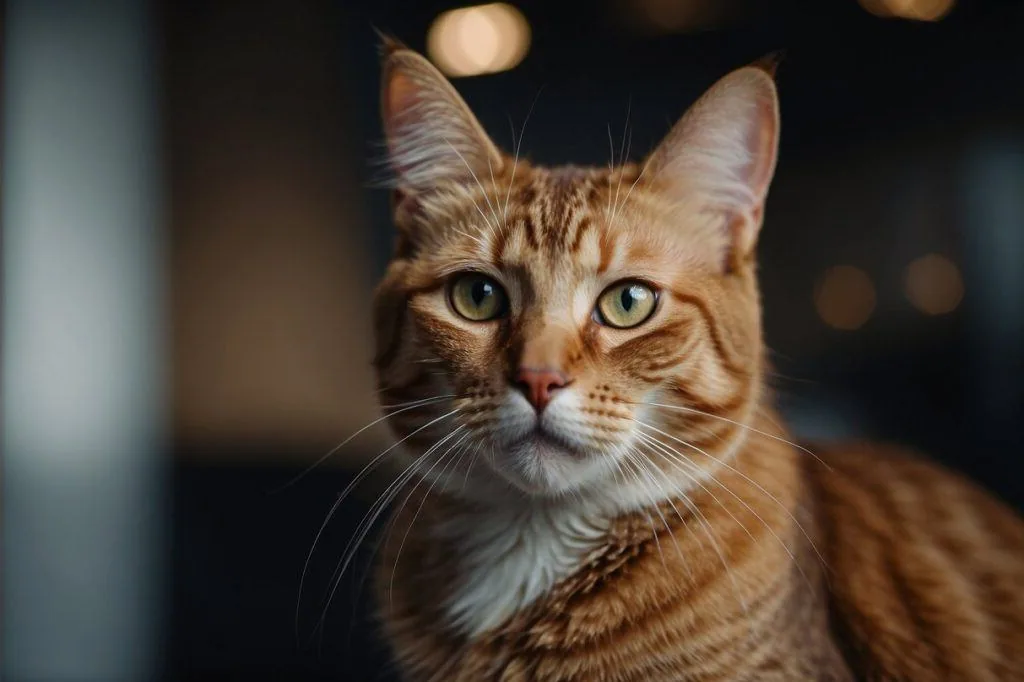
That sensitivity is useful, but it also means some household noises land harder than we expect. If a cat startles easily, provide quiet retreat spaces and avoid sudden loud sounds where you can, especially for cats that are unwell, elderly or vision-impaired.3, 6
The role of whiskers in touch and navigation
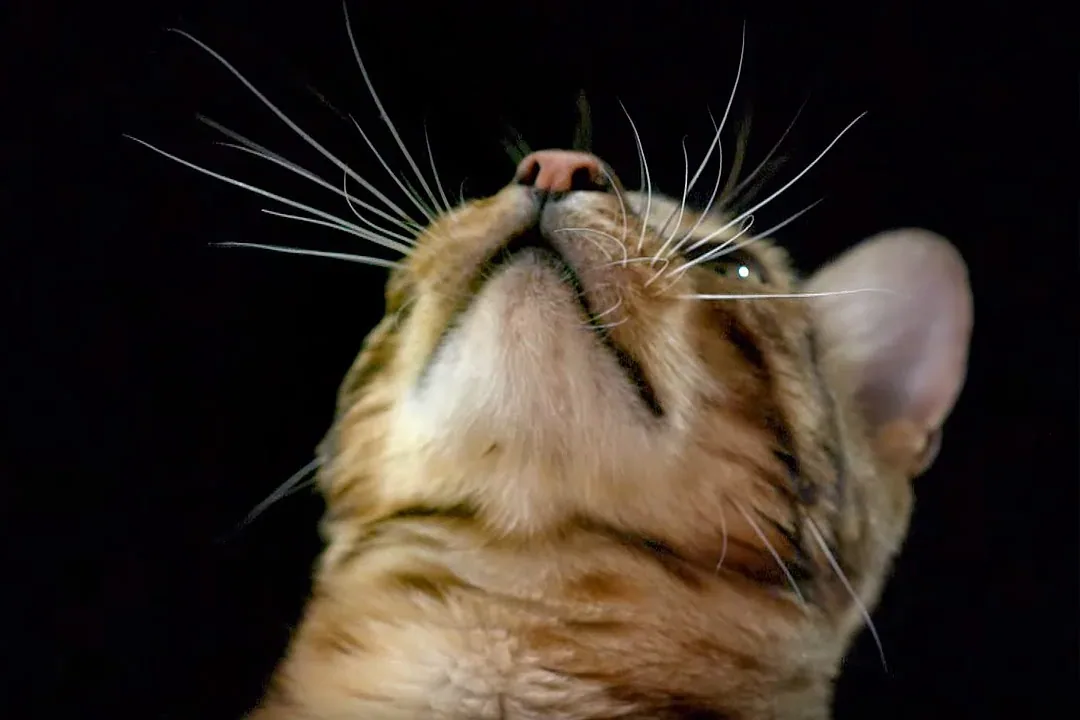
Whiskers (vibrissae) are specialised tactile hairs, anchored deep in the skin and wired into a rich network of nerves. They help cats judge nearby space, detect subtle air movement, and move with confidence through tight gaps or low light, often without needing to touch an object first.7
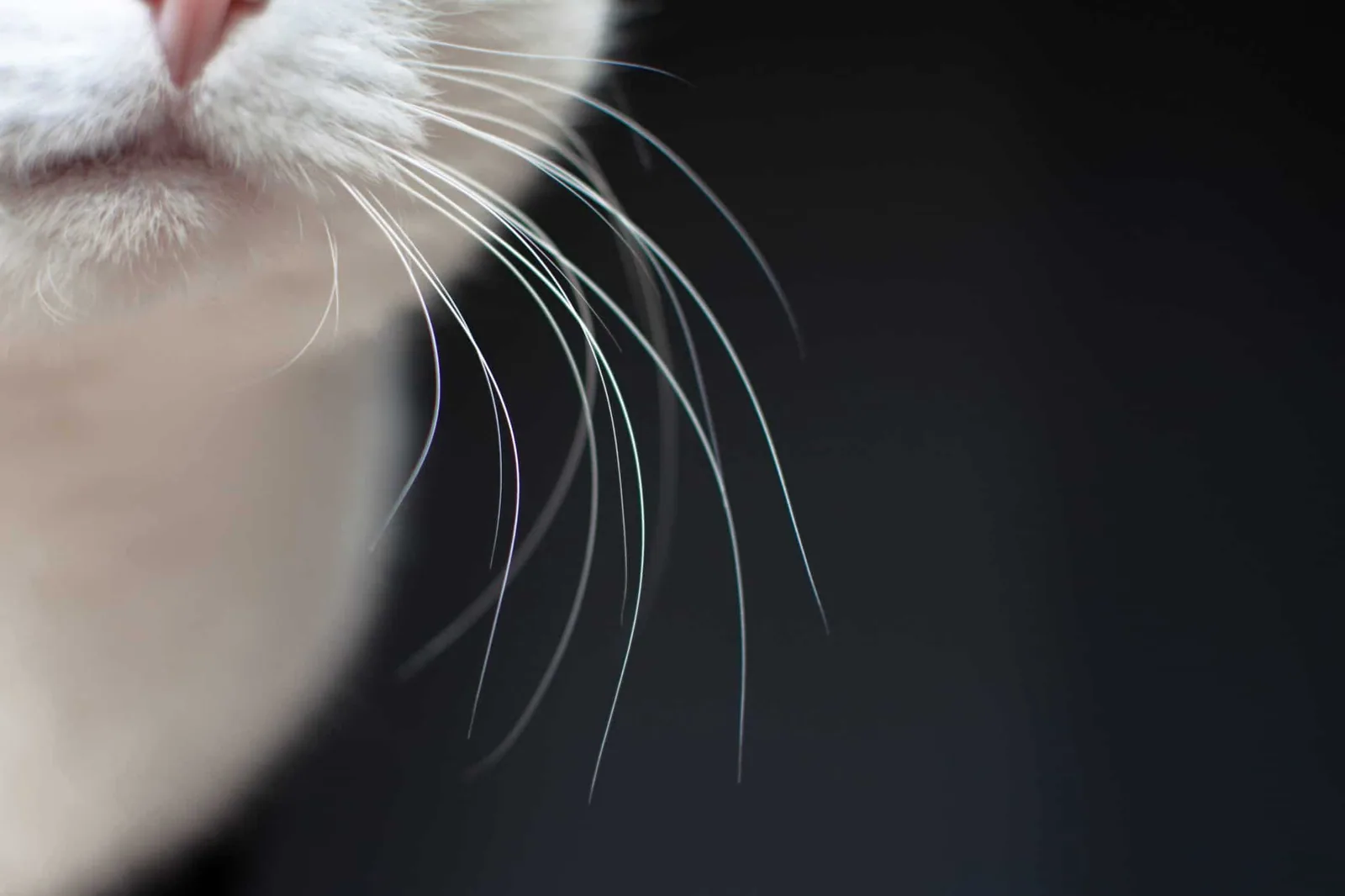
Because whiskers are part of how a cat measures their immediate surroundings, they can be overstimulated by repeated pressure, for example brushing constantly against the sides of a narrow food bowl. If your cat seems fussy at the bowl, a wider, shallower dish is a simple thing to trial.
The unique vision of cats
Cat eyes are designed to work well in dim conditions. A reflective layer behind the retina (the tapetum lucidum) boosts light sensitivity by giving incoming light a second pass through the photoreceptors, improving low-light performance.8
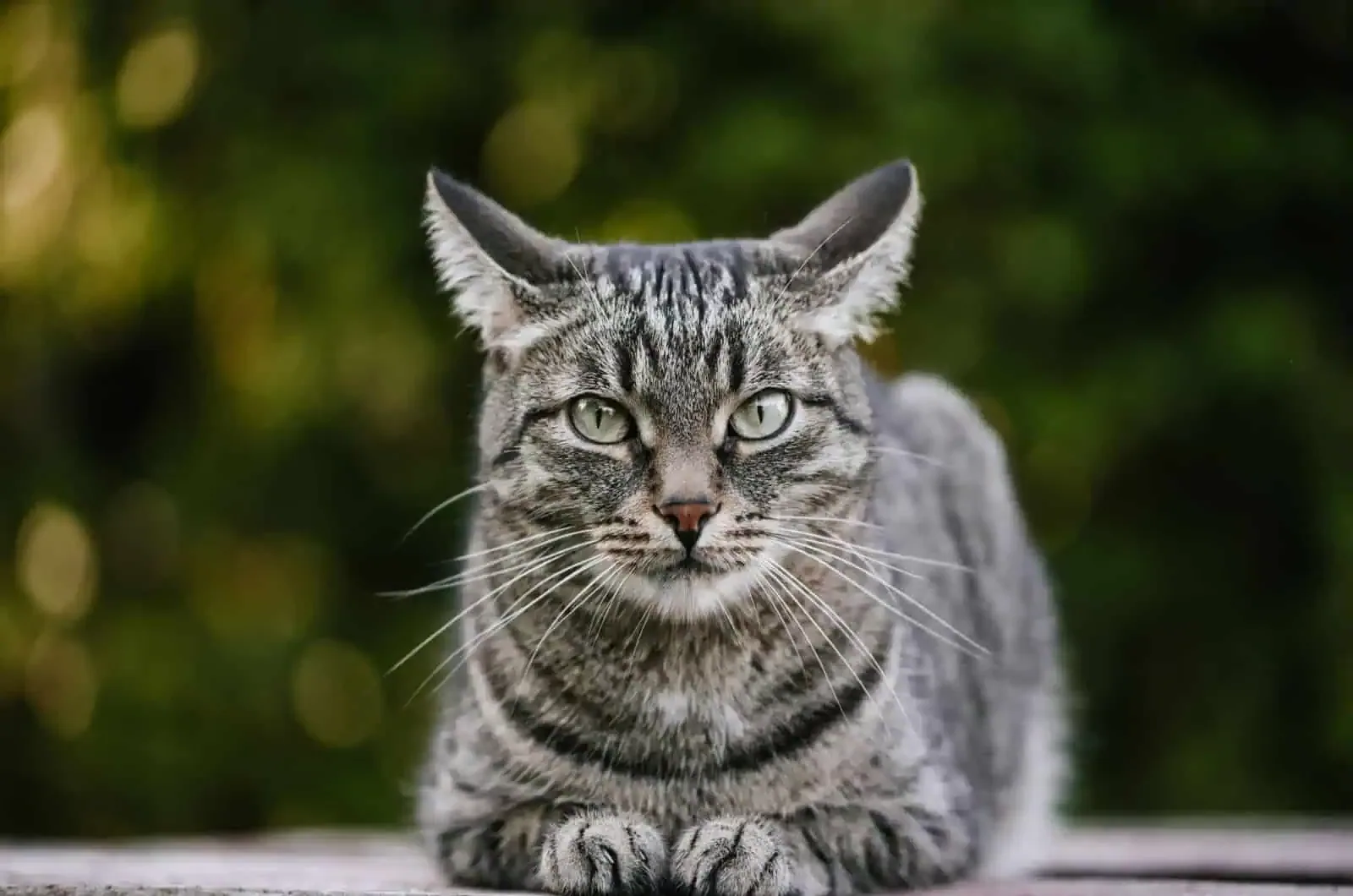
This advantage comes with trade-offs. Cats tend to be better at detecting movement than reading fine detail at distance. Colour vision is present, but it is not the same as a human's. Cats do not experience the full range of colours we do, and they rely heavily on brightness and motion cues in everyday navigation.8
Sensing vibrations and close-range changes
Cats pick up tiny environmental changes through several channels at once: ear position and hearing for distant cues, paw and body contact for ground-borne vibrations, and whiskers for nearby airflow and object edges. When a cat pauses and tests a room, head low and whiskers slightly forward, they are collecting information rather than hesitating out of stubbornness.
How cats use their sense of taste
Cats experience taste differently to humans. Notably, domestic cats lack a functional sweet taste receptor, which helps explain why sugary foods usually hold little interest for them compared with savoury, protein-rich options.9

The tongue's backwards-facing papillae, the rough hooks, matter for grooming as well as eating. Grooming is partly hygiene and partly maintenance: removing loose hair, spreading saliva through the coat, and monitoring the body surface for small changes.
Everyday signs your cat is leaning on one sense more than another

- More sniffing than usual: new objects, visitors, laundry or changes in routine can prompt extra scent-checking.3, 4
- Startles at nothing: there may be a high-frequency or distant sound you cannot hear.5
- Bumps in dim light or new places: cats still use vision, but whiskers and memory do a lot of work up close, and sudden changes to furniture layout can throw them.6, 7
Final thoughts
A cat's world is built from scent trails, high notes, low light and whisker-close geometry. Viewed through that lens, a lot of everyday mysteries become straightforward: the long sniff at a doorway, the sudden freeze at a faint sound, the confident walk in a dark corridor.
If you notice abrupt changes, such as new clumsiness, new sensitivity to sound, reduced appetite, or unusual behaviour around familiar people and places, it is worth discussing with a veterinarian. Sensory shifts can be subtle early signs that something else is going on.
References
- PetMD (2023), What Is the Flehmen Response in Cats?
- Encyclopaedia Britannica, Why do cats open their mouths after smelling something? (Flehmen response and Jacobson's organ)
- RSPCA Australia, The importance of a safe and stimulating environment for cats
- RSPCA Australia, Understanding cat behaviours (including scent communication)
- Costalupes JA (1985), Hearing range of the domestic cat (Hearing Research)
- Cat Protection Society of NSW, Caring for cats with vision impairment
- VCA Animal Hospitals, Why do cats have whiskers?
- Cornell University College of Veterinary Medicine, Feline vision: distinctive features (including tapetum lucidum)
- Nature/PLoS Biology (2005), Pseudogenization of a sweet-receptor gene accounts for cats' indifference toward sugar

Dog lover and writer at My Pets Australia, sharing practical breed guides and care advice for Australian pet owners.