European Shorthair Cat
The European Shorthair, sometimes called simply the European or the Celtic, is a pedigreed breed built to look like the everyday domestic cats of Europe: medium, athletic, quietly robust, and available in a wide range of colours. It is a friendly, intelligent, sturdy cat that tends to settle well into family life and get along with children, dogs and other cats when introduced with care.1 The catch is the name. Most people who go looking for one are really trying to work out whether they are looking at a recognised breed or just a plain short-haired cat from Europe, and that distinction matters when you are comparing breeders or checking whether a rescue cat's label is accurate.
What "European Shorthair" means (and why it gets confusing)
The confusion is the whole story here. In everyday conversation, people use "European Shorthair" to mean any non-pedigree cat from Europe. In cat registries, though, European is a defined breed intended to match the look and balance of Europe's traditional domestic cats: muscular without being cobby, with a straightforward coat and a broad range of natural colours.1
If you are looking at a cat advertised as a European Shorthair, ask whether it is registered with a recognised cat association and whether pedigree papers are available. Without that paperwork, it may simply be a domestic shorthair, which is a wonderful cat, just not the pedigreed breed definition.
History and Origin
FIFe describes the European as a very old breed type that developed from Europe's natural "mouse-hunter" domestic cats, later shaped into a consistent standard while aiming to stay free of obvious influence from other modern breeds.1
FIFe recognised the European in 1949, and later distinguished the Scandinavian type as its own standard rather than judging it alongside British Shorthairs, which had been called "European Shorthair" in some contexts despite looking and breeding quite differently.1
Appearance and Physical Characteristics
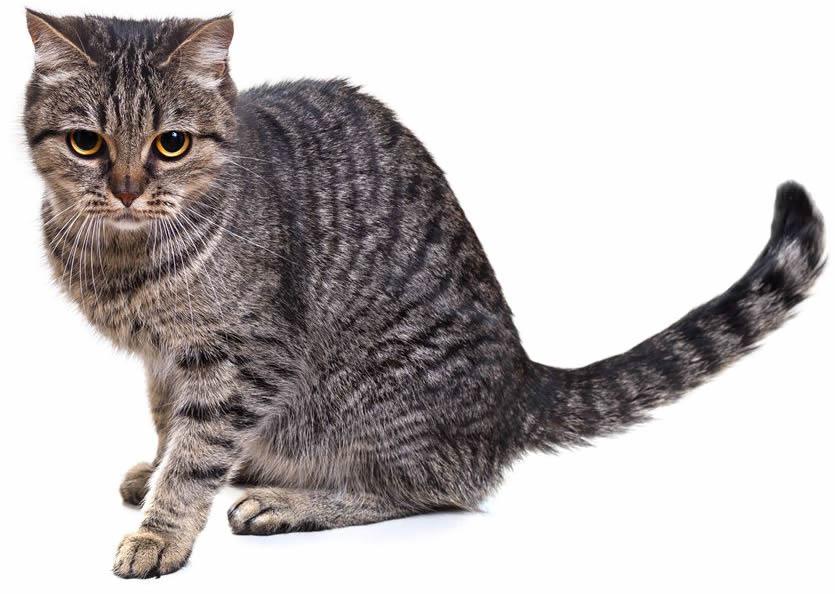
A European Shorthair is a medium-sized, robust, supple cat with an athletic feel. The head is fairly large with well-developed cheeks, the eyes are large and rounded, and the ears are medium with rounded tips. The tail is medium length, thicker at the base, finishing in a rounded tip.1 Most adults weigh in around 5.5 to 6.8 kg, with variation by sex and individual build.2
The coat is short, dense and springy. It looks like a classic cat, but with the balance and consistency you would expect from a written standard rather than a single fashion-driven type.1
Many colours and patterns are recognised, but some registries exclude colours strongly associated with outcrossing to other breeds, for example pointed patterns and certain chocolate or lilac variants. If colour matters to you, check the standard used by the registry your breeder works under.1
Temperament and Personality
Most Europeans are strong, active and friendly with people of all ages. Many tolerate dogs well and get on with other cats, particularly when introduced thoughtfully and given enough space to settle.1
They are intelligent and playful, with a steady interest in movement: watching the yard, tracking insects, and turning ordinary household sounds into reasons to investigate. That does not mean constant zoomies. It is more a quiet readiness to notice things.1
Is a European Shorthair Right for You?
This is an adaptable, low-drama cat that suits most households, which is part of why the breed type has lasted so long. If you can offer a steady routine, daily play, sensible food and routine vet care, a European will generally fit in with calm confidence.
The main thing to be clear-eyed about is the label rather than the animal. If you specifically want the pedigreed breed, be prepared to confirm registration and paperwork, because plenty of cats sold under the name are lovely domestic shorthairs rather than registered Europeans. If the pedigree does not matter to you, a domestic shorthair from a shelter will give you much the same cat.
Training and Exercise
Europeans enjoy play that mimics hunting: short bursts, stalking and pouncing. Keep activity varied and practical:
- Wand toys and chase-and-catch games in short sessions
- Puzzle feeders or scattered kibble feeds to slow eating and add interest3
- Scratching posts and climbing options
- Short, gentle training sessions using rewards (many cats learn simple cues and carrier comfort over time)
Outdoor roaming brings risks: cars, fights, disease, and impacts on wildlife. In Australia, many councils and programs encourage keeping pet cats safe at home through containment and responsible ownership measures.4
Health and Lifespan
The European is generally robust, with an anatomy that is not meant to be extreme.1 With good care, individuals commonly reach the low-to-mid teens, though individual variation is normal.2 Generally healthy does not mean free of health concerns, though. Any cat can develop dental disease, obesity, arthritis, urinary problems, parasites, and age-related conditions.
Practical care that matters for most European Shorthairs:
- Regular vet care: vaccinations as advised, parasite control, dental checks, and early attention to weight gain.
- Body condition monitoring: a cat can be heavy without looking fat, especially with a dense coat and muscular build.
- Daily observation: changes in appetite, litter tray habits, coat condition, or activity are often the first clues something is off.
Grooming and Care
The short coat is usually low-maintenance. A weekly brush helps remove loose hair and gives you a chance to check skin, ears and nails. Increase brushing during seasonal shedding.2
Diet and Nutrition
Aim for complete and balanced cat food appropriate for your cat's life stage. Many cats do well with a mix of wet and dry foods, and including moist food can help support water intake and urinary tract health.3
Keep fresh water available at all times, and adjust portions based on your cat's body condition rather than the packet alone. If you are unsure, a vet can score body condition and help you pick realistic targets.3
A Few Things Worth Knowing
- In TICA, the European Shorthair is listed as a registration-only breed, a status used for breeds that are registered but not necessarily shown in championship classes.2
- Responsible breeding means health screening where relevant, careful matching, early socialisation, and transparent support after the kitten goes home. If a seller cannot tell you which standard they breed to, or cannot provide paperwork, treat the "European Shorthair" label as a description, not a guarantee.
- Desexing helps prevent unwanted litters, can reduce roaming and fighting, and is widely promoted by Australian animal welfare authorities. Female cats can become pregnant surprisingly young, at around 4 months, which is why early-age desexing is often recommended and supported by programs and councils.5
The Bottom Line
The European Shorthair is a picture of the classic domestic cat: medium, capable, adaptable, and quietly affectionate on its own terms. Get the basics right, meaning a steady routine, sensible food, daily play and preventive health care, and most will settle into family life comfortably.1 Just be sure you know whether you are buying the pedigreed breed or a domestic shorthair by another name, because both are good cats and only one comes with papers.
References
- Fédération Internationale Féline (FIFe), European: breed introduction, history, appearance, temperament (standard last modification noted on page)
- PetMD, European Shorthair Cat Breed Health and Care (updated 19 Aug 2024)
- RSPCA Australia Knowledgebase, What should I feed my cat?
- NSW Government, Keeping cats home and wildlife safe (media release, 26 Oct 2025)
- Agriculture Victoria (Animal Welfare Victoria), Early age desexing (page last updated 31 Oct 2025)

Dog lover and writer at My Pets Australia, sharing practical breed guides and care advice for Australian pet owners.