Essential Pet Adoption Tips for Australians: A Guide to Finding Your Perfect Companion
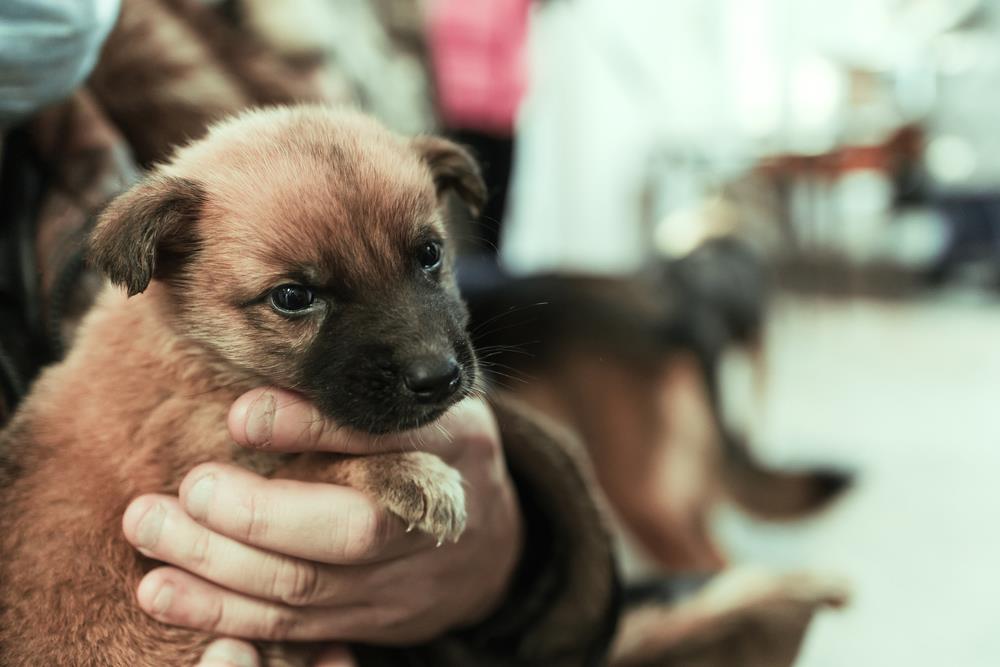
Adopting a pet in Australia is one of the most rewarding ways to bring an animal into your home, and thousands of dogs and cats are waiting in shelters and rescues right now for exactly that. It is also a real commitment, so the work happens before you say yes: matching the animal to your household, checking health and paperwork, and preparing the home so the first week goes smoothly. This guide runs through what to check before you adopt, what to ask at the shelter, and how to bring an animal home in a way that gives them the best chance to settle. The steps are practical and Australian focused, with no drama and no guesswork.
Start with your life as it really is
Adoption works best when the animal fits the household you already have, not the one you hope to become next month. A high drive dog can unravel in a small flat with long workdays, and a timid cat can struggle in a busy home with constant visitors. The aim is a match that feels unremarkable in daily life: easy to feed, easy to exercise, easy to keep safe.
Quick lifestyle check
- Time at home: How long would the pet be alone on an average weekday?
- Noise and movement: Quiet home, or lots of comings and goings?
- Space: Secure yard, shared courtyard, balcony, or strictly indoors?
- Budget: Food, parasite control, council registration (where applicable), grooming, and routine vet care.
- Future changes: Travel, shift work, new baby, moving house, anything likely in the next 12 months.
Choose the animal in front of you, not the label
Breed and species matter, but they do not tell the whole story, especially with rescue animals where the background is sometimes patchy. What you can trust more is what staff and carers have observed over time: how the animal copes with handling, noise, other animals, being left alone, and new spaces. For general care needs and health basics, start with veterinary and animal welfare organisations, then confirm details with your local vet. Be cautious with forums and anecdotal advice, which are helpful for lived experience but unreliable for health decisions.
Picking a shelter or rescue
A solid adoption organisation is usually calm, structured, and mildly nosy. They ask questions because returns are hard on animals, and they are trying to prevent a mismatch. A good rescue will explain what they know, what they do not know, and what support exists after adoption.
Questions worth asking in person
- Health: What vaccinations has the pet had? Any current conditions? Any medications?
- Desexing and microchipping: Is it already done, and what paperwork comes with it?
- Behaviour notes: How do they go with handling, visitors, other dogs and cats, children, car travel, being alone?
- Daily routine: Feeding schedule, toileting habits, exercise needs, preferred enrichment.
- Return policy: If it does not work out, what happens and in what timeframe?
Prepare the home before the animal arrives
New environments are information overload. A pet proofed space reduces the chances of a first week emergency, and it quietly sets boundaries without constant correction.
Pet proofing essentials
- Secure loose cords and block access to tight gaps behind appliances.
- Store cleaning products, medications, and pest baits in closed cupboards.
- Check balconies, fences, and gates. Small gaps matter, especially for anxious cats and small dogs.
- Remove or block access to toxic plants indoors and out. Lilies are particularly dangerous for cats, and cycads and sago palms can be deadly for dogs.7, 8
- Know your local emergency plan: nearest after hours vet, phone numbers saved.
Starter supplies
- Food and water bowls, and the same food they are currently eating for at least the first week.
- A bed or crate for dogs, and a safe hide spot for cats.
- Lead, collar or harness, and ID tag for dogs; carrier and litter tray for cats.
- Enrichment: a few durable toys, a scratching post for cats, chew options for dogs.
Meeting potential pets: watch first, then interact
At the shelter, behaviour can look sharper than normal. Some animals shut down and others bounce off the walls, so give them time to show you their baseline.
What to do during a meet and greet
- Watch quietly before you approach. Look for signs of settling after initial excitement.
- Move slowly, keep your voice low, and let the animal choose distance.
- Ask to meet in a quieter space if possible. Kennels can be overstimulating.
- If you have a resident dog, follow the shelter's introduction process rather than improvising.
Signs the match may work
You are looking for comfort more than chemistry: the animal recovers after brief stress, can take food or respond to gentle attention, and does not escalate into panic or hard guarding. Staff observations across multiple days often matter more than a single visit.
Adoption paperwork and microchips
Most Australian adoptions involve an application, a meet and greet, an adoption agreement, and a fee that often contributes to veterinary work. What matters is leaving with clear records, especially for microchipping and vaccination history.
Do not leave without these basics
- Vaccination record and any existing medical notes.
- Microchip number and written confirmation of how ownership will be transferred and updated.
- Desexing certificate if applicable, or the booking plan if it is scheduled.
Check the microchip is in your name
Rules vary by state, but the practical point is consistent: microchip details need to be current so you can be contacted if your pet is found. In NSW, for example, pets must be microchipped before being sold or given away, and ownership can be transferred through the NSW Pet Registry, either online or via council.1, 2 Also be aware that Australia has had recent disruption with one microchip registry provider, HomeSafeID. If your pet's details were stored there, you may need to re-register with another provider so your information is still visible when the chip is scanned.3, 4
The first days at home
The early aim is not instant confidence, it is predictability. A new pet does best when their world is briefly reduced to the essentials: one safe area, a simple routine, and gentle exposure to the rest of the household.
A calm settling plan
- Set up one primary space (bed, water, food, litter tray for cats) and start there.
- Keep the first week's routine plain: consistent feeding times, short walks, low pressure play.
- Introduce new rooms gradually. For cats, this is especially important.
- With existing pets, manage introductions slowly and under supervision.
Training and socialisation
Training is less about obedience and more about communication: how to settle, where to toilet, how to walk on lead, and how to cope when you leave. Reward based training tends to build clearer behaviour with less fallout from fear, and it is the approach recommended by many veterinary and welfare organisations.10 If you are unsure, a reputable reward based trainer can help you read small early signs such as tension, avoidance, or over arousal before they grow into entrenched problems.
Health and veterinary care
Even if your new pet arrives with a clean bill of health, a baseline check with your local vet is useful. It establishes a record, confirms parasite control, and gives you a chance to ask practical questions while the pet is still new to you. Book that first appointment early rather than waiting for a problem.
Vaccinations: what to expect in Australia
Vaccine schedules depend on age and risk, but Australian guidance commonly describes a puppy or kitten course beginning around 6 to 8 weeks, with follow up doses often at 10 to 12 weeks and 16 weeks. Adults may need boosters based on veterinary advice and the vaccine used.5, 6
Final thoughts
Adoption is a quiet kind of teamwork. The animal brings their history, sometimes tidy and sometimes unknown, and you bring the environment that will shape what happens next. When the match is honest, the home is ready, and the early days are kept gentle, most pets settle in with a steadiness that is easy to miss in the moment and hard to imagine living without later.
References
- Service NSW, Transfer your pet to a new owner (NSW Pet Registry)
- NSW Office of Local Government, Microchipping (NSW Pet Registry)
- ABC News, Microchip data for tens of thousands of Australian pets at risk as company goes dark (HomeSafeID)
- Government of Western Australia (DLGSC), Microchipping (incl. HomeSafeID removal and prescribed databases)
- RSPCA Pet Insurance, Vaccinations for your pet (Australia)
- RSPCA Knowledgebase, What vaccinations should my cat receive?
- Agriculture Victoria, Toxic plants for dogs
- ABC News, 10 common plants that are poisonous to dogs and cats
- Inner West Council (NSW), Dangerous foods and plants (incl. Australian Animal Poisons Centre contact)
- RSPCA Knowledgebase, What is the best way to train my dog?

Dog lover and writer at My Pets Australia, sharing practical breed guides and care advice for Australian pet owners.