Essential Guide to Your Cat's Vet Visit: What to Expect and How to Prepare
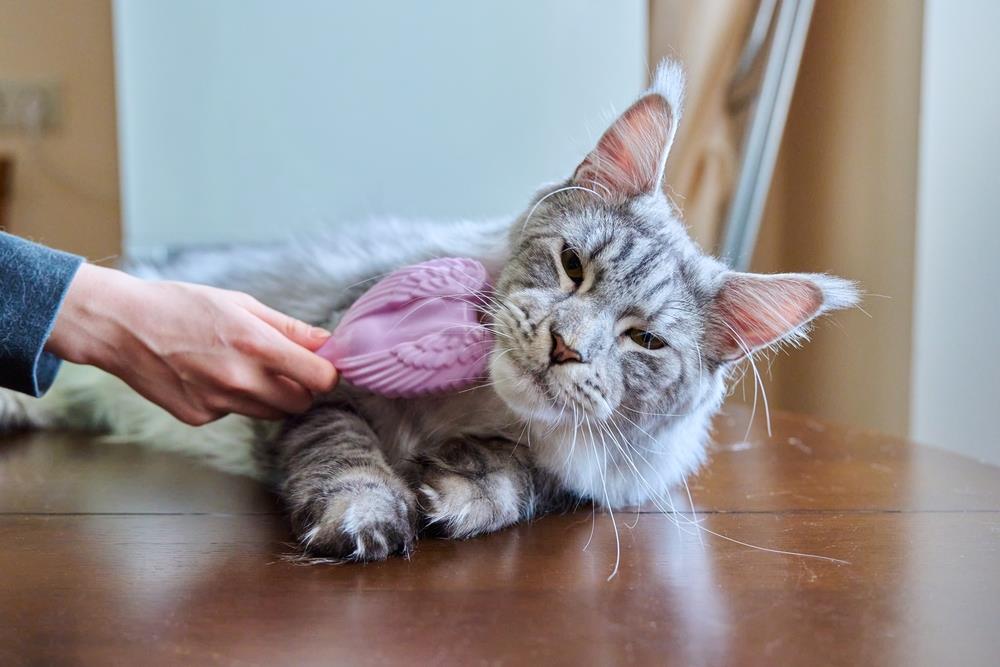
A vet visit is one of the most useful things you can do for a cat, because cats hide illness well and a short appointment can catch a problem long before it becomes obvious at home. Most visits are straightforward: a weigh-in, a nose-to-tail exam, a chat about vaccinations, diet and dental health, and a plan to follow up. The parts that make it go smoothly are knowing what the vet is likely to do, bringing the right information, and getting your cat there with as little stress as possible.5 This guide walks through preparing for the appointment, what happens in the consult room, the routine health checks used in Australia, and how to make the whole thing calmer over time.
Preparing for the vet visit
Good preparation does most of the heavy lifting. Look for a clinic that handles cats gently and routinely, with staff who are comfortable examining a cat in or near its carrier. Cat-friendly handling is not about being soft: a cat that feels safer gives the vet better information, so the exam is more accurate and less rushed.6
Book a time when your cat is usually quiet, often after a meal and a rest, and write your questions down beforehand. Useful notes to bring include:
- Changes in appetite, water intake, weight, vomiting, stools or urination
- Any coughing, sneezing, noisy breathing, or bad breath
- Behaviour changes (hiding more, irritability, less grooming, new night waking)
- Flea, worming and vaccination dates, or the closest estimate
If you have seen another clinic, bring vaccination history and any recent test results. If your cat takes medication or supplements, photograph the labels or bring the boxes. Clear timelines help the vet spot patterns that are hard to see in a single consult.
Getting your cat there safely
The carrier and the car trip set the tone for the whole visit. A sturdy carrier that opens from the top, or has a removable lid, makes handling easier and cuts the struggle at the clinic. Many vets will examine a cat in the bottom half of a carrier once the top is off, which is calmer for the cat and safer for everyone.6
Well before the appointment, leave the carrier out at home with familiar bedding inside so it becomes part of the furniture rather than a sudden warning sign. On the day, a light towel over the carrier reduces visual stress while still allowing good airflow.7 Some cats also respond to synthetic feline facial pheromone sprays used on the carrier or in the consult room, with clinical trials showing reduced stress during transport and veterinary consultations. Ask your vet whether it suits your cat.8, 9
In the car, secure the carrier with a seatbelt or set it on the floor behind the front seat so it cannot slide. Do not let your cat roam loose. Keep the cabin cool and quiet, and allow extra time so you are not rushing.
What to expect during the visit
Most appointments open with a short history: what you have noticed at home, how long it has been going on, and what your cat's daily routine looks like. The vet will usually weigh your cat and may check temperature, heart rate and breathing rate, especially if your cat is unwell.
A routine physical exam commonly includes:
- Eyes, ears and nose
- Mouth and teeth
- Heart and lungs
- Abdomen (feeling for pain, masses, or enlarged organs)
- Skin and coat, including checking for fleas
- Joints and general mobility
If your cat is anxious, the vet may adapt: using towels for support, letting your cat stay in the carrier base, and handling in short, calm steps. This is standard cat-friendly practice, not a sign anything is wrong with your cat.6 Depending on age, symptoms and exam findings, the vet might also recommend blood and urine tests (common for weight loss, increased drinking, vomiting, or senior checks), faecal testing for parasites, blood pressure checks in older cats, or a dental assessment that may include x-rays under anaesthetic for a full evaluation.
Routine health checks and vaccinations in Australia
In Australia, core cat vaccines commonly protect against feline panleukopenia and the cat flu viruses (feline herpesvirus-1 and feline calicivirus). Your vet may refer to this as an F3 vaccination.4, 5 Non-core vaccines are recommended based on lifestyle and exposure risk. A common example is feline leukaemia virus (FeLV) vaccination for cats at ongoing risk of contact with other cats of unknown status. Your vet will weigh your cat's risk against the likely benefit.1
Schedules vary by product and individual risk, but widely used guidelines support:
- Kittens: a series starting around 6 to 9 weeks, with repeat doses every 3 to 4 weeks, and a final kitten dose at 16 weeks of age or later.1
- First adult booster: usually at 12 months after the kitten course.1
- Ongoing boosters: often every 1 to 3 years for core vaccines, depending on the vaccine's registered duration of immunity and your cat's circumstances.5, 4
If you are unsure what your cat has had, bring any records you can find. When history is unknown, vets may recommend restarting a course to ensure protection.5
Behaviour, diet and dental health worth raising
Quiet shifts matter in cats. Hiding more, avoiding jumps, changes in grooming, or new litter tray issues can reflect pain or medical disease as well as stress, so mention anything new even if it seems minor. On diet, ask about an appropriate food for your cat's life stage (kitten, adult, senior), body condition and any medical conditions. If your cat's weight is changing, a clear feeding history (brand, amount, treats, scavenging) helps the vet give practical advice.
Dental disease is common in cats, particularly as they age, and it can be painful even while a cat keeps eating. Studies report a high prevalence in cats over four years old, with problems including gingivitis, periodontitis and tooth resorption.10 Home dental care where tolerated, regular mouth checks, and timely professional treatment can prevent long-running pain and infection. If your cat has bad breath, drools, paws at the mouth, or chews oddly, flag it early.
After the visit: making follow-up simple
Before you leave, make sure you understand the plan:
- What the vet thinks is most likely, and what they are ruling out
- Which signs mean monitor at home versus call us today
- How and when to give medications, and what to do if a dose is missed
- When results will be ready and how you will receive them
In the days afterward, watch appetite, drinking, toileting, breathing effort and general energy. If your cat was vaccinated, mild sleepiness or brief soreness can happen, but vomiting, facial swelling, collapse, or breathing difficulty are urgent and should be treated as an emergency.
Reducing vet-visit anxiety over time
Anxiety usually eases with practice done when nothing is actually happening. Lift the carrier, walk it to the car, and bring it back inside without going anywhere. Done gently, this turns the carrier into a neutral object rather than a predictor of upheaval.7 Cat-friendly handling approaches also recommend allowing cats to remain in the carrier base where possible, using towels for security, and avoiding prolonged restraint, which often leads to a faster, calmer exam with better observations.6
Pheromone products may help some cats during transport or in the consult room, but they are not a cure-all. If your cat becomes highly distressed, ask your vet about a tailored plan, which may include pre-visit medication for safer, kinder handling.8, 9
References
- World Small Animal Veterinary Association (WSAVA) Vaccination Guidelines for Dogs and Cats (feline vaccination tables and booster guidance)
- WSAVA Vaccination Guidelines Group: compiled guidance on feline core vaccines, boosters and optional vaccines
- AAHA/AAFP Feline Vaccination Guidelines: Vaccination principles (series timing and booster concepts)
- Cat Protection Society of NSW: Vaccinations factsheet (Australian context and F3 core vaccines)
- RSPCA Australia Knowledgebase: What vaccinations should my cat receive?
- 2022 AAFP/ISFM Cat Friendly Veterinary Interaction Guidelines: approach and handling techniques
- AAFP/ISFM feline-friendly handling guidelines (carrier training, securing the carrier, covering to reduce visual stress)
- Randomised controlled pilot study: synthetic feline facial pheromone and stress during transport (PubMed)
- Randomised placebo-controlled trial: Feliway spray and stress during veterinary consultations (PubMed)
- Cornell Feline Health Center: Feline dental disease overview and prevalence

Dog lover and writer at My Pets Australia, sharing practical breed guides and care advice for Australian pet owners.