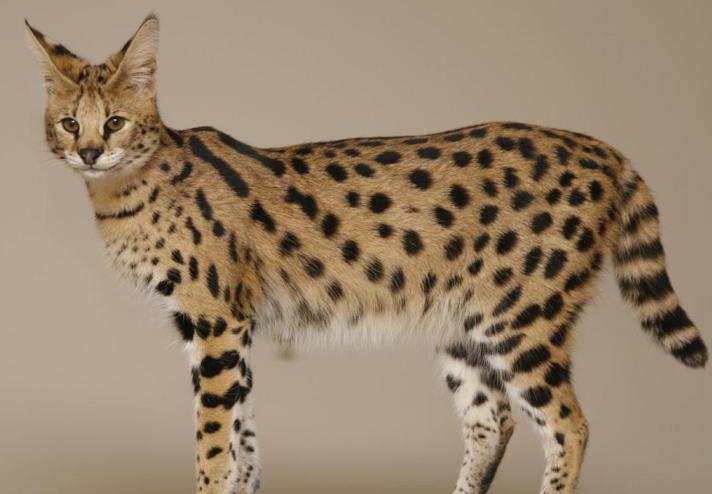
Essential Guide to Cat Ear Health: Tips and Advice for Australian Pet Owners
Cat ears are delicate instruments, and most owners only start paying attention when something changes: head-shaking, scratching, a new smell, or dark wax that looks off. The good news is that a healthy ear is easy to recognise and easy to leave alone, and a quick weekly look is usually all it takes to catch trouble early. The harder part is knowing the difference between a bit of normal wax and an infection, mites, or an allergic flare-up, because the wrong kind of cleaning can make an inflamed ear worse. This guide walks through how to check your cat's ears, spot the common problems and the serious ones, and know when to stop at home and let a vet take over. The aim is simple: clean, comfortable ears and fewer repeat flare-ups.1, 2
What healthy cat ears usually look and smell like
In most cats a healthy ear is pale pink inside, with little or no debris and no strong odour. A small amount of light-coloured wax can be perfectly normal. What tends to stand out is change: more wax than usual, a darker colour, a damp look, or a smell you can notice as you pass by.1
Common ear problems in cats
Otitis externa (outer ear inflammation)
When people say "ear infection" in cats, they usually mean inflammation of the external ear canal, known as otitis externa. It can start with parasites, allergies, a foreign body, or another trigger, and then bacteria or yeast multiply in the irritated, moist canal.1
Common signs include:
- Head shaking
- Scratching or rubbing at the ears
- Redness, swelling, or pain around the ear canal
- Increased discharge and/or a noticeable odour1
Ear mites (Otodectes cynotis)
Ear mites are a common cause of itchy ears, particularly in kittens and in cats that mix closely with other animals. The classic clue is dark, crumbly debris, often described as "coffee grounds", along with persistent scratching and head shaking.6
Allergies (food or environmental)
Allergies can inflame the ear canals and set the scene for repeat infections. When ears flare over and over, or the skin elsewhere also looks itchy or inflamed, allergy becomes more likely and is worth discussing with your vet as part of a longer-term plan.1
Quick home check: what to look for (and what not to do)
A weekly glance is enough for most cats. Pick a calm moment, lift the ear flap, and look and smell. No tools needed.
- Look for: redness, swelling, scabs from scratching, discharge, or heavy wax.
- Smell for: a sour, yeasty, or otherwise new odour.
- Notice: head shaking, ear rubbing, sensitivity when you touch the ear, or a head tilt.1
Do not poke into the ear canal. Cotton buds can push debris deeper and can injure the canal or eardrum, especially if your cat moves suddenly.3
Cleaning cat ears safely (only when it is actually needed)
Not every cat needs routine ear cleaning. Over-cleaning can irritate the canal and make trouble more likely, so if the ears look clean and smell normal, it is usually best to leave them alone.1, 3
What to use
- A veterinarian-recommended ear cleaning solution
- Cotton balls or gauze
- A towel, since cats often shake fluid out at the end3
Simple step-by-step
- Hold the ear flap up to straighten the canal opening.
- Add the recommended amount of ear cleaner, without forcing the nozzle into the ear.
- Gently massage the base of the ear for about 30 seconds.
- Let your cat shake their head.
- Wipe away loosened debris from the inner ear flap and the outer opening with cotton or gauze, only as far as your finger comfortably reaches.3
What to avoid
Skip DIY mixtures and harsh products. Hydrogen peroxide, alcohol, or vinegar solutions can irritate an inflamed canal and make swelling and discharge worse. If the ear is already red, painful, or oozing, it is safer to pause cleaning and book a vet check first.1, 3
When to see a vet (and not wait it out)
Book a veterinary appointment if you notice:
- Redness, swelling, heat, or obvious pain
- Persistent or heavy discharge, especially dark, bloody, or foul-smelling material
- Symptoms lasting more than a day or two, or recurring
- A head tilt, wobbliness, walking in circles, or vomiting, which can suggest middle or inner ear involvement1, 4
Veterinary diagnosis matters because mites, bacteria, yeast, foreign material, allergies, and polyps can look similar from the outside but are treated differently. Your vet may use an otoscope and examine a sample of ear debris under the microscope to confirm the cause before choosing medication.1, 6
Treatment: what commonly happens at the clinic
Treatment depends on the cause, and it often takes a few steps rather than one magic drop.
- Ear mites: prescription parasite treatment, often a topical spot-on or ear medication, sometimes combined with gentle cleaning if debris is heavy.6
- Bacterial or yeast overgrowth: targeted ear drops (antibiotic or antifungal, often with anti-inflammatory medication) and a follow-up to confirm the infection has cleared.1
- Severe pain or a blocked canal: your cat may need sedation or anaesthesia for a safe examination and a thorough clean, known as ear flushing.1
Grooming and breed notes (folded ears, hairy ears, narrow canals)
Ear shape and hair change airflow and how wax and moisture sit in the canal. Cats with folded ears, heavy hair around the ears, or unusually narrow canals may need closer monitoring and earlier vet advice if wax builds up quickly or infections repeat.5, 7
For most cats the best grooming is simply regular observation, keeping any cleaning gentle and occasional rather than routine and vigorous.1, 3
Diet and ear health: a sensible link
Diet does not directly clean ears, but it can matter when allergy is part of the pattern. If ear inflammation keeps returning, especially with itchiness elsewhere, your vet may suggest a structured elimination diet trial or another allergy work-up rather than repeated courses of ear drops alone.1
Small facts worth knowing about cat hearing
Cat ears are built for precision. They can detect much higher-frequency sounds than people can, which is part of what makes even subtle ear pain or a blockage a bigger quality-of-life issue than it first appears.8
The Bottom Line
Healthy cat ears are quiet: pale, dry, and unremarkable. When an ear suddenly becomes smelly, dirty, itchy, or painful, treat it as a clue rather than a cleaning job. Check gently, skip the cotton buds and harsh liquids, and let a vet confirm what is going on when signs persist or look intense.1, 3
References
- Merck Veterinary Manual (Pet Owner Version): Otitis Externa in Cats
- Merck Veterinary Manual (Professional): Otitis Externa in Animals
- VCA Animal Hospitals: Ear Cleaning and Administering Ear Medication in Cats
- VCA Animal Hospitals: Inner Ear Infection (Otitis Interna) in Cats
- PetMD: Cat Ear Infection (Symptoms, Causes, Risk Factors)
- Perth Cat Hospital: Ear Mites (Otodectes cynotis)
- International Cat Care (iCatCare): Ear problems in cats
- Encyclopaedia Britannica: Cat (hearing and senses overview)
- RSPCA Australia: Common cat health problems (general guidance and when to seek veterinary care)

Dog lover and writer at My Pets Australia, sharing practical breed guides and care advice for Australian pet owners.