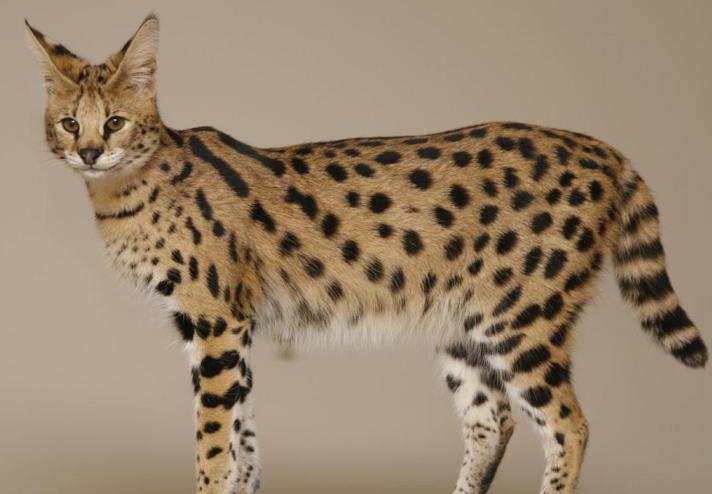
Egyptian Mau
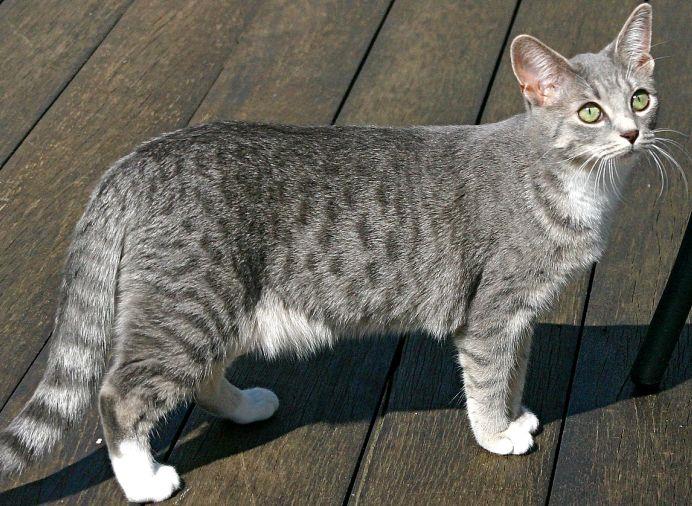
The Egyptian Mau is a naturally spotted domestic cat: athletic, watchful, and easy to admire for the clean pattern scattered across a short-to-medium glossy coat. It is the cat people look up when they are weighing a first pedigree, or when a spotted "street cat" doesn't quite match the real thing. Maus bond closely with their household and are quick, curious and physical by nature. They can also be reserved with strangers and easily startled by sudden noise, so a calm, enriched home suits them best. For the right home that is a fair trade, not a warning.1, 2, 3
At a glance
- Country of origin: Egypt (modern breed development involved Europe and the United States)1, 3
- Also known as: Mau ("mau" is the Egyptian word for cat)1
- Size: Medium; males usually heavier than females (exact weight varies by line and lifestyle)2
- Coat: Short to medium, glossy; recognised colours include silver, bronze and smoke in many registries1, 2
- Exercise needs: Moderate to high, expect climbing, sprinting and curiosity-driven exploration1
- Lifespan: Commonly into the teens with good care1
- Best suited to: Homes that enjoy an active, interactive cat and can provide routine, perches and play1, 2
History and Origin
The Mau is often called "ancient" because spotted cats like it appear in Ancient Egyptian art. The modern pedigreed breed has a shorter, better documented story. Egyptian Maus were imported and established in the United States in the mid-20th century, with formal recognition by cat registries following in later decades.1
Most spotted breeds were built by crossing domestic cats with other lines to force a pattern. The Mau is recognised by major registries as the only naturally spotted domestic cat breed, meaning the spotted pattern arises without deliberate hybridisation to produce it.1, 2
Appearance and Physical Characteristics
The look is clean and alert: medium-sized and muscular without being heavy, with a sleek outline that hints at sudden acceleration. The hind legs are proportionally longer than the front, which gives a slightly "tiptoe" stance when the cat is standing and an efficient shape for quick bursts and high leaps.1, 2
The coat is the headline feature. Spots are scattered in a random pattern rather than neat rows, and the breed carries characteristic facial markings and a distinctive eye set that can read as a "worried" expression. Common registry-recognised colours include:
Temperament and Personality
Living with an Egyptian Mau usually means living with a cat who is present. They form a strong attachment to their household, follow activity from room to room, and prefer interactive play to amusing themselves for long stretches.1, 2
Many are cautious with unfamiliar people and sensitive to sudden loud noise or disruption. Early, gentle social exposure helps, but expect a cat who watches first and approaches second, especially in a busy home or during gatherings.1
Is an Egyptian Mau Right for You?
A Mau rewards a household that actually wants to interact with its cat. If you are home a reasonable amount, you enjoy daily play, and you can give a cat vertical space and a predictable routine, this is a good match. If the home is chaotic, loud or often empty, a sensitive breed like this can find it stressful. They are also relatively rare, so getting one can take patience.1, 2, 7
Care and Housing
Exercise for a Mau is less a scheduled workout and more a steady rhythm of movement through the day. Most do best with:
- Daily interactive play (wand toys, chase-and-pounce games)
- Vertical space (cat trees, sturdy shelves, window perches)
- Puzzle feeders or scatter feeding for mental work1
Outdoor time in Australia: safer options than free roaming
In Australia, roaming cats face cars, dogs and cat fights, and they can harm native wildlife. RSPCA guidance favours keeping cats indoors, or providing secure outdoor access via an enclosure ("catio") or escape-proof fencing, paired with indoor enrichment.4, 5
Leash walking is sometimes possible, especially if introduced early, but it does not suit every cat. The RSPCA notes it generally does not recommend walking cats on a leash because of the risks and stressors in public environments; a secure enclosure is usually the safer compromise.6
Training your Egyptian Mau
Maus are bright, observant cats. Many quickly learn household patterns, and some enjoy clicker training for simple behaviours like coming when called, sitting on a mat, or entering a carrier calmly. Keep sessions short and reward-based, and stop while your cat is still engaged.2
Because they can be sensitive, avoid punishment-based methods. Quiet consistency works better than forcing contact or prolonged handling.
Health and Lifespan
No breed is problem-free, but the Egyptian Mau is generally regarded as healthy, and many live well into their teens with good care. Some breed references note predispositions reported in the population, including urolithiasis (urinary stones), pyruvate kinase deficiency (a hereditary condition), and a form of leukodystrophy described in kittens.1
The practical approach is simple: choose a breeder who health-tests and is transparent about lines, keep routine veterinary checks, and act early if you notice changes in thirst, urination, appetite, mobility or breathing.
Grooming and Care
Despite the dramatic patterning, grooming is straightforward. A weekly brush or comb is usually enough to lift loose hair and keep the coat glossy, with more frequent brushing during seasonal shedding.1, 2 Keep the basics steady:
- Nails: trim regularly
- Ears: check for wax and irritation; clean only if needed and with vet-recommended products
- Teeth: brush with pet toothpaste where possible; dental disease is common in cats generally, so prevention matters1
Diet and Nutrition
Feed a complete and balanced diet appropriate to your cat's life stage (kitten, adult, senior), and adjust portions to hold a lean, athletic condition. Maus can be energetic and food-motivated, so weight creeps up if play drops off and treats rise.2
Finding an Egyptian Mau: breeder vs adoption
Egyptian Maus are considered relatively rare, so finding one can take time, especially if you want a particular colour or a cat suited to showing.7
If you go through a breeder, look for registration with a recognised cat council or association, documented health testing, and kittens raised with careful social handling. If you adopt, you may find a Mau or Mau-mix through rescue, and the staff can often tell you a lot about how the cat behaves in foster care.
The Bottom Line
The Egyptian Mau is built for motion: quiet feet on a hallway runner, a sudden blur to the top of the fridge, then stillness again, watching. For a home that wants an active, interactive cat and can provide routine, perches and play, it is a rewarding companion. It is affectionate with its chosen people and striking without being fragile.
References
- The International Cat Association (TICA), Egyptian Mau breed information
- Cat Fanciers' Association (CFA), Egyptian Mau breed profile
- Governing Council of the Cat Fancy (GCCF), Egyptian Mau
- RSPCA NSW, Keeping cats safe at home
- RSPCA South Australia, Cat confinement tips
- RSPCA Knowledgebase, Should I walk my cat on a leash?
- Wikipedia, Egyptian Mau (overview and registry links)

Dog lover and writer at My Pets Australia, sharing practical breed guides and care advice for Australian pet owners.